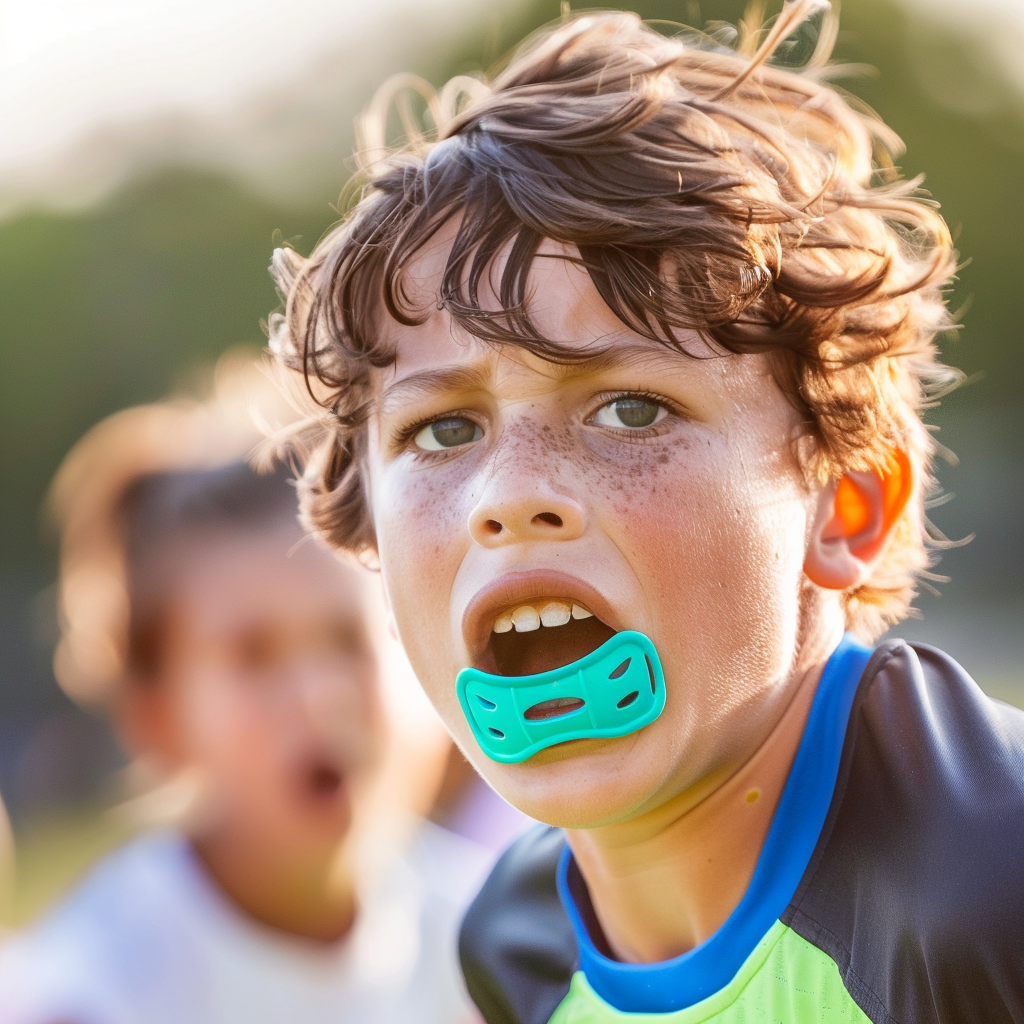
Kids mouthguards for sports protect young athletes from chipped teeth, jaw injuries, and dental trauma. Custom-fit options from a dentist offer the best comfort, safety, and long-term oral health.
This blog will walk you through why mouthguards are essential, the risks of playing without one, the types available, and expert tips on choosing the right solution for your child.
Why Mouthguards Matter in Youth Sports

Every year, thousands of children suffer sports-related dental injuries, from chipped teeth to jaw fractures. According to the American Dental Association (ADA), athletes who don’t wear a mouthguard are 60 times more likely to experience dental trauma.
In contact and non-contact sports alike — football, basketball, soccer, hockey, even gymnastics — the risk is real. A single incident can lead to:
- Chipped or broken teeth
- Lip and tongue lacerations
- Jaw fractures or joint injuries
- Costly orthodontic or restorative care later on
Mouthguards act as a shock absorber, redistributing force and protecting not just teeth but also gums, lips, and the jawbone.
The Hidden Costs of Dental Injuries
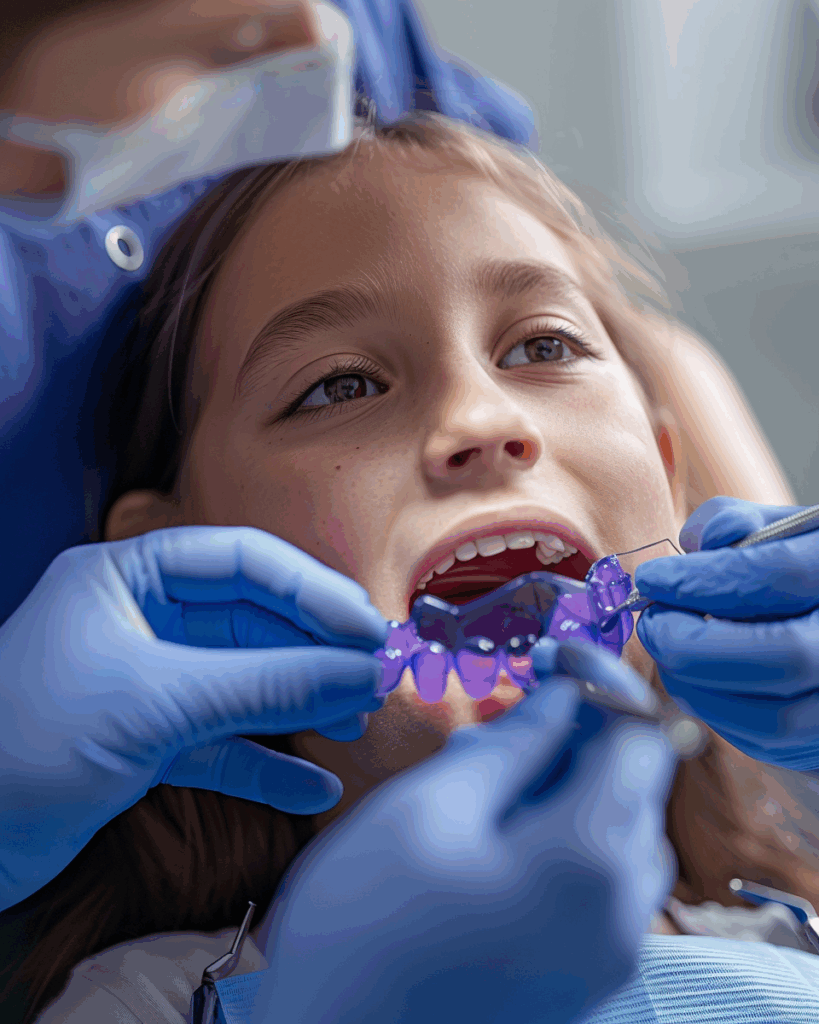
Parents sometimes underestimate the long-term consequences of oral trauma. A broken front tooth, for instance, can require:
- Emergency dental visits
- Root canal therapy
- Cosmetic restorations like crowns or veneers
- Potential orthodontic work to realign the bite
The financial cost can run into thousands of dollars. But beyond the money, there’s also:
- Emotional stress for children who feel self-conscious about their smile
- Time lost from school and sports
- Pain and recovery from repeated dental procedures
A $50–$150 mouthguard could prevent injuries that might cost 10–20 times more to repair.
Types of Kids Mouthguards for Sports
1. Stock Mouthguards
- Pre-formed, ready to wear.
- Inexpensive and widely available in sporting goods stores.
- Downside: Bulky, poor fit, difficult to talk or breathe.
2. Boil-and-Bite Mouthguards
- Made from thermoplastic material; softened in hot water, then shaped around the teeth.
- Better fit than stock guards.
- Popular among parents for affordability.
- Downside: Still not as precise as custom-fitted options; may wear down faster.
3. Custom Mouthguards (Dentist-Made)
- Created from an exact dental impression of your child’s teeth.
- Superior comfort, durability, and protection.
- Designed to allow easy breathing and speaking during play.
- Recommended by the ADA and pediatric dentists as the gold standard for child dental injury prevention.
If you’re considering this route, consult our pediatric dental team in White Plains for custom mouthguard fittings.
Why Custom Mouthguards Are Worth It
Parents often ask if custom guards are worth the extra cost. Here’s why they are:
- Perfect Fit: Prevents slipping or discomfort.
- Better Protection: Distributes force evenly, reducing concussion and jaw injury risk.
- Durability: Lasts longer than store-bought options.
- Encourages Use: Comfortable fit means kids are more likely to wear them consistently.
Think of it like helmets or shin guards: you wouldn’t buy one-size-fits-all protection for the rest of their body, so why compromise on their teeth?
Sports Dentistry for Kids: What Parents Should Know
Sports dentistry is a growing specialty focusing on trauma prevention and oral protection for athletes. Pediatric dentists trained in sports dentistry can:
- Identify which sports pose the highest risks for your child.
- Provide custom-fitted guards tailored to braces or erupting teeth.
- Monitor growth and recommend new guards as kids develop.
This holistic approach ensures safety without compromising comfort or performance.
Actionable Tips for Parents
When Should My Child Start Wearing a Mouthguard?
As soon as your child participates in any organized sport with physical contact — usually around ages 6–7.
How Often Should Mouthguards Be Replaced?
- Every sports season for younger children whose mouths are still growing.
- Immediately if cracked, torn, or loose.
Caring for Mouthguards
- Rinse before and after use.
- Clean weekly with a toothbrush and mild soap.
- Store in a ventilated case.
- Avoid hot water that can warp the material.
Conclusion
Children’s sports should be about fun, teamwork, and growth — not dental emergencies. Investing in kids mouthguards for sports is one of the simplest, most effective ways to protect your child’s smile.
By choosing the right type, ensuring a proper fit, and reinforcing consistent use, parents can prevent costly, painful injuries and give their young athletes the confidence to play their best.
FAQs About Kids Mouthguards For Sports
Why do kids need mouthguards for sports?
Mouthguards protect against chipped teeth, oral trauma, and jaw injuries. They also reduce concussion risks by absorbing shock.
Are custom mouthguards better than store-bought?
Yes. Custom guards from a dentist offer better fit, durability, and comfort, making children more likely to wear them.
What age should my child start wearing a mouthguard?
Around ages 6–7, once kids join organized sports involving contact or risk of falls.
How do I clean my child’s mouthguard?
Rinse after use, brush weekly with mild soap, and store in a ventilated case away from heat.
Can kids with braces wear mouthguards?
Yes. Dentists create special custom mouthguards designed to fit over orthodontic appliances.
