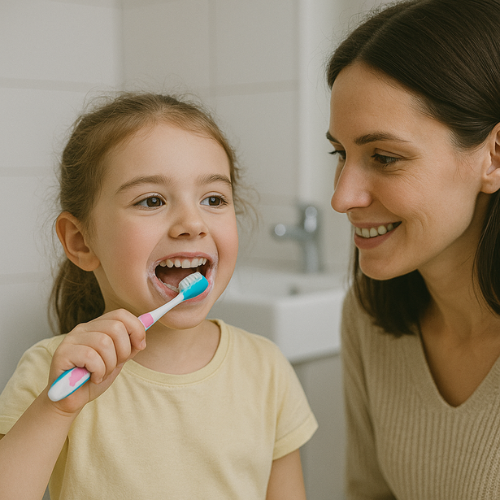
Start early with a consistent routine of brushing twice daily, flossing, and limiting sugary snacks to prevent cavities and ensure long-term dental health.
Why Oral Hygiene for Kids Matters More Than Ever
Oral hygiene isn’t just about avoiding cavities—it’s a key part of your child’s overall well-being. Healthy teeth help kids eat comfortably, speak clearly, and grow up confidently. Starting good habits early creates a foundation that lasts a lifetime.
In White Plains, where proactive healthcare is a priority for many families, home-based dental routines are essential for keeping young smiles healthy between professional visits.
When Should Kids Start Brushing and Flossing?
From Day One. Before the first tooth appears, wipe your baby’s gums with a clean, damp cloth. Once the first tooth erupts, begin brushing with a soft-bristled infant toothbrush and a tiny smear of fluoride toothpaste.
By age 2–3, children can start brushing with supervision. Introduce flossing as soon as two teeth touch. Most kids need help until at least age 7 to ensure thorough cleaning.
Daily Child Brushing Routine: What It Should Look Like
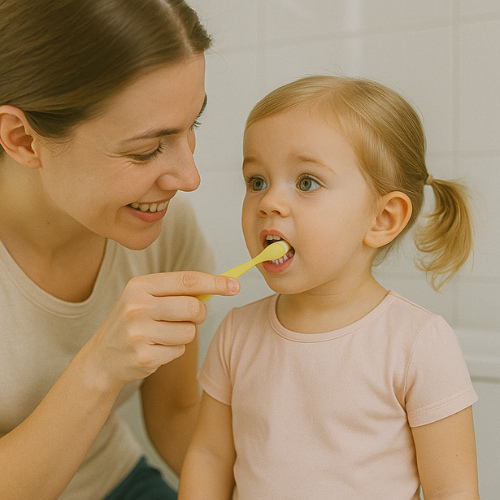
A solid home routine includes:
- Brushing twice a day: Morning and bedtime.
- Fluoride toothpaste: Use a pea-sized amount after age 3.
- Soft-bristled toothbrush: Replace every 3 months or sooner if bristles are frayed.
- Gentle technique: Circular motions along the gumline.
- Timer or music: Make brushing fun and last for two full minutes.
Toddler Teeth Cleaning Tips
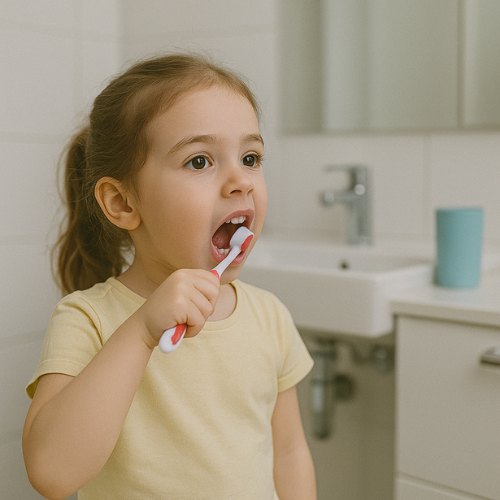
Toddlers can be tricky about brushing, but consistency is key:
- Let them choose their toothbrush color.
- Brush together as a game or mirror activity.
- Use fun brushing apps or sing a 2-minute song.
- If they resist, let them brush a toy’s “teeth” first, then theirs.
White Plains dentists recommend keeping the process light and positive to avoid dental anxiety later.
Kids Flossing Tips and Why It’s Non-Negotiable
Flossing isn’t just for adults. As soon as your child’s teeth touch, flossing should begin:
- Use soft, flexible flossers designed for kids.
- Demonstrate proper technique by flossing your own teeth first.
- Make it part of the bedtime routine—same time every day.
Even baby teeth can decay between surfaces, so flossing is essential to complete oral hygiene.
Nutrition and Its Impact on Oral Hygiene
A balanced diet helps protect your child’s teeth from decay:
- Avoid sticky snacks and juice-heavy diets.
- Offer cheese, crunchy veggies, and whole fruits as tooth-friendly alternatives.
- Water is the best beverage—especially fluoridated tap water in White Plains.
Professional Support: Pairing At-Home Care with Dental Visits
Home hygiene is powerful, but regular professional care ensures you’re on the right track. Schedule visits every six months with a trusted pediatric dentist in White Plains.
They’ll:
- Review brushing technique
- Apply fluoride treatments
- Spot early signs of decay
- Encourage positive dental habits
Choosing the Right Tools for Home Care
What you need:
- Child-size toothbrush with soft bristles
- Fluoride toothpaste approved by the ADA
- Floss picks for kids
- Brushing timer or app
Conclusion
Good oral hygiene starts at home—and it starts now. By teaching your child the value of brushing, flossing, and eating tooth-friendly foods, you’re not just protecting their smile. You’re setting them up for a healthier future.
If you’re in White Plains, don’t hesitate to ask your pediatric dentist for personalized guidance on brushing techniques or product recommendations. And remember: consistency is more important than perfection.
FAQs About Oral Hygiene for Kids in White Plains
What age should I start brushing my child’s teeth?
Begin brushing with a soft toothbrush when the first tooth erupts, usually around 6 months.
How do I know if my child is brushing correctly?
Watch them brush, help guide their hand, and use a mirror or brushing app to improve technique.
Do toddlers need to floss?
Yes—flossing should start as soon as two teeth touch. It prevents decay between tight spaces.
What foods help strengthen kids’ teeth?
Cheese, leafy greens, yogurt, and crunchy fruits like apples help clean teeth and support enamel.
Is fluoride safe for young children?
Yes—when used in the right amount. A smear for babies and a pea-sized amount for kids 3+ is safe and effective.
