
Tooth decay treatment for toddlers includes early detection, fluoride therapy, and gentle restorations to protect baby teeth and prevent further damage.
This blog will walk you through the early warning signs of toddler cavities, treatment options, prevention tips, and what parents can do to protect their child’s smile from decay.
What This Means
Cavities aren’t the only thing that may happen to toddlers’ teeth. It’s also important to protect their future smiles. This book has everything parents need to know, from how to spot the first signs to treatment options backed by experts in pediatric dentistry.
Understanding Toddler Tooth Decay

What Is Early Childhood Caries (ECC)?
- Definition: ECC is a severe form of tooth decay affecting children under age 6.
- LSI keywords: early childhood caries, decay progression
Causes of Tooth Decay in Toddlers
- Frequent exposure to sugary drinks (especially in bottles or sippy cups)
- Poor brushing habits or lack of fluoride
- High levels of cariogenic bacteria from caregiver saliva transfer
The Role of Sugar and Bacteria
- Cariogenic bacteria thrive on sugar, producing acid that erodes enamel.
- Night-time feedings without brushing increase decay risk.
Recognizing the Warning Signs
Common Symptoms of Tooth Decay in Toddlers
- White chalky spots near the gumline (early stage)
- Brown or black spots on molars
- Bad breath
- Fussiness during meals or brushing
How Decay Progresses If Untreated
- Enamel erosion → Dentin exposure → Pain and infection
- Severe decay can lead to abscesses or premature tooth loss
What to Expect During a Pediatric Dental Exam
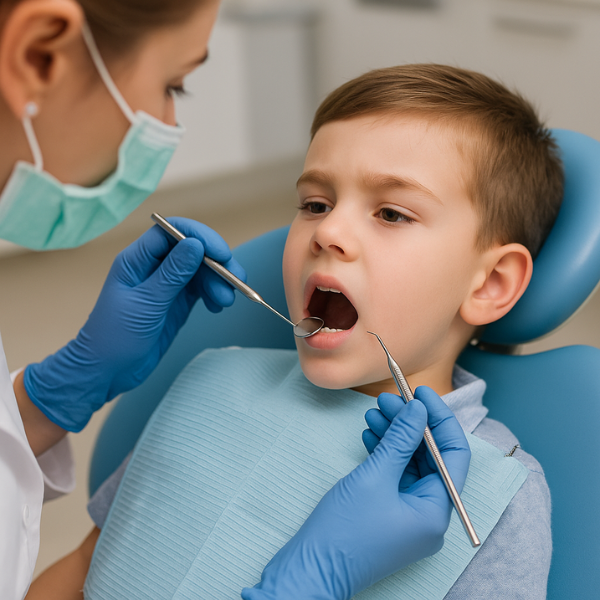
Initial Consultation
- Review of child’s oral habits and feeding behaviors
- Visual inspection and possible digital x-rays (low-radiation)
Pediatric Diagnostic Tools
- Bitewing x-rays: Check between teeth
- Digital imaging: Minimizes exposure while enhancing accuracy
Treatment Options for Toddler Tooth Decay
Non-Invasive Options
- Fluoride varnish: Strengthens enamel in early-stage decay
- Silver Diamine Fluoride (SDF): Stops decay progression without drilling
Minimally Invasive Techniques
- ICON resin infiltration: Penetrates and seals early lesions
- Sealants: Barrier for molars to prevent decay
When Fillings Are Necessary
- For advanced decay in baby molars
- Materials: composite resin (tooth-colored) or glass ionomer
Real-World Application Example
- A toddler with molar cavities may receive SDF and return for monitoring every 6 months instead of drilling.
Preventing Future Tooth Decay
Oral Hygiene Tips for Parents
- Begin brushing with a grain-sized fluoride toothpaste at first tooth eruption
- Floss as soon as two teeth touch
Diet Tips to Reduce Sugar Exposure
- Limit juice, sticky snacks, and frequent grazing
- Encourage water and whole fruits
Regular Dental Visits
- Bi-annual pediatric dental checkups
- Reinforce brushing technique and spot early signs
Conclusion
Tooth decay in toddlers is preventable, but early detection is crucial. By recognizing symptoms and exploring gentle, child-friendly treatments, parents can protect their child’s dental future. Don’t wait—take the first step toward lasting oral health today.
FAQs About Tooth Decay Treatment for Toddlers
What is the best tooth decay treatment for toddlers?
Fluoride varnish or Silver Diamine Fluoride (SDF) is often effective for early decay. In advanced cases, fillings may be needed.
Is it safe to treat baby teeth with fillings?
Yes. Treating baby teeth preserves spacing for adult teeth and prevents pain or infection.
Can toddler cavities be reversed?
Early-stage decay (white spots) may be reversed with fluoride, improved hygiene, and diet changes.
How do I know if my toddler needs a dental x-ray?
If decay is suspected between teeth or near the gumline, pediatric dentists may recommend low-radiation bitewing x-rays.
What age should toddlers start seeing a dentist?
The American Dental Association recommends the first dental visit by age 1 or within 6 months of the first tooth.
