
Tooth decay is a persistent problem in children. Its prevalence is especially high at around ages 6 and 12 when permanent molars start to come in – by which time deep grooves and cracks trap food and bacteria before even a perfect brushing has a chance to clear them out. If left unchecked, what starts as a tiny scratch in the enamel can soon turn into a full-blown cavity requiring drilling or fillings.
That’s why pediatric dental care focuses on strategies that keep enamel in tip-top shape and prevent early-onset decay. At the heart of this are two key players: sealants, which act as a protective shield over vulnerable chewing surfaces; and fluoride, which toughens and remineralises enamel across the board.
What are Dental Sealants & Why They Work
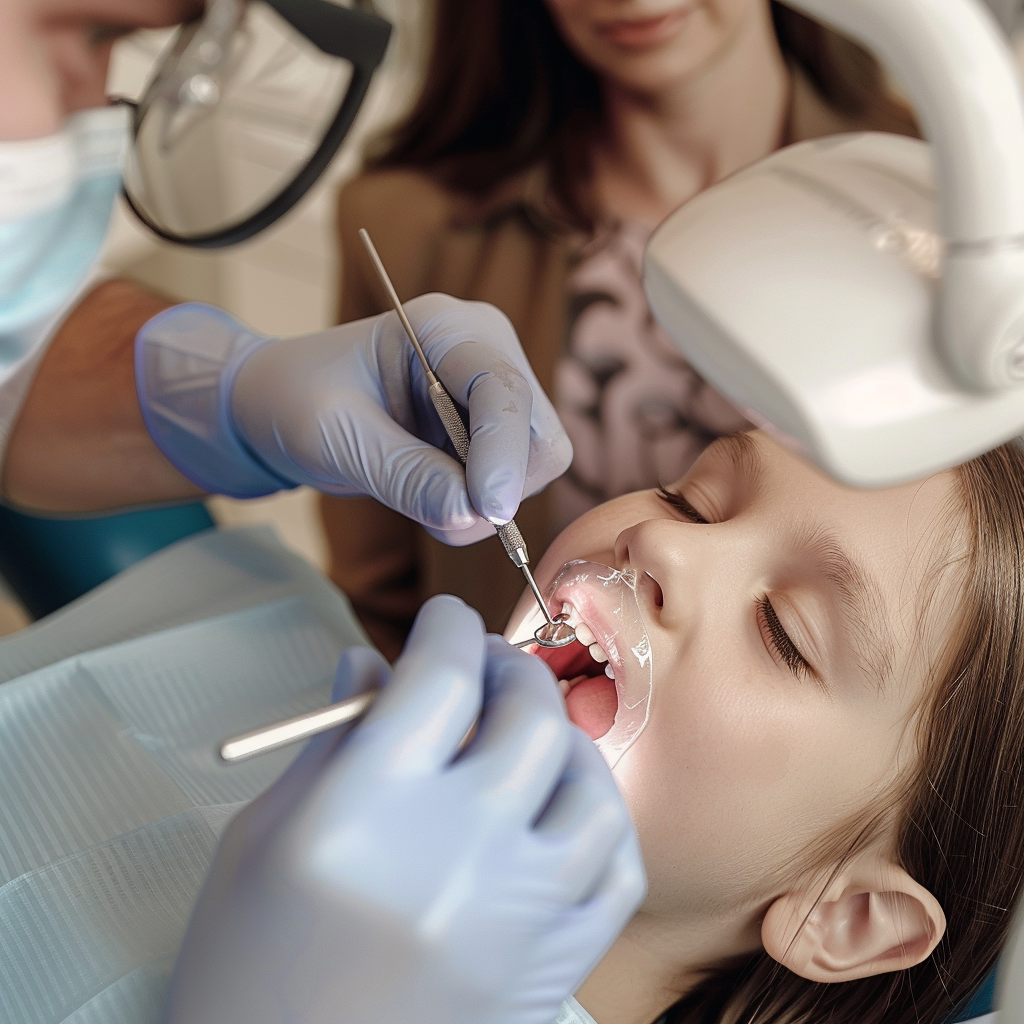
What are Sealants – A Protective Barrier For Your Teeth
Sealants are thin layers of plastic or resin that are painted directly onto the chewing surfaces of molars and premolars. The film pours into the natural crevices that toothbrush bristles just can’t reach, then hardens to a smooth, protective barrier.
How Sealants Stop Decay
Once applied, sealants stop food and bacteria particles from getting stuck in deep grooves. According to the CDC, sealants can prevent up to 80% of tooth decay in molars over the course of two years. The ADA and AAPD have also come out in favour of sealants based on study results – they’re effective at both stopping new cavities in their tracks and at arresting very early-stage (non-cavitated) lesions.
Perks of Sealants
- A quick, painless & non-invasive process that gets the job done.
- They last for years with minimal maintenance needed.
- Highly effective at preventing molars, where most cavities in children are found.
Limitations of Sealants
- They just protect the chewing surfaces of molars/premolars, so other areas of your teeth remain vulnerable.
- Sealants do eventually wear, chip, or come loose – so regular check-ups are needed to repair or reapply as needed.
- Sealants only get applied to a selection of teeth, not the whole mouth, so they’re a targeted treatment rather than an all-around fix.
Who Benefits Most from Sealants
Sealants are especially recommended for:
- As soon as your permanent molars come in (usually around age six for first molars, and then age 12 for second molars).
- Kids with deep crevices, mismatched chewing surfaces or a history of cavities in the molars.
- Even those at high risk with baby molars that have deep grooves, though it’s the adult teeth that remain the main target.
What Are Fluoride Treatments And What Do They Do
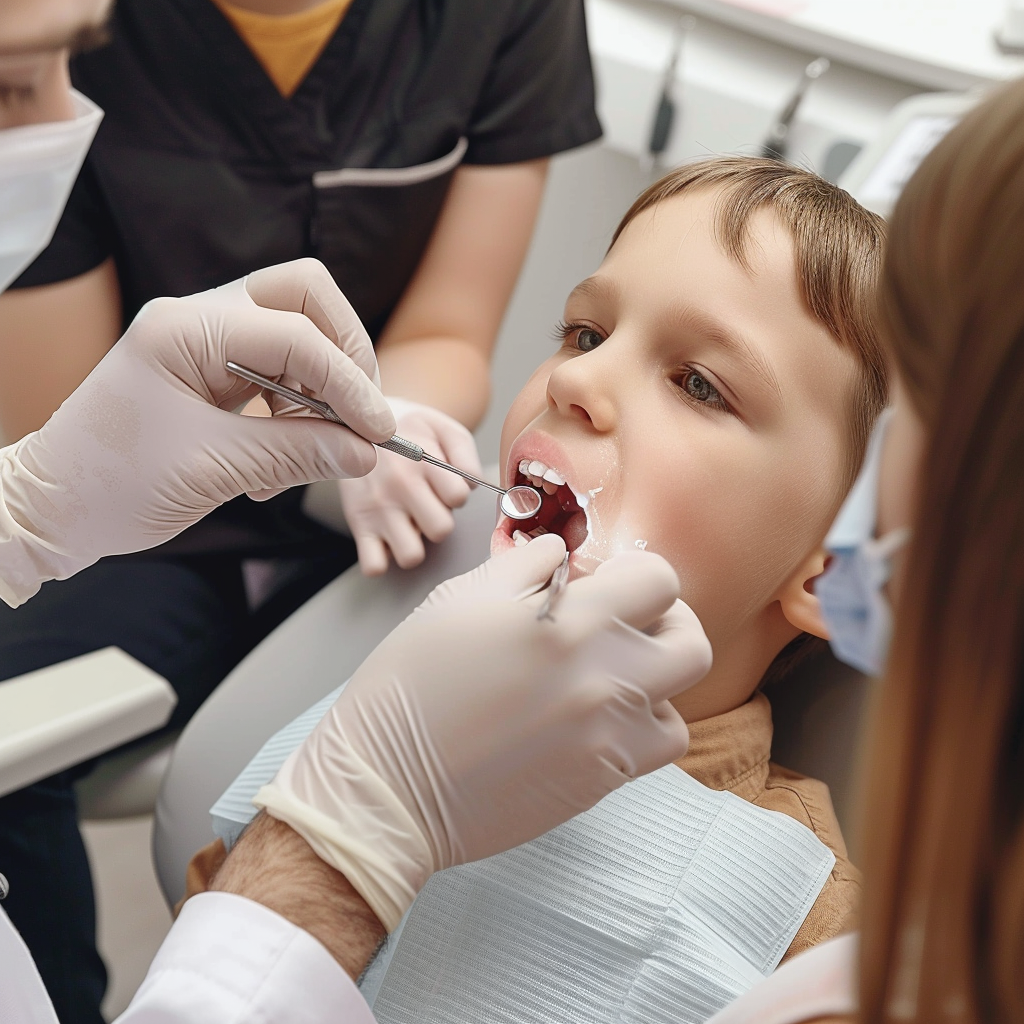
Definition: Fluoride for Enamel Strength
Fluoride is a naturally occurring mineral that strengthens tooth enamel and helps remineralize early decay before cavities form. In pediatric dentistry, fluoride can be applied professionally as varnish, gel, or foam, or supplied systemically if water or diet is fluoride-deficient.
How Fluoride Protects Teeth
Topical fluoride (e.g., varnish) promotes the uptake of calcium and phosphate in enamel, reinforcing its structure and making it more resistant to acid attacks from bacteria. This helps slow or reverse early enamel demineralization. Unlike sealants, which protect only molar chewing surfaces, fluoride works on all tooth surfaces, including smooth surfaces, between teeth, and exposed enamel on any erupted teeth.
Benefits of Fluoride Treatments
- Coverage across the full mouth is useful for general enamel strengthening.
- Able to remineralize early enamel lesions before they turn into cavities.
- Cost-effective, quick, and often covered by insurance or public health systems. For children at average risk, fluoride varnish every 6 months is usually sufficient; for high-risk children, every 3–6 months might be recommended.
- Safe and widely endorsed: AAPD states fluoride use is a core preventive tool for infants, children, and adolescents.
Limitations of Fluoride Treatments
- Effects are transient: varnish or gel must be reapplied regularly to maintain protection.
- Fluoride works less effectively deep in fissures — these are the same areas where toothbrush bristles struggle and where sealants shine.
- Risk of overexposure (e.g., dental fluorosis) exists if fluoride is excessive, especially in young children, so dosage and frequency should follow professional guidance.
When Fluoride Is Especially Recommended
- From the moment the first teeth erupt (infancy) up through adolescence, especially in communities with low-fluoride water or high sugar consumption.
- For children with a history of enamel demineralization, frequent snacking on sugary foods, or limited access to dental care, where regular brushing may be inconsistent.
Sealants vs Fluoride – A Direct Comparison
What Research and Professional Organizations Say
- The AAPD and ADA jointly recommend sealants on occlusal surfaces of primary and permanent molars in children and adolescents, highlighting their effectiveness in preventing and arresting early-stage lesions, even compared with fluoride varnish alone.
- The CDC reports that children without sealants are nearly three times more likely to have molar cavities compared with children who have them.
- For fluoride: the AAPD’s “Policy on Use of Fluoride” confirms that optimized fluoride exposure (through professional varnish, water fluoridation, or prescribed supplementation) remains a cornerstone for caries prevention, remineralization, and enamel strengthening across all erupted teeth.
- A systematic review found that professionally applied fluoride varnish can significantly reduce cavity incidence in primary and permanent teeth — especially when applied every 3–6 months, depending on risk level.
Why Many Dentists Recommend Combining Fluoride + Sealants
Because each method protects teeth in different ways, combining them often yields the best results:
- Sealants neutralize risk on molars and premolars where deep grooves are the main problem.
- Fluoride strengthens enamel everywhere else, smooth surfaces, sides of teeth, and between teeth, and helps repair early demineralization.
This dual approach forms a comprehensive shield, especially in childhood when oral hygiene habits are still developing.
Real-world pediatric dental care commonly treats fluoride varnish and sealants as complementary tools.
How to Choose: What Parents Should Consider
- Child’s age and stage of tooth eruption
- For new permanent molars (≈ age 6 or 12), strongly consider sealants.
- Fluoride can and should begin at the first tooth eruption and continue through adolescence.
- For new permanent molars (≈ age 6 or 12), strongly consider sealants.
- Cavity risk history, diet, and hand hygiene habits
- Frequent sweets or poor brushing → fluoride for full-mouth enamel protection + sealants for molars.
- Deep fissures in molars, prior molar cavities → sealants prioritized as soon as teeth erupt.
- Frequent sweets or poor brushing → fluoride for full-mouth enamel protection + sealants for molars.
- Access, budget, and frequency of professional care
- Sealants are a one-time (per tooth) investment lasting years; they are good for parents wanting durable protection.
- Fluoride requires periodic reapplication, but costs per visit tend to be lower.
- Sealants are a one-time (per tooth) investment lasting years; they are good for parents wanting durable protection.
- Behavior and hygiene habits at home
- If a child struggles to brush molars thoroughly, sealants help block risky surfaces.
- Daily brushing with age-appropriate fluoridated toothpaste + regular dental check-ups remain essential regardless of sealants or fluoride.
- If a child struggles to brush molars thoroughly, sealants help block risky surfaces.
- Professional advice from your pediatric dentist
Conclusion
Fluoride and sealants are not rivals; they are complementary tools in the battle against childhood cavities. Sealants provide a durable shield for molars and premolars, while fluoride treatments reinforce enamel across the whole mouth and support remineralization. For most children, especially those with high cavity risk, a combined approach delivers the strongest protection. Talk to your pediatric dentist to build a prevention plan tailored to your child’s age, teeth, and lifestyle.
By pairing sealants, fluoride, good dental hygiene, and regular checkups, you give your child the best foundation for lifelong oral health.
If you’re unsure which treatment your child needs next, schedule a visit with our pediatric dental team so we can walk you through the best options for their smile.
FAQ About Fluoride vs Sealants
Q: At what age should my child get dental sealants?
Permanent first molars usually appear around age 6, and second molars around 12. Sealants are most beneficial when applied soon after these teeth erupt.
Q: How often should fluoride varnish be applied?
For most children, a fluoride varnish every 6 months is sufficient. For children at higher risk of cavities, every 3–6 months may be advised.
Q: Can sealants replace fluoride treatments?
No. Sealants only protect the chewing surfaces of molars and premolars. Fluoride strengthens enamel on all teeth. Together, they offer more comprehensive protection.
Q: Are sealants and fluoride safe for kids?
Yes. When applied professionally and at appropriate intervals, both are safe. The guidelines from AAPD and ADA support their use as standard preventive care.
Q: What if my child already has cavities?
Sealants cannot restore decayed enamel they prevent new decay. Fluoride can help remineralize early (non-cavitated) enamel weakening, but existing cavities may need restorative treatment. Ask your dentist for a full evaluation.
