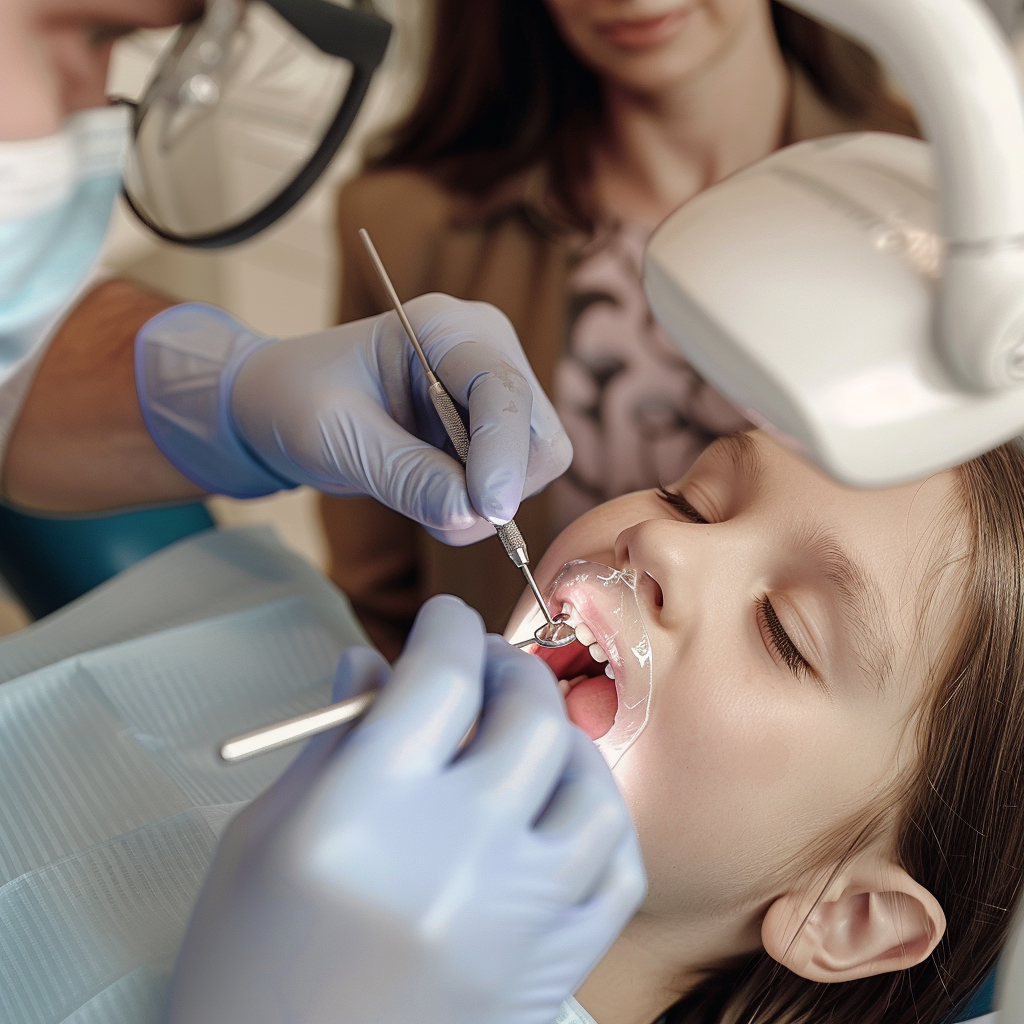
Your child’s first dental cleaning is a big milestone. It introduces them to gentle care, new tools, and a friendly dental team. This blog will walk you through what happens during a child’s first dental cleaning, how pediatric dentists keep kids comfortable, and what parents can do before and after the visit to set their child up for success. Early positive experiences also connect directly to your broader preventative dentistry plan as a family.
Why the First Cleaning Appointment Matters So Much

Parents often ask if the first visit is “just a look” or a full cleaning. In pediatric dentistry, that first cleaning is less about scraping every speck of plaque and more about shaping how a child feels about the dentist.
A good first experience:
- Introduces the sights, sounds, and gentle dental tools in a calm way
- Builds trust between your child and the dental team
- Gives parents practical guidance they can use at home
For many families, this visit builds on what they may have read in guides like Baby Teeth Care: Why Early Attention Matters, which explains how early habits influence speech, nutrition, and jaw development.
How Pediatric Dentists Prepare Your Child for the Visit

Explaining Everything in Kid-Friendly Language
Most children are not afraid of the dentist itself. They are wary of new experiences. That is why pediatric teams spend time describing things in child-friendly terms before they begin. A small mirror might be called a “tooth counter,” and the overhead light a “sun for your smile.”
This is part of behavior guidance, a structured approach that includes clear communication, positive imagery, and praise. The American Academy of Pediatric Dentistry describes methods like “tell show do,” distraction, and positive reinforcement as core tools for guiding children through care in a safe, respectful way.
Tell–Show–Do for Gentle Dental Tools
Tell–Show–Do is simple but powerful:
- The dentist or hygienist tells your child what a tool does in simple language
- They show how it works, often on a finger or a toy
- They do the same action gently on the child’s teeth
This approach might look like letting your child feel the tickle of the spinning brush on their fingernail first. It is also exactly what you see described in your own content, such as Pediatric Dental Checkup White Plains – Why It Matters, where cleanings, fluoride, and growth checks are woven into a calm, predictable visit.
What Happens Before the Actual Cleaning Starts
Check In and Conversation With Parents
The appointment typically starts with a short conversation. The team will ask about:
- Brushing routines and who helps
- Fluoride toothpaste use
- Thumb sucking or pacifier habits
- Past medical or dental experiences
This gives the dentist a picture of your child’s risk for cavities and helps them tailor the visit.
A Gentle First Look at Teeth and Gums
Before any tools touch the teeth, the dentist looks at:
- How many teeth have come in
- Whether there are early chalky white spots or stains
- Gum health and any areas of irritation
- How the upper and lower teeth meet
If your child is very young, this may be done with your child on your lap in a “knee to knee” position so they feel secure.
Step by Step: What Actually Happens During Your Child’s First Dental Cleaning
1. Removing Soft Plaque
The hygienist starts by gently cleaning away soft plaque on the teeth. Depending on age and comfort level, they may use:
- A small hand instrument
- A child-sized rotating brush with paste
In many cases, the goal for a first cleaning is not an aggressive deep clean but a careful introduction that lays the groundwork for future visits.
2. Polishing the Teeth
Next comes polishing. A flavored paste and soft, spinning cup polish each tooth surface. Children often say it feels “tickly” rather than painful. This step removes stains and smooths the enamel so plaque does not stick as easily.
3. Flossing Between the Teeth
Flossing during a first cleaning serves two purposes:
- Removing plaque between teeth that are touching
- Demonstrating technique for parents and kids
Many children see floss for the first time at this visit. The hygienist will often show parents how to angle floss or floss picks around tiny teeth without hurting the gums.
4. Fluoride for Enamel Strength
If your child is old enough and needs the protection then, depending on the circumstances, they might get a fluoride varnish or gel – this makes enamel a lot more resistant to the acids that come from the bacteria in your mouth and the food you eat.
5. Final Exam by the Pediatric Dentist
After the cleaning, the dentist returns to:
- Check every tooth for early cavities
- Look for crowding or spacing concerns
- Review gum health and bite
- Answer parent questions
How Pediatric Dentists Keep Kids Comfortable
Positive Reinforcement and Clear Choices
Instead of pushing a child through the appointment, pediatric dentists use:
- Praise for small steps like “great job opening.”
- Choices such as “mint or bubblegum flavor.”
- Simple countdowns so nothing feels endless
This creates a sense of control for the child, which reduces anxiety.
Comfort Positioning and Parent Presence
For anxious children or very young kids, the dentist may:
- Invite the parent to stay chairside
- Use lap-to-lap positioning for babies
- Adjust the chair slowly while explaining each movement
Research on pediatric dental behavior confirms that parental presence and predictable routines improve cooperation and reduce fear when used with clear communication and gentle guidance.
What Parents Can Do Before the Appointment
Talk About the Visit in a Calm, Simple Way
You do not need a long script. A simple “The dentist helps keep your teeth strong and shiny. We will go together and they will count your teeth and clean them” is enough. Avoid using words like “shot” or “hurt” even if your child asks about them.
Practice at Home
Turn practice into play:
- Take turns opening wide and “counting” teeth with a toothbrush
- Read storybooks about visiting the dentist
- Let your child pretend to be the dentist for a stuffed animal
Choose the Right Time of Day
Schedule the appointment for a time when your child is usually well rested and fed. For many toddlers and preschoolers, this is mid-morning, not late afternoon.
What Happens After the Cleaning
Review of Findings and Guidance
Before you leave, the dentist or hygienist will:
- Point out any areas where plaque tends to build up
- Explain any early signs of enamel weakness
- Give specific tips based on your child’s age and habits
Setting the Next Visit
Most children are scheduled every six months. Some may come more often if they have a higher cavity risk. Framing this as “part of your new routine” rather than a one-time event helps children see the dentist as a regular part of life.
How This First Cleaning Fits Into Long-Term Oral Health
A child’s first dental cleaning is not just about that day’s plaque removal. It is a key piece of a larger picture that includes:
- Early checkups by age one
- Regular visits through childhood
- Consistent brushing and flossing at home
- Smart use of fluoride and sealants
Conclusion
Your child’s first dental cleaning appointment should feel calm, friendly, and predictable. A skilled pediatric team uses gentle tools, clear explanations, and behavior-focused techniques so children feel safe while their teeth are cleaned and checked. With the right preparation at home and a prevention-minded dental office, that first visit becomes the start of a positive, long-term relationship with oral health rather than something to fear.
Ready to Make Your Child’s First Visit a Positive Experience?
If your little one is approaching their first dental checkup or you’re looking for a pediatric team that knows how to earn a child’s trust, we’re here to help.
FAQs About a Child’s First Dental Cleaning
What age should my child have their first dental cleaning?
Most pediatric dentists recommend a first visit by age one or within six months of the first tooth. At that early visit, the cleaning is gentle and brief, and the focus is on parent education and monitoring development.
Will my child get a full cleaning at the first appointment?
Yes, in most cases, there is a gentle cleaning that includes plaque removal, polishing, and sometimes fluoride. The depth of cleaning is tailored to your child’s age, comfort level, and how much buildup is present.
How long does a child’s first dental cleaning visit take?
A typical first visit lasts around thirty minutes. That time includes check in, a short exam, cleaning, fluoride if needed, and time for you to ask questions about habits and home care.
Can I stay with my child during the cleaning?
Most pediatric dental offices encourage parents to stay in the room, especially for a first visit. Your presence helps your child feel secure while the dentist builds an independent relationship with them.
What if my child cries or refuses to open their mouth?
Crying or resistance is common on first visits. Pediatric dentists use behavior guidance techniques, short breaks, and lots of reassurance to help children feel safe. If needed, they may shorten the visit and build up slowly at the next appointment.
