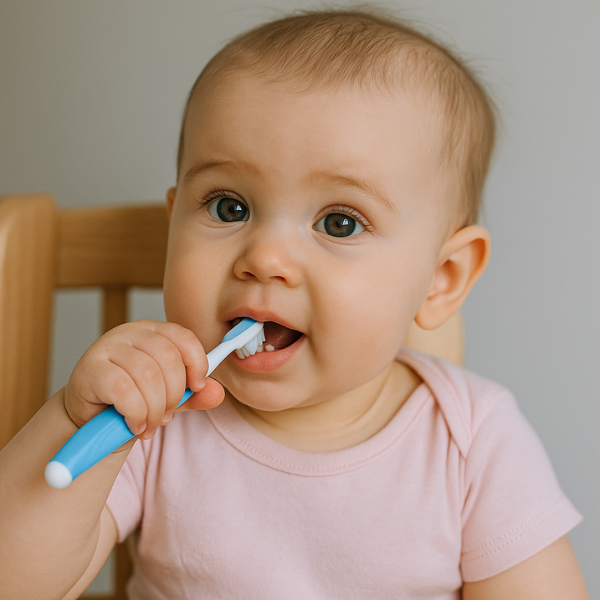
Baby teeth are very important for speech, nutrition, and the growth of the jaw. Taking care of them now will help you have good dental health for the rest of your life.
This blog will explain why infant teeth are important, how to take care of them properly, and how to avoid long-term dental problems by starting good habits early.
Why Baby Teeth Are More Than Temporary Placeholders

The Role of Baby Teeth in Child Development
- Aid in clear speech formation
- Maintain space for adult teeth
- Help in proper chewing and nutrition
What This Means
Neglecting baby teeth can lead to issues like speech delays, poor eating habits, and misaligned adult teeth.
When Baby Teeth Erupt: Understanding the Timeline
Baby Tooth Eruption Schedule (0–2 Years)
- 6 months: Lower central incisors appear
- 8–12 months: Upper central and lateral incisors erupt
- 12–20 months: Molars begin to appear
- 20–30 months: Full set of 20 baby teeth
Baby Teeth Care 101: Brushing, Cleaning, and Daily Routines
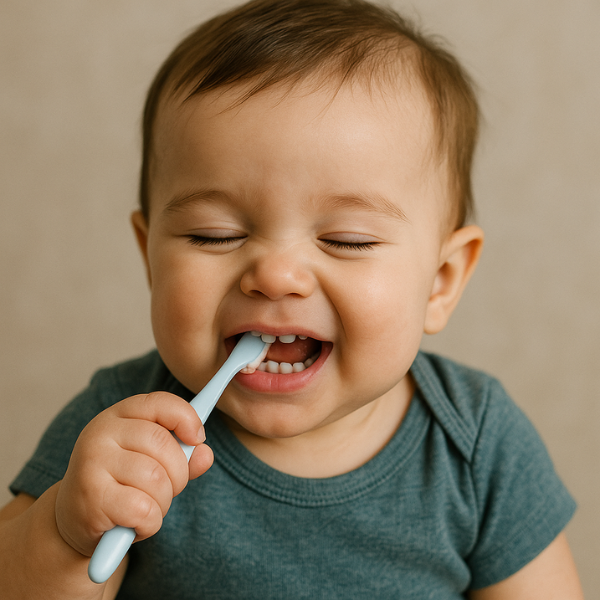
Brushing Baby Teeth the Right Way
- Start cleaning gums before teeth erupt
- Use a soft, damp cloth or infant toothbrush
- Switch to a pea-sized amount of fluoride toothpaste by age 3
Daily Baby Dental Hygiene Routine
- Morning and night brushing
- Avoid putting baby to bed with a bottle
- Clean pacifiers regularly
What This Means
Establishing a routine builds lifelong hygiene habits and lowers cavity risk.
Common Threats: Early Childhood Caries and Nursing Bottle Decay
Causes of Baby Tooth Decay
- Sugary liquids (milk, juice) at bedtime
- Prolonged bottle or pacifier use
- Poor brushing technique
Signs of Early Tooth Decay in Babies
- White spots on the tooth surface
- Discoloration or pitting
- Sensitivity or pain when eating
What This Means
Decay in baby teeth can spread fast and cause serious pain, infections, or early tooth loss.
Professional Dental Visits: When and Why to See a Dentist
When Should the First Dental Visit Be?
- Recommended by age 1 or within 6 months of first tooth
What to Expect During Baby’s First Dental Checkup
- Gentle oral examination
- Guidance on teething, diet, fluoride
- Customized oral care plan for your child
Building Healthy Habits That Last
Involve the Whole Family
- Brush together
- Make it fun with songs and games
- Reward consistency with non-food incentives
Expert Insight
“A child who learns the importance of brushing early is more likely to retain those habits through adulthood.” — Dr. M., Pediatric Dentist
Conclusion
Baby teeth may be temporary, but the habits you build around caring for them have lifelong consequences. Prioritizing early oral hygiene, knowing the warning signs of decay, and visiting a pediatric dentist early can set your child up for a confident, healthy smile for life.
Share this guide with new parents or caregivers you know—let’s give every child the healthiest start possible.
FAQs About Baby Teeth Care
When should I start brushing my baby’s teeth?
As soon as the first tooth appears. Use a soft-bristled infant toothbrush and a rice-sized smear of fluoride toothpaste.
Is it necessary to treat cavities in baby teeth?
Yes. Untreated cavities can cause pain, infection, and affect the development of permanent teeth.
What is nursing bottle decay?
It’s a form of early childhood caries caused by frequent exposure to sugary liquids, especially during sleep.
How often should a baby visit the dentist?
The American Dental Association recommends a first visit by age one, then every six months.
Can pacifiers cause dental problems?
Prolonged use can lead to misaligned teeth or bite issues. Wean off by age 2 if possible.
