
You love watching your child grow. Lots of firsts. As a parent, you must navigate numerous developmental milestones. One of the most significant physical changes you will notice during early childhood is the arrival of their first set of teeth. They may be temporary, primary teeth but they play an absolutely crucial role in your child’s overall health, speech development, and the future alignment of their permanent smile. At Miles of Little Smiles, located in White Plains, NY, we frequently guide parents through the exciting, and sometimes confusing, stages of early dental development.
Understanding Your Child’s First Set of Teeth
The initial set of teeth a child develops goes by several names: baby teeth, deciduous teeth, or, clinically, primary teeth. These small but sturdy structures are essential for your child’s early years.
The Importance of Baby Teeth in Oral Development
Baby teeth eventually fall out naturally so they do not require meticulous care. That is a common misconception. In reality, these early teeth are vital for proper chewing directly impacting nutrition. They also act as critical space maintainers for the adult teeth developing beneath the gums. Untreated decay in baby teeth can lead to serious infections that may damage the permanent teeth before they even emerge.
How Many Primary Teeth Are There?
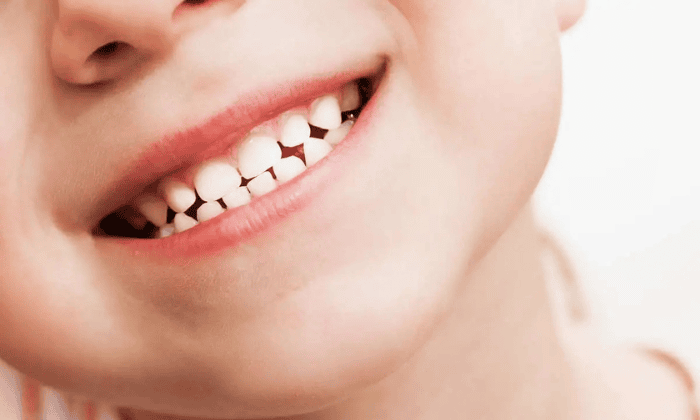
Parents often wonder exactly how many primary teeth are they to expect. By the time your child reaches age three, they should have a complete set of 20 primary teeth. This set consists of 10 teeth in the upper jaw (maxillary) and 10 in the lower jaw (mandibular), including incisors for cutting food, canines for tearing, and molars for grinding.
Navigating the Primary Teeth Eruption Sequence
The timeline for when teeth emerge through the gums is known as the primary teeth eruption sequence. Every child is unique, but this sequence generally follows a predictable pattern.
When Do the First Teeth Appear?
Typically, the first teeth to erupt are the lower central incisors (the bottom front teeth), which usually appear between six and ten months of age. Soon to follow are the upper central incisors. The process continues systematically, moving outward toward the back of the mouth, with the second molars usually being the last to erupt between the ages of two and three.
Can a 5-Month-Old Get Teeth?
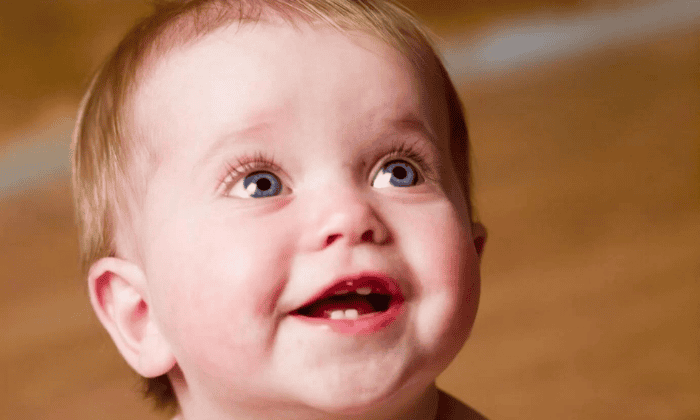
Many parents ask, “Can a 5-month-old get teeth?”. The answer is yes. While the average onset of teething is around six months, it is entirely normal for some infants to begin showing signs of eruption as early as four or five months. And some healthy babies may not see their first tooth until they are closer to a year old. If you have concerns about your infant’s development, a consultation with a pediatric dentist can provide valuable reassurance.
Utilizing a Primary Teeth Tooth Chart
To help parents track these milestones, dental professionals often rely on a primary tooth chart. According to the American Dental Association (ADA), these visual guides illustrate the approximate ages at which specific teeth are expected to erupt and eventually fall out. You can keep a chart handy at home to monitor your child’s progress. Anticipating periods of teething discomfort can enable you to be prepared to soothe them appropriately.
The Process of Primary Teeth Exfoliation
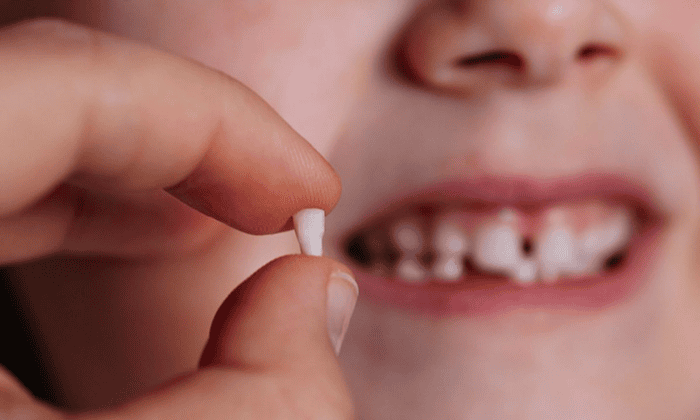
The arrival of teeth follows a pattern and so does their departure. The natural shedding of baby teeth to make way for permanent ones is clinically referred to as primary teeth exfoliation.
When Should Kids Start Losing Teeth?
The exfoliation process typically begins around age six. Shedding often mirrors the eruption sequence with the lower front teeth usually first to go. This transitional phase, where a child has a mix of both primary and permanent teeth in their mouth, lasts for several years, usually concluding around age 12 when the final primary molars are lost.
Do All Primary Teeth Fall Out?
A frequently asked question is, “Do all primary teeth fall out?”. In most healthy individuals, all 20 baby teeth will eventually be replaced by 32 adult teeth. There are rare conditions, such as hypodontia, where a permanent tooth fails to develop. In these specific cases, the primary tooth may remain in the mouth far into adulthood should there be no adult tooth to push it out from below. A panoramic dental X-ray is the only definitive way to confirm the presence of developing permanent teeth.
Managing Premature Tooth Loss
A primary tooth can be lost prematurely due to severe decay or a physical injury. When this happens, the neighboring teeth may shift into the empty space. The path for the adult tooth becomes blocked. To prevent complex orthodontic issues later on, our team may recommend placing a space maintainer which is a custom-made appliance designed to hold the gap open until the permanent tooth is ready to emerge.
Essential Dental Care During the Primary Phase
Setting habits early sets your foundation. That is why establishing excellent oral hygiene habits early is key for a lifetime of healthy smiles. Care should begin even before the first tooth appears. Just gently wipe your baby’s gums with a clean, damp cloth.
Establishing a Brushing Routine
Once the first tooth erupts, begin brushing twice daily using a soft-bristled infant toothbrush. The National Institute of Dental and Craniofacial Research (NIDCR) recommends using a tiny smear of fluoride toothpaste (the size of a grain of rice) for children under three. As your child grows and learns to spit, the amount of toothpaste can be increased to a pea-sized drop. Regular flossing should also begin as soon as any two teeth touch each other to prevent interproximal cavities.
Professional Preventative Treatments at the Dentist
Professional oversight is just as important as home care. During routine visits, we can provide treatments to significantly reduce the risk of decay. Dental sealants are a protective coating applied to the chewing surfaces of the back molars. This treatment is highly effective at keeping food and bacteria out of deep grooves.
Helpful Information: Importance of Baby Teeth: Why Early Dental Health Matters
Specialized Pediatric Dentistry in White Plains, NY
Your child requires a different approach to dental care than adults. Their mouths are still growing and their psychological needs during medical appointments are unique.
Why Choose a Board-Certified Pediatric Dentist
A board-certified pediatric dentist has completed additional years of specialized training focused explicitly on the oral health of infants, children, and adolescents, including those with special health care needs. We want your child’s dental visit to be a positive, fear-free experience. We are equipped with the behavior management techniques necessary and utilize a “tell-show-do” approach to build trust.
Comprehensive Services at Miles of Little Smiles
At Miles of Little Smiles, led by Dr. Dikla Chazbani, we are dedicated to providing exceptional care in a state-of-the-art environment. Whether your child needs a routine preventative cleaning, safe and effective dental fillings, baby root canals, or specialized laser therapy for lip and tongue ties, we are here for you and your child. Our team is prepared to handle their unique needs with compassion and clinical excellence.
Understanding the lifecycle of your child’s primary teeth is the first step to maintain a healthy, confident smile as they grow. Early intervention and consistent professional care are the most effective ways to prevent dental anxiety and costly procedures in the future.
Have questions about your child’s dental development? Ready to schedule their next preventative visit? We are here to help. Please reach out to our team via our Contact page to speak with our staff and book your appointment in White Plains, NY today.
The information provided above is for educational and informational purposes only. You should always consult with a qualified healthcare professional or dentist before making any medical decisions or undergoing any treatments.
