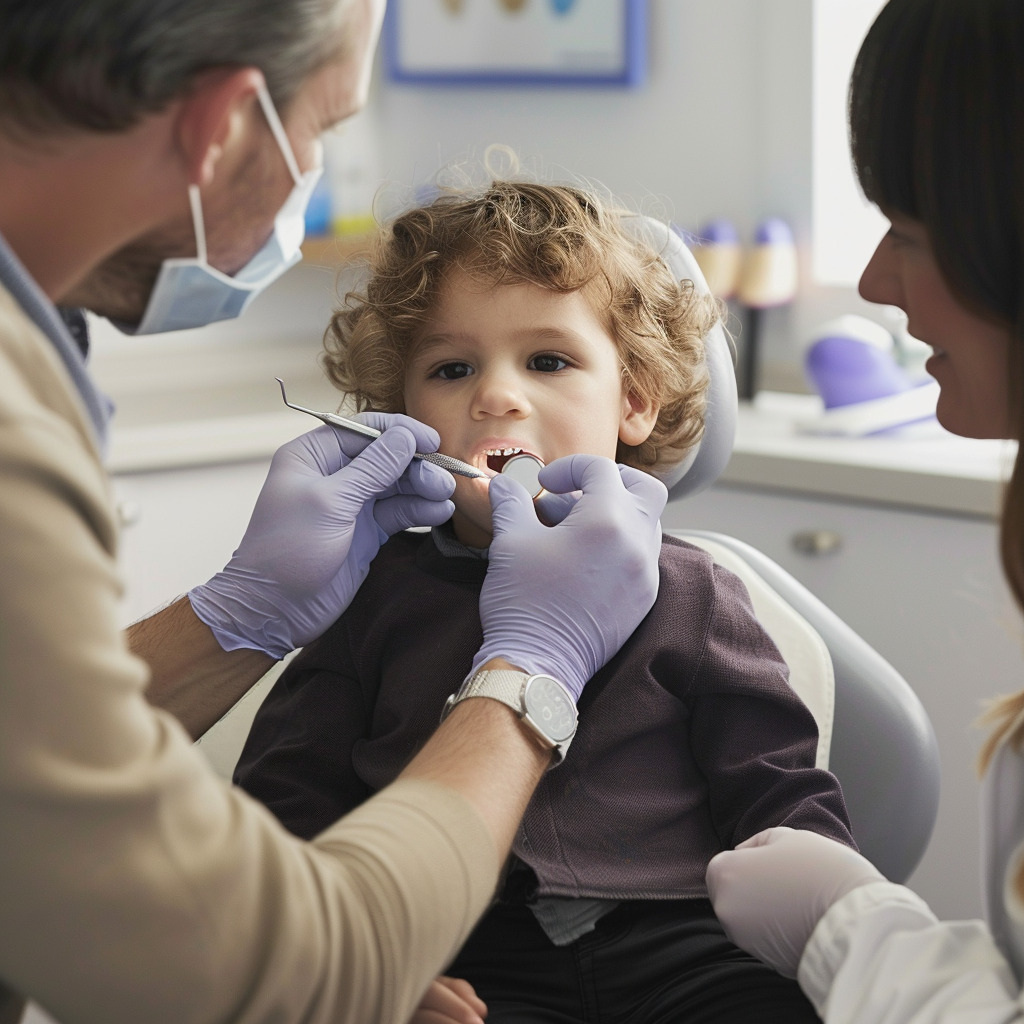
Baby teeth play a super important role in how well a kid can chew their food, speak clearly, help their jaw grow just right, and even help guide those permanent teeth into the perfect spot. It’s unfortunate that a lot of parents think ‘they’ll fall out anyway, so what’s the big deal?’, but the truth is that taking care of a kid’s oral health from the start has a huge impact on their long-term development. This blog is here to break down why baby teeth really matter, the potential problems of not taking care of them, and how to start your little one off on the right foot with good dental habits from the very beginning.
Why Baby Teeth Matter: Long-Term Impact of Early Dental Health (Full Guide)

A lot of parents get mixed messages about their little one’s baby teeth. Some think that because they are eventually going to fall out, they’re not worth the time. Others figure that if a baby gets a cavity in that tooth, it’s probably not a big deal. But the reality is entirely different when you look at what’s backed up by the latest research from the American Academy of Pediatric Dentistry, the CDC and other top doctors in the field.
Your child’s baby (primary) teeth are actually really important building blocks for making sure they can eat, talk, grow, sleep, socialise, and get healthy permanent teeth later on. And it’s not just about having a healthy smile – it’s about being healthy in general.
This guide takes a closer look at the science behind your child’s baby teeth, how they affect their development over the long term, what happens if you neglect them, and the best thing you can do to take care of your little one’s teeth in 2025.
1. Why Primary Teeth Are More Than “Placeholders”

Primary teeth begin erupting around 6 months and remain until ages 10–12. During these formative years, they serve essential developmental functions.
1.1 Baby Teeth Support Jaw and Facial Development
Primary teeth stimulate jawbone growth and help shape the face. When baby teeth are lost too early, the jaw may not develop properly, which can contribute to bite problems or crowding later in childhood.
1.2 They Guide Permanent Teeth into Position
Each primary tooth acts like a natural placeholder. It holds space so that adult teeth erupt in the correct alignment. Premature loss, often caused by decay, can cause neighboring teeth to drift, increasing the likelihood of:
- Crowding
- Misalignment
- Crossbite
- Need for orthodontic intervention
1.3 Baby Teeth Support Nutrition and Healthy Eating
Chewing efficiency depends on healthy teeth. When children develop cavities, pain may prevent them from eating nutritious foods, leading to:
- Reduced appetite
- Preference for soft, high-carb foods
- Vitamin and mineral deficiencies
A 2023 CDC report found that children with untreated cavities were more likely to have poor nutrition due to discomfort during eating.
1.4 Speech Development Depends on Stable Baby Teeth
Teeth help form consonant sounds. Missing or misaligned teeth can interfere with proper pronunciation and speech clarity. Speech therapists often collaborate with pediatric dentists when dental issues contribute to articulation challenges.
1.5 A Healthy Smile Supports Emotional Development
Children become self-aware very early. Decayed or missing front teeth can affect a child’s:
- Confidence
- Willingness to smile
- Participation in class
- Social bonding
Studies from the National Institute of Dental and Craniofacial Research (NIDCR) show that dental appearance strongly correlates with early childhood social confidence.
2. Consequences of Neglecting Early Dental Care
Neglecting baby teeth doesn’t just cause cavities — it can lead to health, developmental, behavioral, and financial consequences that carry into adulthood.
2.1 Early Childhood Caries (ECC): A Public Health Concern
ECC is one of the most common chronic diseases in children, more prevalent than asthma.
Because baby teeth have thinner enamel, they decay faster. Risk factors include:
- Sugary snacks
- Juice in bottles or sippy cups
- Nighttime feeding without brushing
- Poor brushing routines
Untreated ECC can cause:
- Severe pain
- Infections and abscesses
- Damage to developing permanent teeth
- Emergency dental visits
- The need for sedation dentistry
According to the AAPD, infection from dental decay can even affect the bloodstream and systemic health.
2.2 Gum Disease Can Begin in Childhood
Gingivitis, inflammation of the gums, is increasingly common in children. Poor oral hygiene leads to gum swelling, bleeding, and discomfort. If untreated, it can contribute to systemic inflammation.
Pediatric studies published in Community Dentistry and Oral Epidemiology show early gum disease is linked to future risks of cardiovascular issues and chronic inflammatory conditions.
2.3 Misalignment and Orthodontic Issues
Premature tooth loss can trigger misalignment due to shifting teeth. This may result in:
- Crowding
- Open bite or crossbite
- Overjet or underbite
- Increased need for braces or early orthodontics
2.4 Impact on Sleep, Behavior, and School Performance
Dental pain is a leading cause of missed school days in children. Chronic discomfort can disrupt:
- Sleep
- Attention
- Behavior
- Learning ability
Children may act irritable, distracted, or withdrawn due to untreated tooth pain.
3. Establishing Healthy Dental Habits Early (What Parents Should Do)
The good news? Most early dental issues can be prevented with simple, consistent habits.
3.1 Start Before the First Tooth Erupts
- Clean the baby’s gums with a soft cloth.
- Once the first tooth appears, switch to a soft, infant toothbrush with a smear of fluoride toothpaste.
3.2 Brushing, Flossing, and Fluoride
- Brush twice daily.
- Floss once teeth touch.
- Use a rice-sized smear of fluoride toothpaste (under age 3).
- Use a pea-sized amount for children 3+.
Fluoride varnish at dental visits helps remineralize enamel and prevent cavities.
3.3 Limit Sugary Snacks and Drinks
Frequent snacking exposes teeth to continuous sugar and acid. Choose:
- Water instead of juice
- Cheese, nuts, yogurt
- Fresh fruits and vegetables
Avoid putting babies to bed with a bottle unless it contains only water. For healthier alternatives, explorefoods that strengthen baby teeth.
3.4 Make Oral Care Fun and Consistent
Kids respond well to positive reinforcement:
- Let them pick their toothbrush color
- Use brushing songs
- Add reward charts
- Try brushing apps
3.5 Parents Should Model Healthy Habits
Children imitate adult behavior. When parents demonstrate enthusiasm for brushing and flossing, children follow.
4. Importance of Early Dental Visits
4.1 First Dental Visit by Age One
The American Academy of Pediatric Dentistry recommends:
- First dental visit by age one
- OR within six months of the first tooth erupting
This creates a dental home — a trusted environment where children feel safe.
4.2 Regular Check-Ups and Preventive Care
Every 6 months, dentists can:
- Monitor jaw and tooth development
- Apply fluoride varnish
- Place dental sealants
- Provide professional cleanings
- Identify early signs of decay
4.3 Role of Pediatric Dentists
Pediatric dentists specialize in:
- Growth and development
- Bite alignment
- Habit counseling (thumb-sucking, pacifiers)
- Special needs dentistry
- Behavior guidance
Their training helps children build positive lifelong dental attitudes.If pacifier use is affecting dental development, parents can learn from the page on pacifier effects on teeth.
5. Parental Role and Collaborative Care
5.1 Recognizing Early Warning Signs
Parents should watch for:
- White or brown spots
- Swollen or bleeding gums
- Pain while chewing
- Persistent bad breath
- Sleep disturbances
5.2 Pediatricians + Dentists Working Together
Integrated care helps monitor:
- Fluoride exposure
- Feeding habits
- Speech development
- Early orthodontics
Collaboration improves outcomes and ensures children receive whole-child care.
6. Long-Term Benefits of Caring for Baby Teeth
Caring for baby teeth has lasting advantages:
- Correct eruption of permanent teeth
- Reduced need for braces
- Improved nutrition and speech
- Fewer hospital-based dental procedures
- Lower lifetime dental costs
- Higher confidence and social well-being
- Healthier adult smiles
Early oral care creates a foundation for lifelong dental and systemic health.
Conclusion
Baby teeth aren’t just temporary little placeholders – they are actually pretty crucial to a child’s growth and development. They help with eating, talking, and overall well-being – and even act as a guide for the growth of their adult teeth. It all adds up – and looking after them from the start is key. Not only that, but taking the time to learn about the risks of neglect and the benefits of good care will give you the tools you need to help keep your kid’s smile bright and their teeth healthy for years to come.
Ready to support your child’s lifelong dental health?
Schedule a visit with the gentle, kid-focused team at Miles of Little Smiles to get personalized guidance, preventive care, and a stress-free dental experience for your child.
FAQ About The Importance Of Baby Teeth
1. Why worry about baby teeth if they fall out?
Baby teeth guide permanent teeth, support speech development, and allow children to chew properly. Premature loss increases risks of misalignment, early childhood cavities, and long-term orthodontic issues.
2. When should my child first see a dentist?
The AAPD recommends a dental visit by age one or within six months of the first tooth erupting. This establishes a dental home and supports early prevention.
3. What causes cavities in baby teeth?
Frequent sugary snacks, juice in bottles, and infrequent brushing allow bacteria to produce acids that weaken thin enamel, leading to early childhood caries.
4. Are fluoride treatments safe for young children?
Yes — fluoride toothpaste and dentist-applied fluoride varnish strengthen enamel and are considered safe and effective by the AAPD and CDC.
5. Do pacifiers or thumb-sucking affect baby teeth?
Extended use can influence bite alignment and jaw development. Pediatric dentists evaluate these habits and guide parents on when and how to phase them out.
