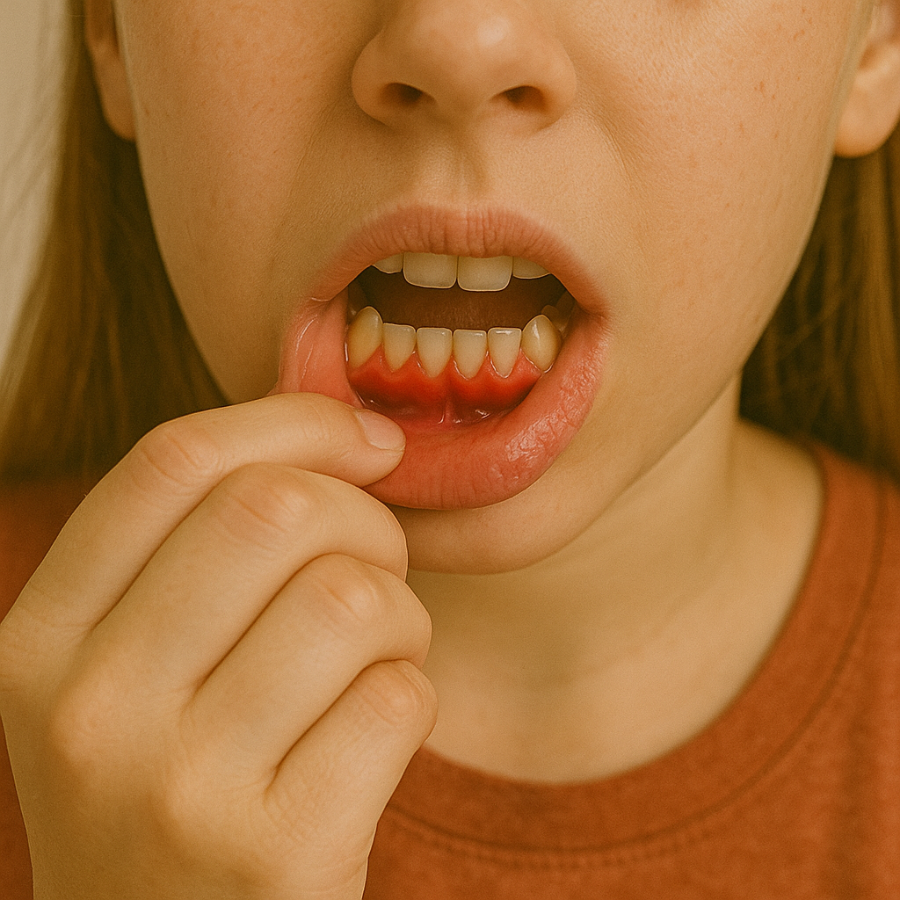
Calcium-rich dairy, crunchy veggies, and vitamin-packed fruits are some of the best foods for strong baby teeth—laying the foundation for lifelong oral health.
This blog will walk you through the smartest nutritional choices, expert-backed tips, and actionable guidance to build a tooth-friendly diet that strengthens your child’s smile from the inside out.
Why Nutrition Matters for Baby Teeth
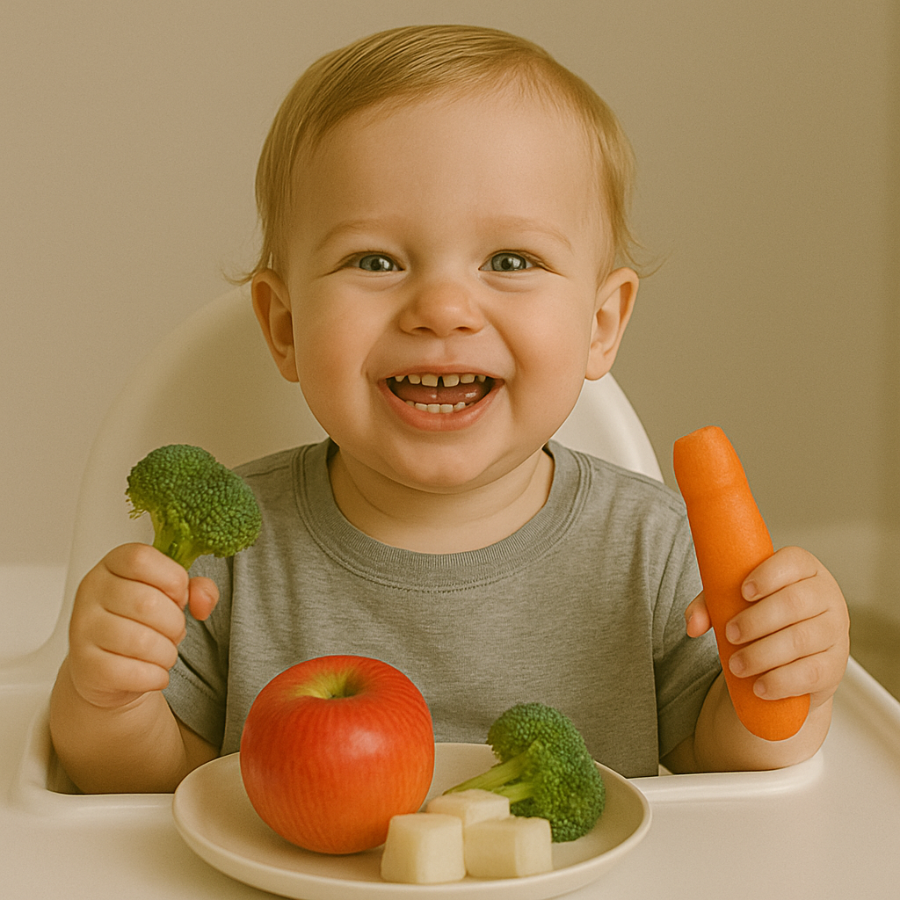
Tooth development starts long before the first baby tooth erupts, and what your child eats after that point continues to shape enamel strength and gum health. A balanced oral health diet can help prevent cavities, reduce the risk of early tooth decay, and encourage stronger, properly aligned teeth. Nutrients like calcium, phosphorus, vitamin D, and magnesium are essential in this developmental stage.
A healthy diet combined with good dental hygiene builds not only strong baby teeth but also habits that protect their adult teeth in the future. According to the American Academy of Pediatric Dentistry (AAPD), preventive nutrition is one of the best tools we have to combat early childhood caries.
Calcium-Rich Foods: A Non-Negotiable for Strong Enamel
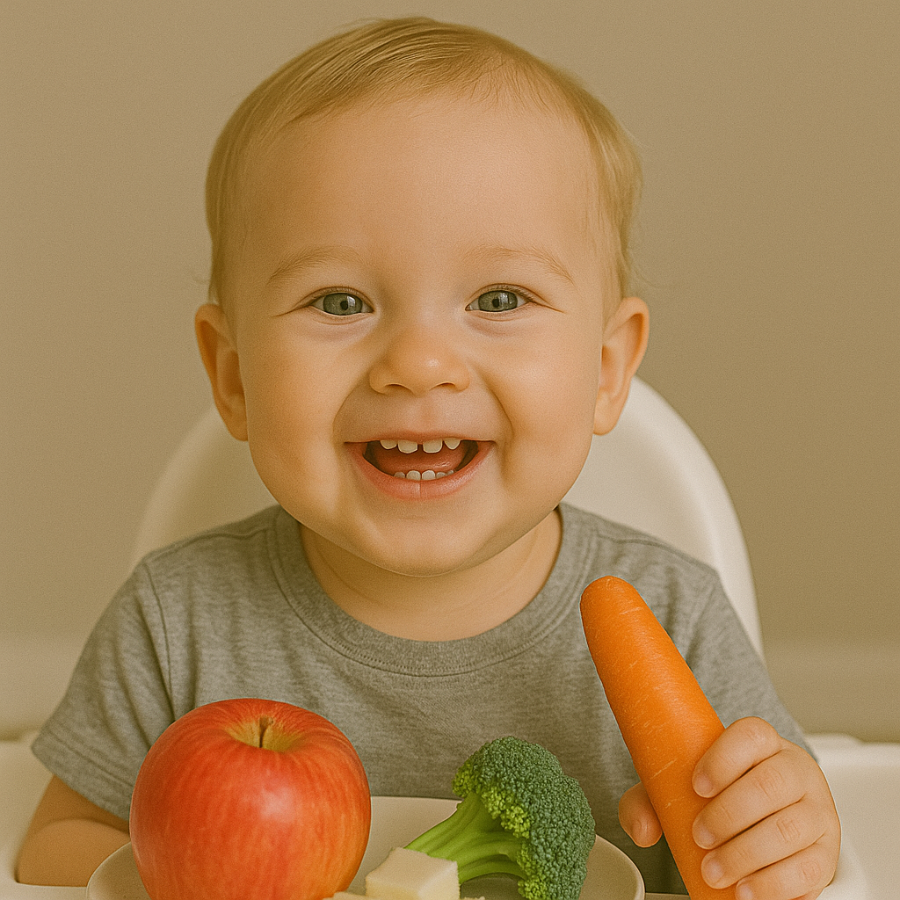
Calcium is one of the most important nutrients when it comes to building strong, cavity-resistant enamel. Offer your child calcium sources like milk, cheese, and yogurt, especially in their early years. If your child doesn’t tolerate dairy well, plant-based options such as broccoli, kale, or fortified soy milk can help fill the gap.
Other great options include soft tofu, salmon (with bones), and white beans. These calcium-rich foods strengthen both teeth and bones and are easy to prepare in toddler-friendly ways.
Crunchy Fruits & Veggies: Nature’s Toothbrush
Fresh fruits and vegetables that require a good bite—like apples, carrots, cucumbers, celery, and bell peppers—act like natural toothbrushes by helping scrub away plaque while stimulating saliva production. Saliva is the mouth’s natural defense system and helps neutralize acids and rinse away food particles.
While soft fruits like bananas and berries are nutritious, mixing them with crunchy options gives a dual benefit of nutrients and oral hygiene support. Remember to always cut raw fruits and vegetables into small, manageable pieces to prevent choking in toddlers.
Phosphorus and Magnesium: Silent Supporters of Tooth Strength
Though not often discussed, phosphorus and magnesium are critical for making the most of the calcium your child consumes. Without these minerals, calcium can’t be absorbed efficiently. You’ll find phosphorus in lean meats, fish, eggs, and whole grains. Magnesium is abundant in bananas, avocados, nuts (for older children), and leafy greens.
Eggs, in particular, are a powerhouse food for developing children—they contain phosphorus, vitamin D, and protein in a toddler-friendly format.
Vitamin D: The Absorption Key
Vitamin D plays a crucial role in helping the body absorb calcium. Natural sunlight is the best source of vitamin D, but it’s also found in foods like fatty fish (salmon, tuna), egg yolks, and fortified products like milk and cereal.
For kids with limited sun exposure or picky eaters, a pediatrician may recommend vitamin D supplements. Maintaining the right balance of calcium and vitamin D is one of the most effective ways to promote healthy enamel and bone development in growing children.
Teeth-Friendly Snacks to Support Daily Health
Snacks are where many parents unknowingly sabotage their child’s oral health. Sticky fruit snacks, cookies, crackers, and sugary yogurts may seem convenient, but they often leave sugar residues on teeth that feed cavity-causing bacteria.
Instead, opt for teeth-friendly snacks like sliced apples, plain yogurt with fresh fruit, hard-boiled eggs, cucumber sticks, or cubes of cheese. These snacks not only avoid excess sugar but also help mechanically clean teeth while supplying essential nutrients.
One easy swap: Replace fruit juice with water infused with berries or citrus slices (for flavor, not long-term sipping) to encourage hydration without added sugar.
Water: The Best Drink for Oral Health
Nothing beats water when it comes to your child’s hydration and oral care. Not only does it help rinse food particles from the mouth, but in many places like White Plains, the tap water is fluoridated—which helps protect against cavities.
Even 100% fruit juice should be served in moderation, and sugary drinks like soda or sweetened tea should be avoided altogether. Let water be the default drink for snacks, meals, and brushing time.
What to Avoid (Even If It Seems “Healthy”)
Many packaged snacks marketed as healthy are filled with hidden sugars, dried fruit concentrates, or sticky textures that cling to teeth and feed plaque-causing bacteria. Some examples include:
- Raisins and dried fruits
- Granola bars with syrups
- Smoothies with added sweeteners
- Constant citrus fruit snacks
- Flavored yogurts or drinks
Even healthy-sounding items can cause damage if they are sticky, acidic, or consumed too often without proper rinsing or brushing.
Sample Daily Nutrition for Healthy Baby Teeth
Here’s a simple lineup of what a day of tooth-friendly meals could look like for your child:
- Breakfast: Scrambled eggs, whole-grain toast, and a cup of milk
- Snack: Apple slices and cheese cubes
- Lunch: Grilled chicken, steamed broccoli, and brown rice
- Snack: Cucumber sticks with hummus
- Dinner: Baked salmon, sweet potato mash, and a banana
These meals include a balanced mix of calcium, vitamin D, fiber, and natural cleaning action—everything your child needs to support a healthy smile.
Final Thoughts
Strong baby teeth don’t just come from brushing—they begin on the plate. By building a child tooth health diet that includes calcium-rich foods, crunchy veggies, tooth-safe snacks, and limited sugar, you can make a lasting impact on your child’s oral health.
Pair that with regular dental visits, and you’re giving your child the best foundation for a lifetime of healthy smiles.
Ready to check your child’s dental development? Book a visit with Miles of Little Smiles in White Plains—where healthy habits and gentle care come together for kids.
FAQs About Best Foods for Strong Baby Teeth
What are the best foods to strengthen baby teeth?
Calcium-rich foods like milk, cheese, yogurt, and broccoli support enamel strength. Crunchy fruits and vegetables also help clean teeth naturally.
Are bananas good for baby teeth?
Yes. Bananas are soft, non-acidic, and contain magnesium, which supports tooth mineralization while being gentle on gums.
What should toddlers drink for healthy teeth?
Water is best. It keeps the mouth clean and hydrated, and in some areas, contains fluoride that helps protect enamel.
Are dried fruits bad for children’s teeth?
Yes. Sticky dried fruits cling to teeth and feed bacteria, increasing the risk of cavities if not followed by brushing or rinsing.
How can I make meals more tooth-friendly for my child?
Choose fresh, whole foods—like dairy, eggs, vegetables, and lean proteins—over packaged or sugary items. Offer water instead of juice and include crunchy produce daily.
