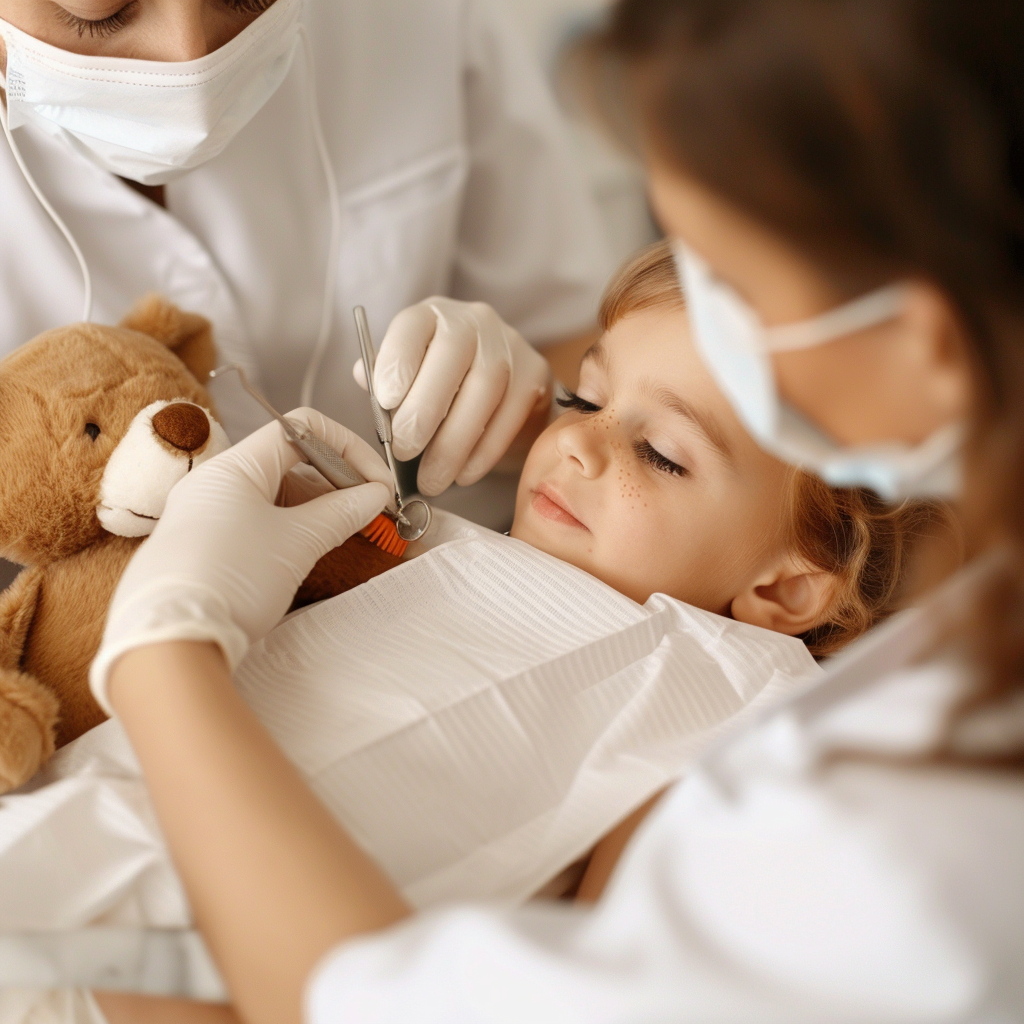
Finding a trusted special needs pediatric dentist in White Plains is crucial for families seeking gentle, customized care. With sensory-friendly strategies and compassionate approaches, children with autism, ADHD, or other developmental needs can thrive at the dentist.
This blog will guide you through common challenges, dentist-approved gentle approaches, and help parents prepare their children for successful, stress-free visits.
Why Special Needs Dental Care Requires a Different Approach
Children with developmental, behavioral, or physical differences often face unique challenges at the dentist. Research shows that children with autism are more likely to experience untreated dental disease due to difficulties with traditional care models (NIH, 2023).
Challenges may include:
- Sensory sensitivities to lights, sounds, or textures.
- Difficulty communicating pain or discomfort.
- Anxiety or behavioral responses triggered by medical settings.
- Medical complexities requiring careful sedation planning.
For these children, standard dental care doesn’t always work — which is why families benefit from a special needs pediatric dentist trained in behavior guidance, sensory adaptation, and caregiver collaboration.
Gentle Approaches That Make a Difference

1. Sensory-Friendly Dental Care
Many children with autism or ADHD experience heightened sensory responses. Gentle practices may include:
- Dimmed lights and quieter rooms.
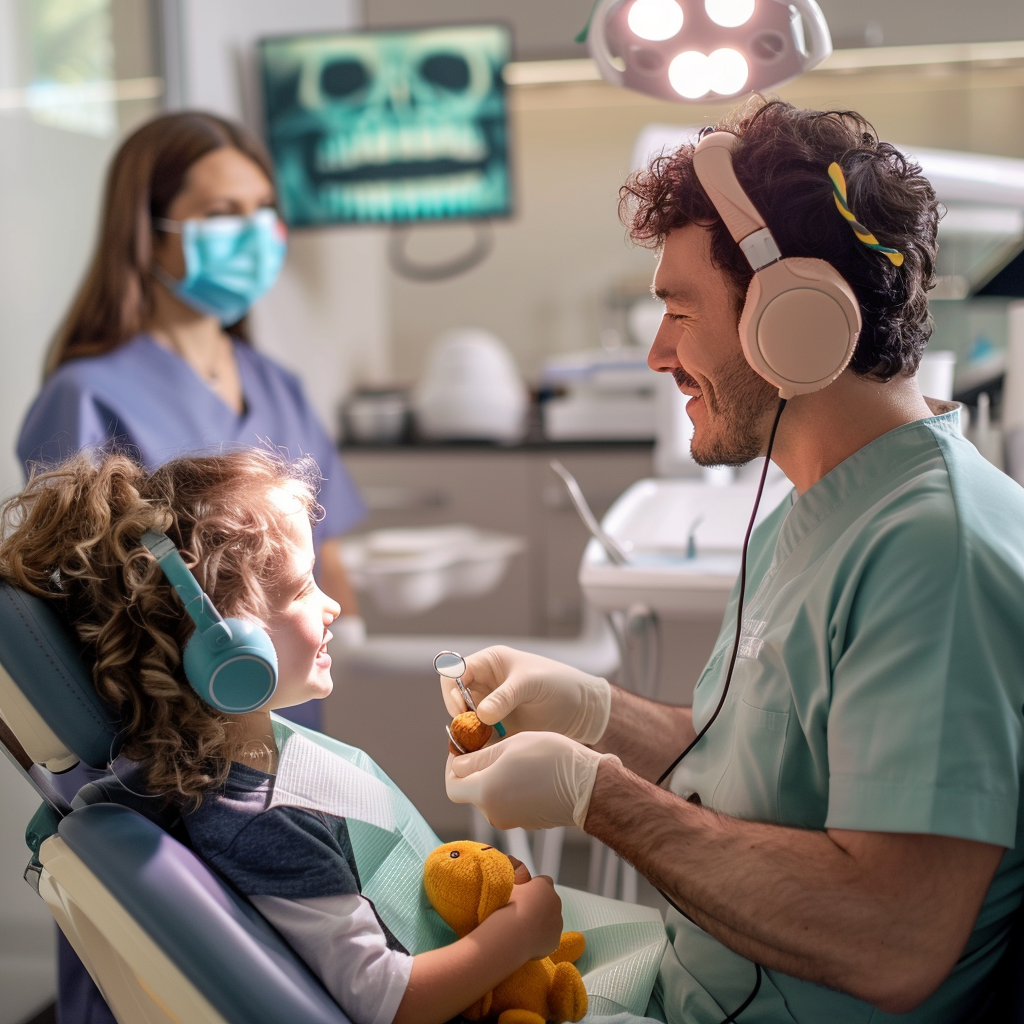
- Noise-canceling headphones or weighted blankets.
- Social stories or visual schedules to explain each step.
Clinics in White Plains are increasingly designing sensory-friendly dental care spaces to meet these needs.
2. The Tell-Show-Do Method
This classic pediatric dentistry technique works especially well for children with special needs:
- Tell: Explain the procedure in simple, reassuring terms.
- Show: Demonstrate on a model, parent, or finger.
- Do: Slowly perform the step with reassurance.
Breaking down visits this way reduces unpredictability and builds trust.
3. Short, Structured Appointments
Instead of long, overwhelming sessions, many dentists schedule:
- Short initial visits to build familiarity.
- Gradual introductions to equipment.
- Follow-up appointments for treatment once trust is established.
4. Sedation Support When Needed
For some children, sedation dentistry is necessary for safe, stress-free care. Options may include:
- Nitrous oxide (laughing gas): Mild and safe for most children.
- Oral sedation: For more anxious patients.
- General anesthesia: Reserved for extensive treatment or children with complex medical needs.
Each sedation plan is tailored to the child’s health and behavior, always reviewed with parents and pediatricians.
5. Parent Involvement
Parents know their children best. A good special needs pediatric dentist in White Plains will:
- Ask about triggers, preferences, and comfort tools.
- Allow parental presence during visits when helpful.
- Encourage home preparation (role-play, practice with toothbrushes, using picture books about dental visits).
How Parents Can Prepare Their Child for the Dentist
- Start Early: First dental visit by age 1 helps build familiarity.
- Practice at Home: Count teeth, shine a small light, let your child hold a toothbrush.
- Use Visual Tools: Social stories, YouTube videos of calm dental visits.
- Bring Comfort Items: A favorite toy, weighted blanket, or fidget tool.
- Schedule Strategically: Early morning appointments often work best for children with sensory or behavioral needs.
Why Local Access Matters
Families in Westchester County often struggle to find providers trained in disability oral health care. Having a trusted special needs pediatric dentist in White Plains reduces:
- Long travel times (a common barrier for families).
- The risk of delaying care until emergencies.
- Stress for both children and caregivers.
Local care also fosters continuity — the same dentist can monitor growth, orthodontic signs, and preventive care over years.
Best Practices in Special Needs Pediatric Dentistry (2025 Standards)
According to the American Academy of Pediatric Dentistry (AAPD), effective special needs dentistry includes:
- Behavior guidance training.
- Emergency protocols for medically complex children.
- Collaboration with occupational and speech therapists.
- Ongoing staff training in disability sensitivity.
Clinics excelling in this field also incorporate caregiver coaching — teaching parents brushing techniques, diet adjustments, and strategies for oral care at home.
Conclusion
Every child deserves compassionate, accessible dental care — and children with special needs are no exception. By choosing a special needs pediatric dentist in White Plains, families can find gentle, sensory-friendly strategies that transform fear into comfort and build long-term trust.
With the right team, dental care becomes less about “getting through it” and more about empowering every child to smile with confidence.
Ready to find a gentle care plan for your child? Schedule a visit with our pediatric dental team in White Plains and experience customized, child-centered dentistry.
FAQs About Special Needs Pediatric Dentist White Plains
Q: How do I find a special needs pediatric dentist in White Plains?
A: Look for pediatric dentists trained in behavior guidance and sensory-friendly care, with experience treating children with autism, ADHD, or disabilities.
Q: What is the best autism dentist approach for kids?
A: Sensory-friendly strategies, short visits, and the tell-show-do method work best. Some children may also benefit from sedation support.
Q: How can parents prepare children with special needs for dental visits?
A: Role-play at home, use social stories, bring comfort items, and communicate your child’s triggers to the dentist in advance.
Q: Is sedation safe for children with disabilities?
A: Yes, when provided by trained pediatric dentists and anesthesiologists, sedation can be safe and tailored to a child’s health needs.
Q: What dental challenges are common in children with special needs?
A: Higher rates of cavities, gum disease, and oral trauma, often linked to sensory aversions to brushing or dietary restrictions.
Q: Can parents stay in the room during treatment?
A: Many clinics encourage parental presence if it helps the child feel safe, though each case is tailored individually.

One thought on “Special Needs Pediatric Dentist White Plains | Gentle Care”
Comments are closed.