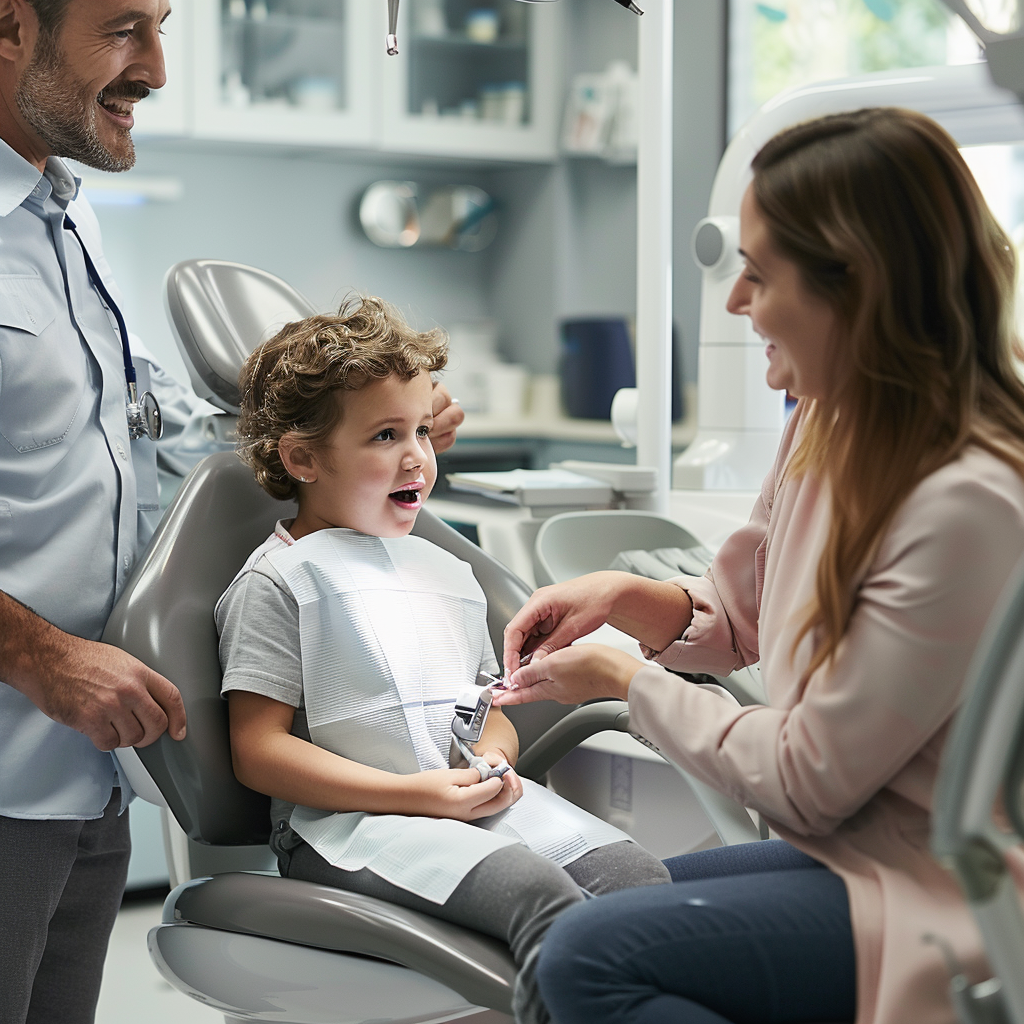
Pediatric dental X-rays help dentists see parts of your child’s teeth and jaw that are not visible during a normal check-up. They are essential for detecting hidden problems early and guiding healthy development. This blog will walk you through what X-rays do, when kids need them, and why they matter for long-term oral health.
1. What Are Pediatric Dental X-Rays?

Dental X-rays are imaging tools that capture detailed pictures of teeth, jawbones, and surrounding structures. A dentist uses them to spot issues that cannot be seen during a visual exam. These include early decay, jaw development patterns, infections, and the positioning of teeth beneath the gums.
Parents sometimes assume X-rays are taken at every visit, but in pediatric dentistry, radiographs are not routine screening. They are used when they provide clear clinical benefits and follow guidelines from the American Academy of Pediatric Dentistry (AAPD). During a regular pediatric dental checkup, a dentist evaluates whether X-rays are necessary based on age, risk factors, and symptoms.
2. Why X-Rays Matter for Kids

X-rays give dentists information that supports early detection and safer, less invasive treatment planning.
2.1 Detect Hidden Cavities and Early Decay
Some cavities form in places impossible to see during a visual exam. These may hide:
- Between teeth
- Under the gumline
- Beneath older fillings
- Along the roots
Interproximal decay is one of the most common childhood dental issues. By catching cavities while they are small, dentists can treat them before they cause pain or require extensive repair. This early detection also lowers the chances of needing advanced procedures such as pediatric dental crowns.
2.2 Track Tooth Development and Jaw Growth
As children grow, X-rays help dentists assess how:
- Permanent teeth are forming
- Roots are developing
- Teeth are erupting into the mouth
- Jawbones are growing
Imaging ensures that permanent teeth have enough space to come in properly. When alignment concerns appear, dentists may guide parents toward early orthodontic evaluation. For example, parents reading about when kids should get braces often learn that X-rays are the first tool used to evaluate spacing and bite concerns.
2.3 Detect Infections or Injuries
Infections in dental roots, abscesses, or trauma caused by falls often cannot be diagnosed without imaging. X-rays help determine:
- Whether a tooth is cracked
- If there is bone involvement
- How far has the infection progressed
This is especially important when young children have dental injuries or have conditions like teething discomfort mistaken for cavities.
2.4 Support Treatment Planning
X-rays provide the structural details needed for fillings, extractions, space maintainers, or orthodontic guidance. Planning without imaging creates risk for incomplete diagnosis or unexpected complications.
3. Types of Pediatric Dental X-Rays
Each type of radiograph provides different information. Pediatric dentists choose based on age, symptoms, and purpose.
3.1 Bitewing X-Rays
Bitewing images show the crowns of the upper and lower teeth at the same time. They help detect:
- Cavities between teeth
- Early enamel weakness
- Alignment concerns
They are the most common X-ray taken during childhood.
3.2 Periapical X-Rays
Periapical X-rays show the entire tooth from top to root. Dentists use them to evaluate:
- Root infections
- Abscesses
- Impacted teeth
- Early bone changes
A periapical X-ray is especially helpful when dentists examine concerns related to baby teeth falling out too early.
3.3 Panoramic Radiographs
A panoramic X-ray captures the entire mouth in one image, including:
- Jawbones
- Temporomandibular joints
- Permanent tooth buds
- Impacted teeth
- Cysts or unusual growths
They are often used in older children or when orthodontic planning begins.
3.4 Digital X-Rays vs Traditional Film
Most modern pediatric dental practices use digital radiographs. These systems provide several advantages:
- 80 to 90 percent less radiation exposure
- Instant images
- Higher clarity
- Easier comparison over time
According to the American Dental Association, digital imaging is a major advancement in reducing radiation exposure in children.
4. Safety and Radiation Exposure
Parents often express concern about radiation in X-rays. The reality is that the radiation dose is extremely small. A single dental X-ray exposes a child to less radiation than:
- A short airplane flight
- A day outdoors
- A meal containing naturally occurring radiation
4.1 How Digital Technology Protects Kids
Pediatric dentists rely on:
- Digital sensors
- Low-emission machines
- Precise beam targeting
Digital systems significantly reduce the dose while still producing clear, diagnostic-quality images.
4.2 Protective Equipment
Children wear:
- Lead aprons
- Thyroid collars
These prevent radiation from reaching sensitive tissues.
4.3 Selective Use and the ALARA Principle
Pediatric dentists follow the ALARA principle: radiation should be As Low As Reasonably Achievable. X-rays are taken only when the expected benefits outweigh the risks.
5. When Should Children Get Dental X-Rays?
There is no exact age when every child must receive X-rays. The timing depends on dental development and risk level.
5.1 First Dental X-Ray
Most children get their first set of bitewing X-rays around age three, when back teeth begin touching. This is when cavities between teeth become possible.
However, younger children may need X-rays if:
- They have early childhood cavities
- Their teeth erupt in unusual patterns
- They experience injuries
- Pain or swelling is present
5.2 Frequency Based on Risk
Dentists determine X-ray frequency based on:
- Caries risk
- Oral hygiene patterns
- Crowding
- Orthodontic needs
High-risk children may need X-rays every 6 to 12 months. Low-risk children may only need them every 12 to 24 months.
5.3 Not Taken at Every Visit
Professional guidelines make clear that X-rays should not be taken at every appointment. Dentists only recommend them when there is a clear clinical need.
6. What to Expect During a Pediatric Dental X-Ray
Understanding the process helps reduce anxiety for parents and children.
6.1 How Dentists Prepare Children
Dentists explain the process using simple language, describing X-rays as “special pictures” of teeth. Children wear protective aprons and sometimes bring a favorite toy for comfort.
6.2 Positioning and Image Capture
Depending on the X-ray type, your child may:
- Sit in a chair
- Stand next to the panoramic machine
- Bite gently on a small sensor
Image capture takes only a few seconds.
6.3 Reviewing the Results
Digital images appear instantly. Dentists walk parents through areas of concern and answer questions. When families understand early signs, they recognize related symptoms such as:
- Sensitivity during meals
- Prolonged teething pain
- Uneven tooth eruption
7. Helping Kids Feel Comfortable During X-Rays
Pediatric dental offices are designed to help children feel at ease. Colorful rooms, friendly staff, and simplified explanations all reduce stress.
Parents can help by:
- Staying calm
- Offering a brief, positive explanation
- Bringing comfort items
Conclusion
Dental X-rays play a crucial role in monitoring how a child’s teeth and jaw develop, detecting hidden problems, and planning treatment before issues escalate. When used thoughtfully and supported by modern digital tools, pediatric X-rays are both safe and essential for long-term oral health. Understanding when and why dentists recommend them helps parents make informed decisions and ensures that children grow with healthy, confident smiles.
If you’d like personalized guidance about your child’s dental development or have questions about imaging, the team at Miles of Little Smiles is here to help.
Book a gentle, kid-friendly dental visit today to support your child’s healthiest smile.
FAQs About Pediatric Dental X-rays
Are dental X-rays safe for children?
Yes. Digital X-ray systems recommended by organizations like the ADA use very low radiation levels. The dose is lower than a day of natural background exposure and protective aprons shield sensitive areas.
What is the youngest age a child can have dental X-rays?
There is no minimum age. The AAPD suggests the first bitewing X-rays when back teeth touch, usually around age three, though younger children may need imaging if symptoms arise.
How often should my child get dental X-rays?
Timing depends on risk. Children with a history of cavities or crowding may need X-rays every 6 to 12 months. Those with low risk may only need them every 12 to 24 months.
Why does my child need dental X-rays?
X-rays detect cavities between teeth, evaluate jaw growth, identify infections or injuries, and support early orthodontic planning.
Do dental X-rays hurt?
No. The process is quick and painless. Children may bite on a small sensor for a few seconds while the image is taken.
