
Most kids start orthodontic treatment between ages 9 and 14—but the right timing depends on their unique dental development.
This blog will walk you through the ideal orthodontic timeline for children, how to recognize early signs, and what White Plains parents should know about braces and pediatric alignment care.
Why Early Orthodontic Evaluation Matters

Understanding Orthodontic Milestones
The American Association of Orthodontists recommends a first orthodontic check-up by age 7. Why so early? Because that’s when the adult molars typically start to emerge—setting the foundation for bite alignment.
Early evaluations help detect potential issues such as:
If you’re already thinking about your child’s dental future, start by scheduling a pediatric dental checkup in White Plains.
Signs Your Child Might Need Braces
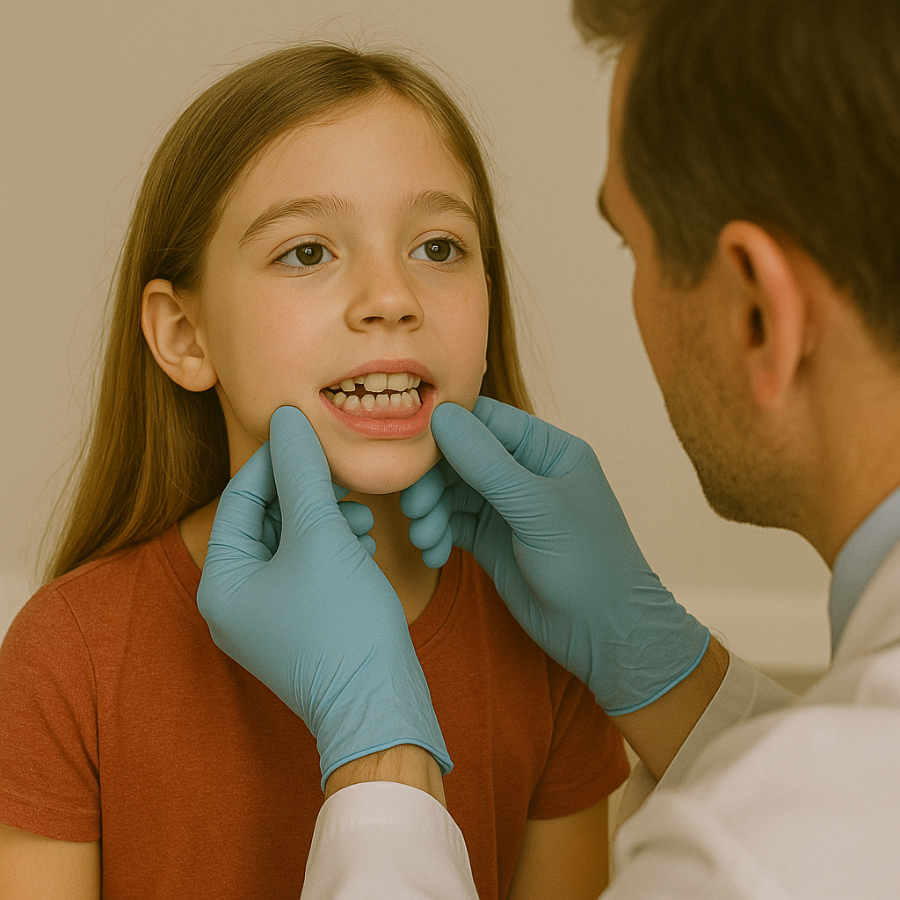
Common Indicators to Watch
While some alignment issues are easy to spot, others are more subtle. Watch for signs such as:
- Early or late loss of baby teeth
- Trouble chewing or biting
- Jaws that shift or make sounds
- Crowded or blocked-out teeth
- Mouth breathing
Did you know? Tooth development in children often determines how soon intervention is needed.
If your child shows any of these symptoms, it’s wise to visit a pediatric dentist who can refer you to an orthodontist.
The Ideal Age for Braces: What White Plains Parents Should Know
Typical Age Range for Braces
Most children begin braces between ages 9 to 14, when most permanent teeth are in, but growth is still active. This age range allows orthodontists to guide jaw development and tooth alignment more effectively.
Early Intervention vs. Traditional Braces
Sometimes, early orthodontic treatment—known as Phase 1 Orthodontics—starts around age 7–9 to address major issues before all permanent teeth appear.
Later, Phase 2 (usually around 11–14) involves full braces to refine alignment.
Personalized Timing Based on Development
Every child is different. Some may benefit from early treatment, while others may not need braces until their teen years. Your dentist and orthodontist will assess:
- Jaw growth
- Tooth eruption patterns
- Bite structure
Types of Braces Available for Kids
Traditional Braces
Still the most common, metal braces are durable and effective for a wide range of alignment issues.
Ceramic Braces
Less visible than metal, these are great for teens who want a more subtle look—but may stain more easily.
Invisalign® for Kids
Some older children qualify for clear aligner systems like Invisalign First®, designed for developing mouths. Ask your provider about candidacy.
What to Expect: Braces Timeline and Cost
Average Treatment Duration
- Mild to moderate cases: 12–18 months
- Severe misalignments: Up to 24–30 months
Braces Cost in White Plains
Braces typically range from $4,000–$7,000 depending on complexity and appliance type. Many providers offer payment plans and dental insurance coordination.
Contact our White Plains dental team to explore flexible orthodontic options for your child.
How to Support Your Child Through Braces
Dental Hygiene Tips
- Use a soft-bristle toothbrush and fluoride toothpaste
- Rinse with orthodontic mouthwash
- Floss daily with a floss threader or water flosser
Emotional Support
Braces can be intimidating for kids. Encourage them with:
- Fun-colored elastics
- Positive reinforcement
- Braces-friendly treats after appointments
Conclusion
Braces are more than just a cosmetic fix—they guide proper jaw development, improve bite function, and support long-term oral health.
If you’ve been asking “when should kids get braces in White Plains,” the answer starts with early dental visits and personalized care.
FAQs About When Should Kids Get Braces White Plains
What is the best age to get braces for children in White Plains?
Most kids start braces between ages 9–14, but an orthodontic screening by age 7 is ideal for early detection.
How do I know if my child needs braces?
Signs include crooked teeth, difficulty chewing, or early/late tooth loss. A pediatric dentist can help evaluate.
Are there early signs of orthodontic issues in toddlers?
Yes—mouth breathing, thumb-sucking past age 4, or speech delays may indicate alignment issues.
What’s the difference between Phase 1 and Phase 2 braces?
Phase 1 addresses early jaw and bite problems (age 7–9), while Phase 2 is full braces during preteen/teen years.
Is Invisalign safe for kids?
Yes, Invisalign First® is designed for younger patients and may be an option for mild to moderate cases.
