
Undergoing a root canal procedure often brings up questions about post-operative care and daily logistics. Patients frequently wonder about their recovery timelines and their ability to handle normal responsibilities. A very common question we receive at Miles of Little Smiles is whether a patient is able to drive after a root canal. The answer depends entirely on the specific type of anesthesia or sedation used during your teen’s dental visit.
Endodontic therapy involves removing infected tissue from inside a damaged tooth. Some pain management methods leave your teen perfectly capable of operating a vehicle immediately after their appointment. Other sedation choices require strict rest and a designated driver. Understanding these pharmacological differences helps you plan their appointment safely. Miles of Little Smiles wants to ensure your teen’s trip home is completely safe and free from stress.
Immediate Effects of Endodontic Treatment on Driving Ability
When considering if your teen is able to drive following the appointment, you must first look at the specific medications administered by the endodontist. A root canal involves cleaning out the pulp chamber and root canals of a severely damaged tooth. The medical tools and techniques focus strictly on the oral cavity. The determining factor for the commute is the pharmacological approach used to manage your pain and overall comfort.
>>> Read more: https://milesoflittlesmiles.com/root-canal-treatment/
Assessing Local Anesthesia and Motor Skills
Local anesthesia is the absolute most common pain management strategy for endodontic therapy. Dentists inject medications like lidocaine or mepivacaine directly into the gums near the affected tooth. The molecular structure of local anesthetics prevents the generation of pain impulses. These medications block sodium channels in the nerve cell membrane. When the sodium channels are blocked, the local nerve cannot transmit a pain signal to the brain. This targeted approach is why systemic side effects are incredibly rare.
If your teen’s treatment involves only local anesthesia, he or she is almost always able to drive safely once the procedure concludes. Consider the following factors:
- Motor Skills:
Your teen’s fine motor skills function perfectly.
- Coordination:
Your teen’s hand-eye coordination works exactly as it did before the appointment.
- Vision:
Your teen’s brain processes visual information from the road without any chemical interference.
Your teen will likely experience numbness in their lips, cheeks, or tongue for several hours. This localized numbness might make talking or drinking slightly awkward. It does not impair their physical ability to steer a car, check their blind spots, or apply the brakes safely. We advise patients to wait five minutes in the dental chair after the procedure. This short pause allows them to adjust to the numbness before walking out to your vehicle.

Managing Post-Treatment Anxiety and Physical Fatigue
Even without systemic sedation, the stress of a dental visit can impact your teen’s alertness. Many patients experience anxiety before sitting in the dental chair, prompting the body to release cortisol and adrenaline. Once the procedure concludes, the sudden drop in these stress hormones can lead to an adrenaline crash. This biological shift often leaves patients feeling physically drained.
Driving requires sharp attention and rapid physical reflexes. If your teen feels exhausted after the appointment, their concentration may wander. They should take a moment to evaluate their energy levels before starting their car. Sit quietly in the waiting room for ten minutes and drink a glass of water. If they still feel completely drained, they should call a family member or use a rideshare service. Their physical safety must always take priority over immediate convenience.
Impact of Sedation Levels on Your Post-Operative Commute
Dental sedation alters a patient’s state of consciousness to varying degrees. Dentists rely on these options for severe anxiety or complicated procedures. Because these substances depress the central nervous system, they directly interfere with the cognitive and motor functions required to drive safely. Understanding your teen’s specific sedation method helps you plan their commute properly.
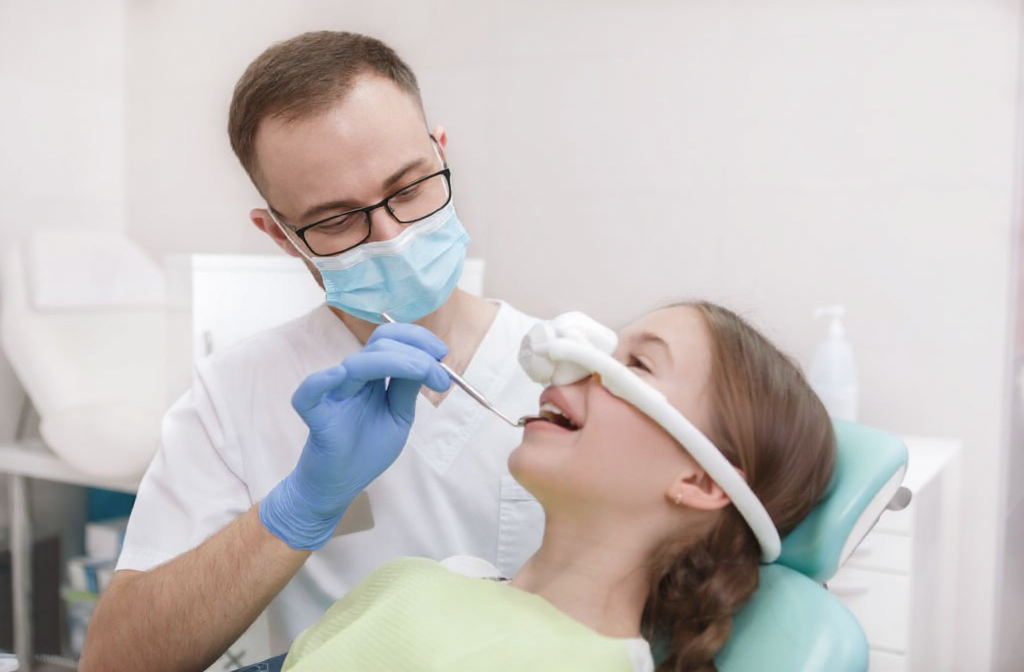
Nitrous Oxide: Recovery and Alertness Timelines
Nitrous oxide is a mild inhaled sedative mixed with oxygen. Administered through a small nasal mask, it provides deep relaxation and lowers anxiety without putting your teen to sleep. They remain fully conscious and responsive throughout the dental work.
A major medical benefit of nitrous oxide is its rapid clearance from the body. After the procedure, the dentist provides pure oxygen for about five minutes to flush the gas from your teen’s lungs completely. Because the drug leaves their bloodstream so quickly, they are typically able to drive after a root canal involving only nitrous oxide.
The table below outlines the general timeline for nitrous oxide recovery:
| Recovery Phase | Timeframe | Physical and Cognitive Status |
| Oxygen Flush | 5 Minutes | Gas is actively cleared from the lungs. |
| Observation | 10 to 15 Minutes | Mild dizziness fades completely. |
| Discharge | 20 Minutes | Full cognitive function is restored. Safe to commute. |
Always confirm with your dentist before leaving the building. They will perform a quick evaluation to ensure your reflexes are entirely back to normal.
>>> Read more: https://www.ada.org/resources/ada-library/oral-health-topics/nitrous-oxide
Oral and IV Sedation: Why a Designated Driver is Mandatory
Oral and IV sedation both deeply relax your teen and heavily depress their central nervous system. Because these powerful medications cause profound drowsiness, poor coordination, and impaired judgment, they are absolutely not able to drive after their appointment. The drugs remain active in their bloodstream for many hours.
You must arrange for a designated adult driver to bring them to the clinic and take them directly home. Do not let them operate vehicles or machinery for a full twenty-four hours while their body processes these sedatives.
Delayed Reaction Times and Cognitive Impairment Risk
Driving demands constant vigilance and rapid physical reflexes. Sedatives disrupt your teen’s brain chemistry and slow the transfer of electrical signals between neurons. This neurological delay creates highly dangerous driving conditions.
Their muscles receive commands at a much slower rate. A sedated driver takes significantly longer to recognize road threats and press the brake pedal. Furthermore, sedatives blur your peripheral vision and severely limit your ability to make safe choices behind the wheel.
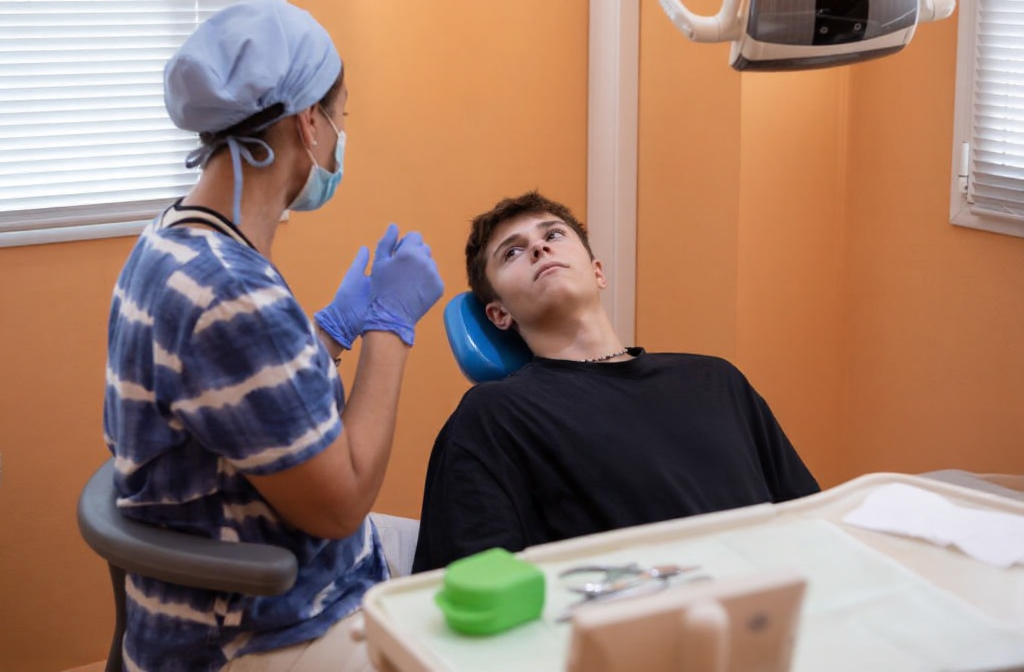
Signs It Is Unsafe to Get Behind the Wheel
Even if your teen planned to commute independently after receiving only local anesthesia, they must listen to their body post-treatment. Medical procedures occasionally produce unexpected biological responses. They need to monitor their physical state carefully before making the final decision to start their engine. Pay close attention to any physiological warning signs.

Persistent Dizziness or Visual Disturbances
Dizziness and visual disturbances are clear indicators that your teen’s brain and body are not ready for complex tasks. Getting up from the dental chair too quickly can cause orthostatic hypotension. This is a sudden drop in blood pressure that leads to intense lightheadedness. If the room feels like it is spinning, or if they feel unsteady on their feet, they should not approach their vehicle.
Visual changes also warrant immediate caution. Some patients experience blurred vision or extreme sensitivity to bright light after a stressful medical procedure. Driving requires perfect visual acuity to read traffic signals, spot pedestrians, and judge distances accurately. If their vision is blurry, double, or unfocused, they are facing a severe safety risk.
- Sit back down in the waiting area immediately.
- Drink cool water to hydrate your nervous system.
- Inform the front desk staff about their specific symptoms.
- Wait until their vision is clear and their balance is fully restored.
Managing Unexpected Post-Operative Pain Spikes
Endodontic therapy relieves infection pain, but your teen may feel new discomfort as the local anesthesia wears off. Dental instruments can inflame surrounding tissues and bruise ligaments. They might experience sharp sensitivity or a continuous ache.
Severe pain distracts them from road conditions. A sudden jolt of discomfort can cause them to lose concentration or jerk the steering wheel. Pain also triggers muscle tension, which noticeably reduces their overall reaction speed.
They should not take prescribed opioid pain relievers before their commute. These medications cause heavy drowsiness and severely impair motor skills. Tell them to wait until they are safely resting in bed to take those pain relievers. If the pain remains unmanageable, they should rely on a family member to drive them home safely.
>>> Read more: https://milesoflittlesmiles.com/root-canal-pain/
Schedule Your Pain-Free Consultation at Miles of Little Smiles
Planning your teen’s transportation and recovery strategy ensures a smooth and stress-free endodontic experience. Understanding how different medications affect the body allows you to make safe choices regarding their post-operative routine. Whether they require mild laughing gas or simply local numbing agents, prioritizing their safety on the road protects everyone.
At Miles of Little Smiles, our dedicated dental team prioritizes your teen’s comfort and safety from the moment they walk through our doors. We provide clear guidance on every single aspect of their treatment and recovery process. If your teen is experiencing tooth pain and suspects that they need an evaluation, do not wait for the dental issue to worsen. Contact Miles of Little Smiles today at 914-350-3496 to discuss your comfort options today.
