
Pediatric dental procedures often leave parents with questions about post-operative care and daily routines. If your little one recently received endodontic treatment to save a damaged or infected baby tooth, you are likely wondering how to manage their diet safely at home. Determining exactly how long after a root canal your child can eat depends on several clinical factors and their personal healing process.
At Miles of Little Smiles, we want to provide parents with clear guidance to ensure a smooth and comfortable recovery. Proper aftercare helps protect the treated tooth, prevents unnecessary discomfort, and promotes long-term oral health. This article will explain the feeding timeline for your child, the best food choices to offer, and the reasons why recovery times vary from patient to patient.
How Long After a Root Canal Can Your Child Eat?
The timeline relies heavily on the type of anesthesia used to numb the mouth and the specific restoration placed on the tooth. The primary goal is to prevent accidental injury while the mouth remains numb and to allow the dental materials to set properly before any biting forces are applied.
>>> Read more: https://my.clevelandclinic.org/health/treatments/10924-dental-restorations

Waiting for the Numbness to Wear Off
Local anesthesia is a standard and necessary part of pediatric root canal therapy. Dentists use these specialized medications to block pain signals from nerves inside the tooth and surrounding gum tissue. This numbness usually lasts for two to four hours after the dental procedure is fully complete. You must completely prevent your child from eating any solid foods during this specific window of time.
Children cannot feel their lips, tongue, or inner cheeks when their mouth is numb. If they try to chew food before normal sensation returns to these areas, they face a very high risk of biting their own soft tissues. These accidental bites can cause severe swelling, heavy bleeding, and significant pain once the local anesthetic finally wears off. You can safely offer clear liquids like water or diluted apple juice during this numb period. Make sure your child drinks from a regular cup rather than using a plastic or paper straw. The strong suction created by a drinking straw can sometimes dislodge temporary materials or disturb the sensitive healing site inside the mouth.
>>> Read more: https://www.colgate.com/en-us/oral-health/anesthesia/local-anesthesia
The First 24 Hours: What to Expect
Once the numbness fades completely and normal feeling returns to the face, your child can eat soft foods. The first 24 hours require a very gentle approach to eating and chewing. The gum tissues surrounding the treated tooth will likely feel tender from the dental instruments. A soft diet minimizes the physical pressure placed on the healing root and the newly placed filling or dental crown. We highly recommend serving foods that require minimal chewing effort to protect the surgical area.
Consider these safe and nutritious soft food options for the first day of recovery:
- Unsweetened applesauce
- Mashed potatoes with soft gravy
- Plain or fruit-blended yogurt
- Warm chicken or vegetable soup
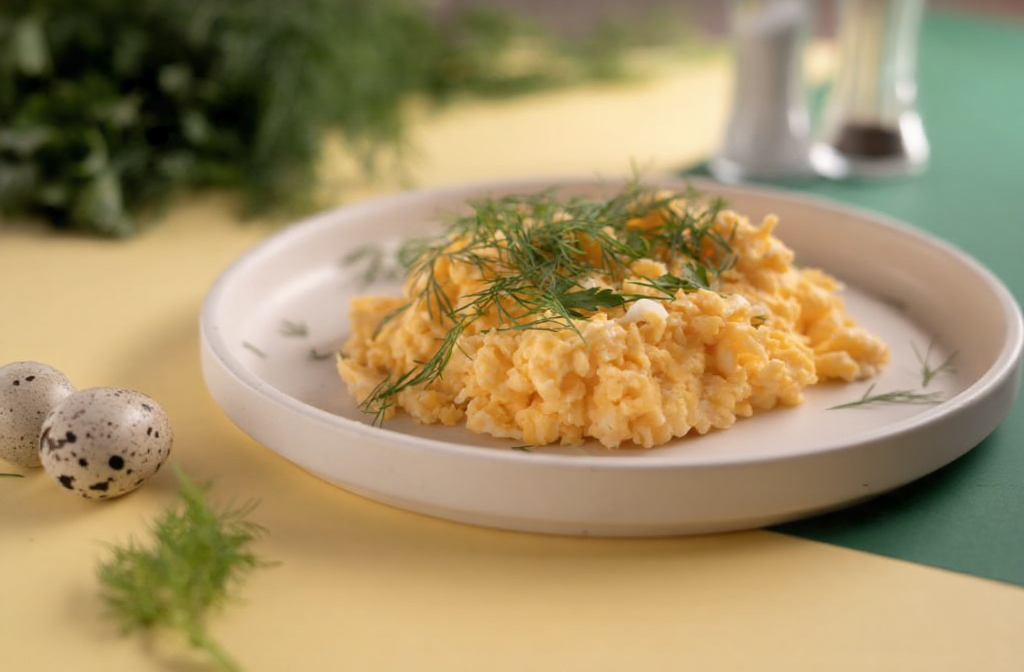
- Soft scrambled eggs
- Well-cooked oatmeal
- Macaroni and cheese cooked until very tender
Monitoring what your child eats during this initial period prevents structural damage to the fresh dental work.
Signs Your Child Is Ready for Solid Foods
Transitioning back to a regular diet is a gradual process that requires careful observation. You can determine if your child can eat solid foods by observing their behavior and asking them direct questions about their physical comfort level. A major sign of readiness is the complete absence of pain when biting down softly.
Have your child gently tap their top and bottom teeth together. If they do not feel a sharp pain or a heavy throbbing sensation in the jaw, they might be ready for more substantial meals. You should also check the visual appearance of the gums around the treated tooth. The swelling should be minimal or completely gone by the time they resume a normal diet. If your child eats a soft meal like pasta without any verbal complaints or signs of wincing, you can gradually introduce firmer items like baked chicken breast or soft steamed vegetables. Always supervise their meals closely during this transition phase to ensure they are not hiding any pain.
Safe Eating Habits Immediately Following the Procedure
Establishing safe eating habits immediately after the treatment protects the vulnerable tooth from structural failure. Even when the tooth no longer feels painful to the touch, the underlying jawbone and periodontal ligaments are still actively recovering from the dental work.

Why Chewing on the Opposite Side Is Essential
Your child must avoid chewing on the treated tooth during the early recovery phase. Recently placed restorations like temporary fillings or stainless steel crowns need time to settle securely. Biting directly on the affected side places excessive force on the fragile tooth. Chewing on the opposite side prevents the new restoration from cracking or dislodging. It also allows the underlying inflamed tissues to heal properly. Remind your child at the start of each meal to chew their food on the untreated side of their mouth.
Avoiding Extreme Temperatures and Sensitivity
Temperature sensitivity is a very common side effect of endodontic therapy in pediatric patients. The infected nerves inside the pulp chamber have been removed or altered by the dentist, but the surrounding gum tissues and the adjacent healthy teeth can still react strongly to hot and cold stimuli. Serving foods at standard room temperature is the absolute best way to avoid triggering this sharp discomfort.
Temperature guidelines for post-treatment meals:
- Avoid serving piping hot soups, freshly cooked pizza, or hot cocoa.
- Keep freezing items like ice cream, popsicles, and ice water off the menu for the first few days.
- Allow freshly cooked meals to sit on the counter and cool significantly before serving them to your child.
Managing Discomfort During Mealtime
Mealtime can sometimes trigger mild discomfort. You can manage this pain by providing appropriate over-the-counter medication about thirty minutes before eating. Ibuprofen or acetaminophen reduces natural gum inflammation and blocks pain signals. Always follow the specific dosage instructions based on your child’s weight. If your child still experiences pain while trying to eat after a root canal, switch back to a liquid or very soft diet for another full day. A warm saltwater rinse after meals will also soothe irritated gums and clear away food debris.
Factors That Affect Your Child’s Recovery Timeline
Every pediatric dental patient experiences a different recovery timeline. The exact time it takes before your child can eat normally depends on several distinct variables. These factors explain why each child requires a personalized waiting period and why broad generalizations do not apply to every single case.
The Type of Permanent or Temporary Filling Used
The specific dental materials used by the dentist directly dictate how soon your child can eat normal meals. Different compounds require different setting times to reach their maximum durability.
| Material Type | Setting Time | Dietary Restrictions |
| Temporary Filling | Takes several hours to harden | Soft foods only; strictly avoid sticky candies |
| Composite Resin | Cures instantly with a UV light | Normal diet permitted after numbness fully fades |
| Stainless Steel Crown | Cement requires hours to cure | Avoid hard or crunchy foods for a full 24 hours |
>>> Read more: https://milesoflittlesmiles.com/restorative-dentistry/
Individual Sensitivity and Healing Rates
Biological healing rates vary from one child to another. Children with high pain tolerances might feel completely ready for solid foods by dinner on the same day. Others experience more swelling and sensitivity from the procedure and need more time to recover. A child with dental anxiety might also hesitate to eat out of fear. You must listen to your child and respect their physical pace. Forcing solid foods too early can cause unnecessary setbacks in their healing process.
Post-Treatment Irritation of the Gums
The gums surrounding the treated tooth often experience minor trauma during the procedure. The metal clamp used to hold the dental dam frequently leaves the tissue feeling bruised and sore. Additionally, the anesthetic injection site might feel tender for a day or two. This soft tissue irritation makes chewing painful even when the tooth itself feels fine. If the gums appear red or swollen, stick to a soft diet to avoid aggravating these sensitive spots. Your child can resume eating solid foods once the tissues heal and return to a normal pink color.
Expert Pediatric Dental Care at Miles of Little Smiles
Protecting your child’s oral health requires the right professional guidance and a supportive clinical environment. At Miles of Little Smiles, our dedicated team provides gentle and compassionate pediatric dental care designed specifically for growing children. We completely understand that procedures like root canals can cause anxiety for both parents and their little ones. Our knowledgeable staff takes the time to explain every step of the dental process and provides incredibly clear instructions for at-home care. We ensure you leave our dental office knowing exactly how to manage your child’s diet and physical comfort levels.
Contact Miles of Little Smiles today at 914-350-3496 to schedule your next appointment and learn more about our pediatric dental services today.
