
Most parents assume the first dental visit for a baby happens once a full set of teeth appears. But waiting that long can mean missing early signs of decay, feeding-related oral problems, or developmental concerns that are far easier to address in infancy. At Miles of Little Smiles, we help White Plains families decide whether now is the right time to book or if watching and waiting still makes sense.

Age-One Rule and Why the First Visit Is Preventive
The American Academy of Pediatric Dentistry recommends that every child visit a dentist by age one or within six months of the first tooth erupting, whichever comes first. This infant’s first dental visit is not about drilling or filling. It is a baseline assessment designed to catch risk factors before they turn into actual problems.
During this visit, the dentist looks at:
- Gum tissue health and any signs of early enamel changes
- Bite alignment and jaw growth patterns
- The effect of feeding habits (bottle, breast, or pacifier) on oral development
- Bacterial transfer risks from caregivers
Treating the age-one dental visit as preventive rather than reactive sets the tone for every dental experience your child will have going forward.

Signs to Book Sooner: Spots, Feeding Issues, Injury, Sensitivity
Some babies show warning signs well before their first birthday. If you notice any of the following, schedule a baby’s first dentist appointment right away rather than waiting for the one-year milestone.
| Warning Sign | What It Could Mean |
| White or brown spots on emerging teeth | Early childhood caries (tooth decay) |
| Refusal to nurse or take a bottle | Oral pain, tongue-tie, or tissue restriction |
| Swollen or bleeding gums | Infection or irritation from eruptive cysts |
| A fall or bump to the mouth | Tooth displacement, root fracture, or soft tissue tear |
| Persistent fussiness during feeding | Palate issues or an undiagnosed lip-tie |
>>> Read more: https://my.clevelandclinic.org/health/diseases/24042-submucous-cleft-palate
Any of these signals means your child may benefit from evaluation sooner than the standard timeline suggests.
>>> Read more: https://www.healthline.com/health/narrow-palate#symptoms
Does No Tooth Yet Mean You Can Wait?
Not necessarily. Even before teeth erupt, a dentist can evaluate gum ridges, tongue mobility, lip attachments, and the overall shape of the palate. These structures influence feeding, speech development, and how teeth will eventually come in.
If your baby is approaching 12 months with no visible teeth, a visit is still worthwhile. Late eruption is usually normal, but a brief exam can confirm there are no underlying developmental delays or missing tooth buds. The idea that when a baby first sees a dentist depends entirely on visible teeth is a common misconception.
What Can the First Visit Prevent
Early dental visits are designed to interrupt problems at the earliest possible stage. Here is what a single preventive appointment can help avoid:
- Early childhood caries (cavities)
The dentist identifies demineralization before it becomes a cavity and recommends fluoride varnish or dietary changes.
- Prolonged bottle or nursing habits
Guidance on weaning timing reduces the risk of “bottle rot” patterns on upper front teeth.
- Airway and breathing concerns
Mouth breathing, snoring, and tongue posture issues can be flagged early.
- Anxiety about dental care
A positive first experience builds familiarity so future visits feel routine, not frightening.
- Costly restorative work later
A preventive visit that costs a standard copay can save families thousands in future treatment.
Best Questions to Ask at the Appointment
Walking in with a short list of questions helps you get the most from the visit. Consider asking:
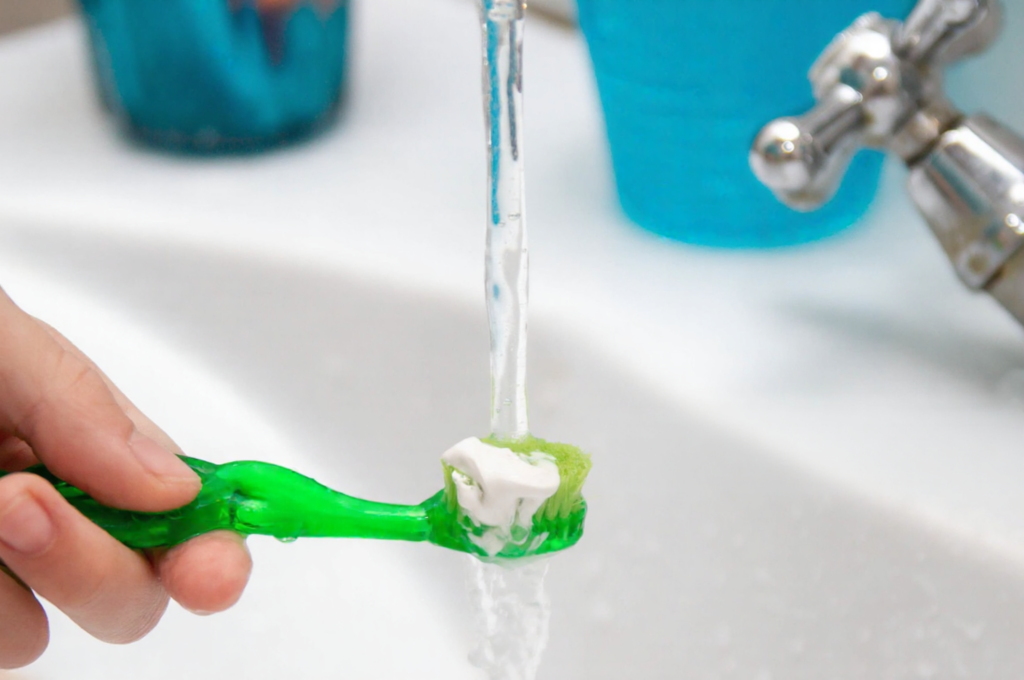
- At what age should we introduce fluoride toothpaste, and how much?
- Is my child’s eruption pattern on track?
- Are there signs of tongue-tie or lip-tie that could affect speech?
- How should we handle nighttime bottles or nursing from a dental standpoint?
- What is the recommended visit frequency after this initial exam?
- Should we be concerned about thumb-sucking or pacifier use at this stage?
Having your first dental visit questions prepared in advance ensures nothing gets overlooked during a short appointment window.
>>> Read more: https://milesoflittlesmiles.com/fluoride-vs-sealants/

What Usually Happens at a Baby Visit
A baby dental visit is much shorter and simpler than an adult cleaning. Here is what a typical appointment at Miles of Little Smiles looks like:
- Lap-to-lap exam
The parent sits knee-to-knee with the dentist, and the baby reclines across both laps. This position keeps the child close to a familiar face while giving the dentist a clear view.
- Visual and tactile exam
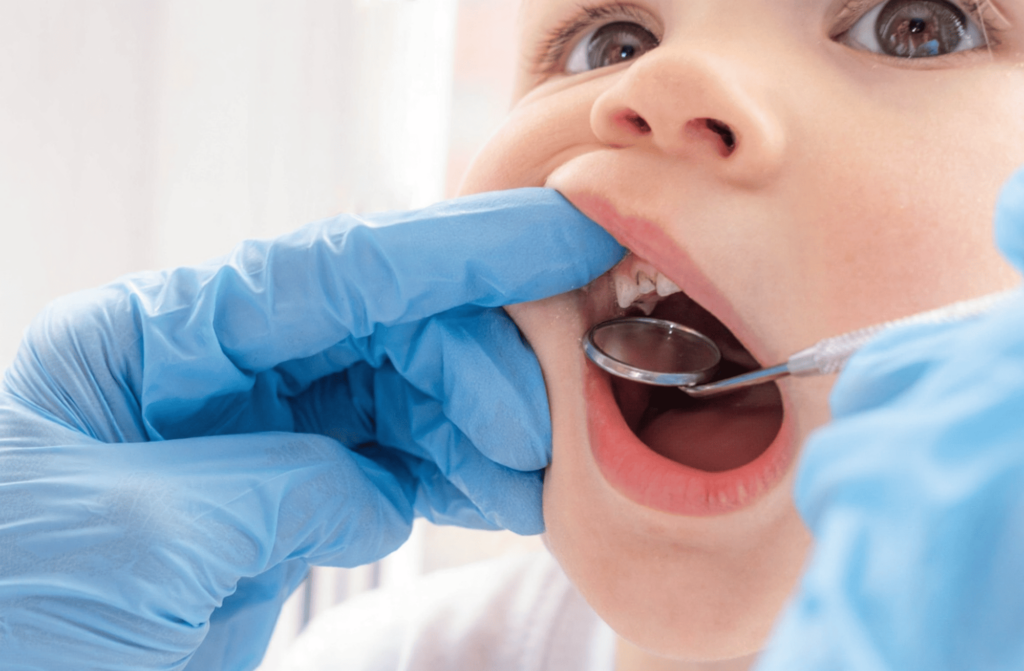
The dentist uses a small mirror and gloved fingers to check teeth, gums, tongue, and palate. No sharp instruments are involved at this stage.
- Gentle cleaning
If teeth are present, a soft brush or gauze is used to remove any buildup.
- Fluoride varnish (if appropriate)
A thin coat of fluoride may be painted on erupted teeth to strengthen enamel.
- Parent education
The dentist walks you through brushing techniques, dietary recommendations, and a timeline for the next visit.
The entire process usually takes 15 to 20 minutes.

How to Prepare Around Naps, Meals, and Mood
A well-timed appointment makes a big difference in how smoothly the visit goes. Use these guidelines:
- Schedule around peak alertness. Mid-morning, about an hour after a nap, tends to work best for most infants.
- Avoid booking right after a meal. A full stomach combined with a reclined position can cause spit-up or fussiness.
- Bring a comfort item. A favorite blanket or small toy gives your baby something familiar to hold.
- Stay calm yourself. Babies pick up on caregiver stress. A relaxed parent usually means a relaxed child.
- Skip the detailed preview. Babies do not benefit from verbal explanations the way toddlers do. Just keep the mood light and positive.
When This Becomes a Problem-Focused Visit
A preventive visit shifts to a problem-focused visit when the dentist identifies active decay, infection, structural abnormalities, or trauma. At that point, the conversation moves from monitoring to treatment planning. Signs that a visit has crossed into problem territory include:
- Visible cavities or soft spots in enamel
- An abscess or swelling near the gumline
- A tooth knocked loose or displaced by injury
- Tissue restrictions severe enough to affect feeding or weight gain
If your baby’s visit does reveal a concern, the team at Miles of Little Smiles will walk you through the next steps clearly, including what can wait and what needs prompt attention.
Book Your Baby’s First Preventive Visit
Whether your child already has teeth or you are still waiting for the first one to appear, now is a great time to schedule preventive pediatric dental care with a team that specializes in infants and young children. If you have first dental visit questions or concerns about feeding, teething, or oral development, the team at Miles of Little Smiles is ready to help.
Contact Miles of Little Smiles at 914-350-3496 to book your child’s first visit or to discuss any timing or feeding-related concerns with our office.
