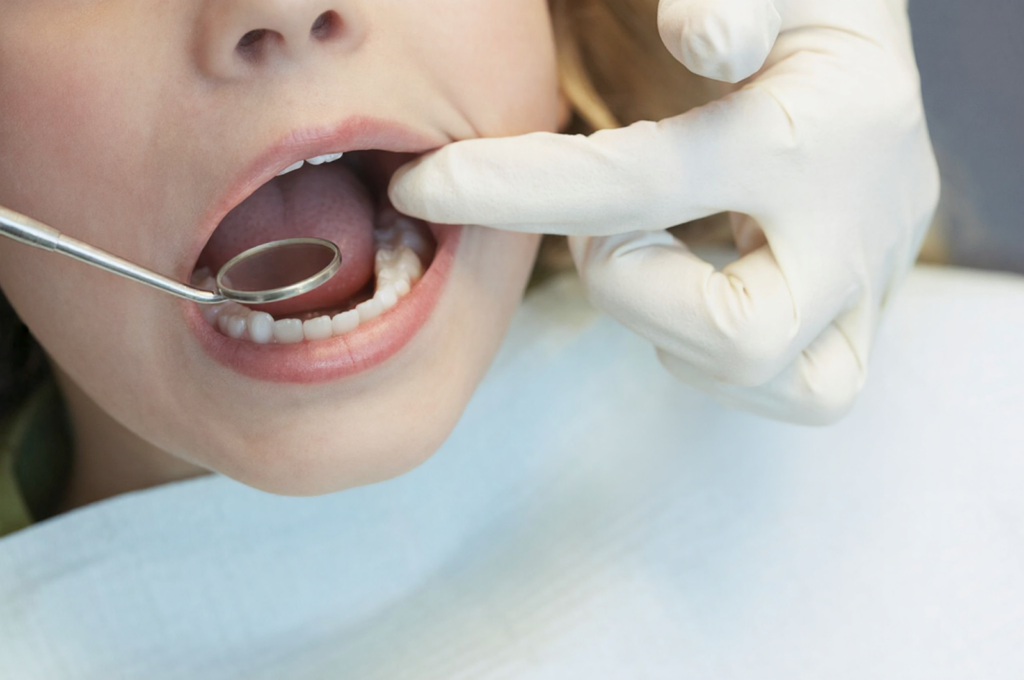
Most parents expect to hear about sealants at some point during childhood, but few expect the conversation to start at age six. When those first permanent molars appear, the window for protecting them is smaller than you might think. At Miles of Little Smiles, one of the most common questions we hear from families is whether 6-year molars should get sealants right away or if there is time to wait. The answer depends on what is actually happening inside your child’s mouth at that moment.
H2: Why 6-Year Molars Get Missed More Often Than Parents Realize
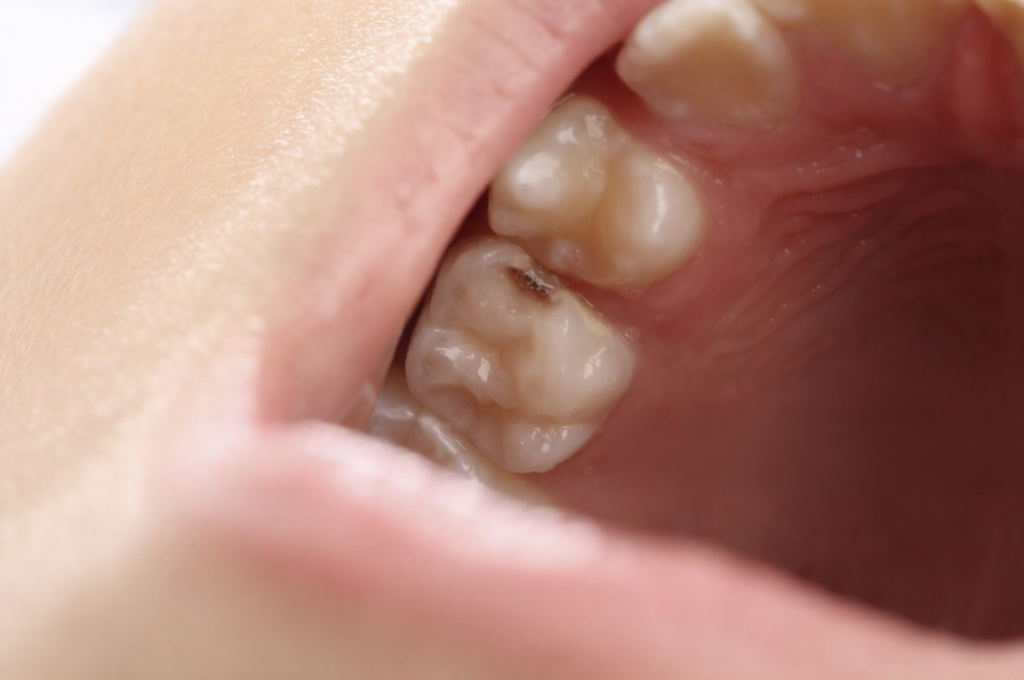
Six-year molars do not replace baby teeth. They emerge behind the last primary molar, which means there is no wiggly tooth to signal that something new is coming in. Many parents do not realize a permanent tooth has arrived until a dentist points it out or a cavity has already formed.
>>> Read more: https://www.nurturelife.com/blog/6-year-molars/?srsltid=AfmBOoo4vy5HMKGfDono5lITDphj4N8myk0AM8Licc6AEodUGB6H2ZEE&tierset=A
Several factors make these teeth easy to overlook:
- No visible gap or lost tooth beforehand. The molar simply pushes through the gum tissue at the back of the arch.
- Partial eruption can last weeks or months. A flap of gum tissue may cover part of the chewing surface, hiding early signs of trouble.
- Children at this age often brush unevenly. A six-year-old’s toothbrush may never fully reach the most posterior tooth in the mouth.
Because the first permanent molars sit in a hard-to-see, hard-to-clean location, they are among the most cavity-prone teeth in the entire mouth. That is exactly why dental sealants for 6-year molars come up so early.
The Real Decision Is Timing, Not Whether Sealants Are Good
Research consistently shows that sealants reduce the risk of decay on the chewing surfaces of molars. That part of the discussion is well settled. The more practical question is when the sealant should be placed, and whether the tooth is ready to receive one.
Should 6-year molars get sealants the moment they appear? Not always. A sealant bonds best to a clean, dry, fully erupted surface. If part of the tooth is still under gum tissue, or if the child cannot keep the area dry during placement, the sealant may not adhere properly and could fail early.
The real decision is about readiness, not about the value of sealants themselves. The goal is to seal each molar at the right stage of eruption so the material stays in place for years rather than peeling off within months.
What a Pediatric Dentist Actually Checks Before Recommending Sealants
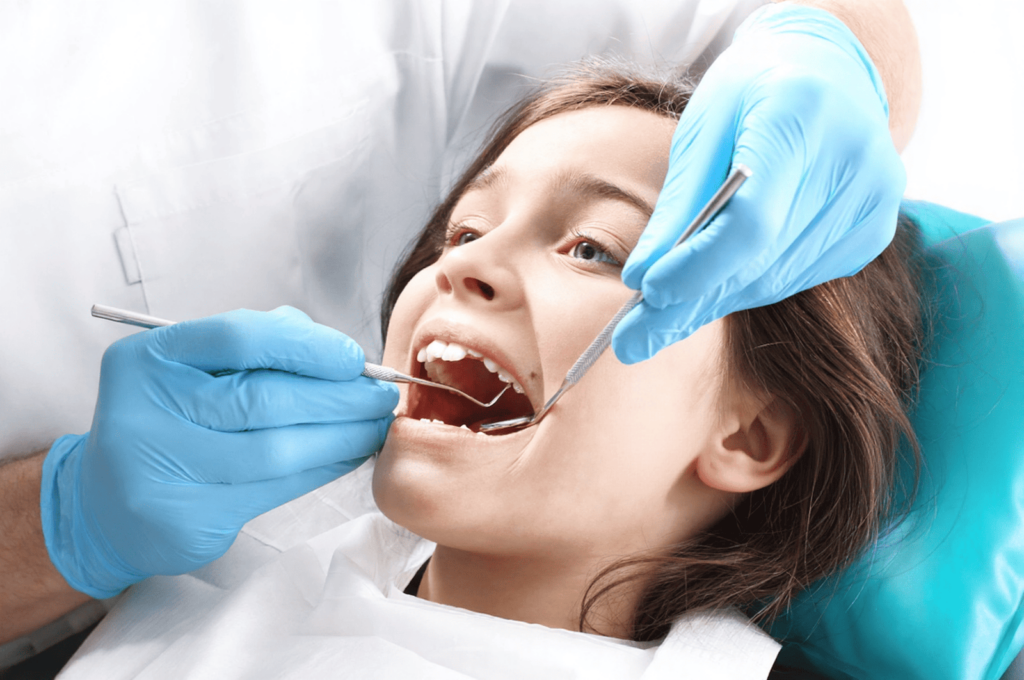
Before placing a sealant, a pediatric dentist evaluates several specific factors. Here is what that assessment typically involves:
| Factor Checked | Why It Matters |
| Eruption status | A tooth still partially covered by gum tissue cannot be isolated and dried properly for bonding. |
| Groove anatomy | Deep, narrow pits and fissures trap bacteria more easily and benefit most from sealants. |
| Existing decay | If a cavity has already started, a preventive sealant alone will not be enough. |
| Patient cooperation | The child needs to hold still and keep the mouth open long enough for proper placement. |
| Moisture control | Saliva contamination during bonding weakens adhesion and leads to early sealant failure. |
A well-timed sealant that bonds securely can protect the chewing surface for several years. A poorly timed one may chip or wash out and give a false sense of security.
>>> Read more: https://my.clevelandclinic.org/health/treatments/10912-sealants
When Monitoring for a Short Interval Is Smarter Than Sealing the Same Day
There are situations where a short monitoring period makes more sense than rushing to seal a tooth during the same visit. These include:
- The tooth is only partially erupted. If gum tissue still overlaps the chewing surface, moisture control is difficult and the bond will be compromised.
- The child is anxious or unable to cooperate. A sealant placed under poor conditions is worse than no sealant at all, because the parent may assume the tooth is protected when it is not.
- The tooth has been erupting for less than a few weeks. Waiting for full eruption and scheduling a short follow-up visit often produces a better long-term result.
In these cases, the dentist may recommend a recheck in four to eight weeks. That brief waiting period allows the tooth to finish erupting while the family focuses on keeping the area clean in the meantime. This is a common and well-reasoned approach to dental sealants for kids, not a sign that anything is wrong.
If One New Molar Already Looks Questionable, What Can That Mean for the Others?
Children typically get four first permanent molars around the same time, one in each quadrant. These teeth do not all erupt at the same rate. It is common for one molar to be fully in while another is still breaking through the gums.
If one of those molars already shows signs of early demineralization or has unusually deep grooves, it may suggest that the remaining molars carry a similar risk. The pediatric dentist will often use this information to plan a proactive schedule for the others, sealing each tooth as soon as it is fully erupted and accessible.
This kind of individualized approach to first permanent molars sealants is exactly what separates a thoughtful prevention plan from a one-size-fits-all checklist.
Sealants and Fluoride Do Different Jobs
Parents sometimes wonder if fluoride treatments make sealants unnecessary, or the other way around. In reality, these two tools protect teeth in completely different ways.
| Dental Sealants | Fluoride | |
| What it does | Creates a physical barrier over pits and grooves on the chewing surfaces | Strengthens enamel and helps resist acid attacks on all tooth surfaces |
| Where it works | Chewing surfaces of molars only | All surfaces, including smooth sides and areas between teeth |
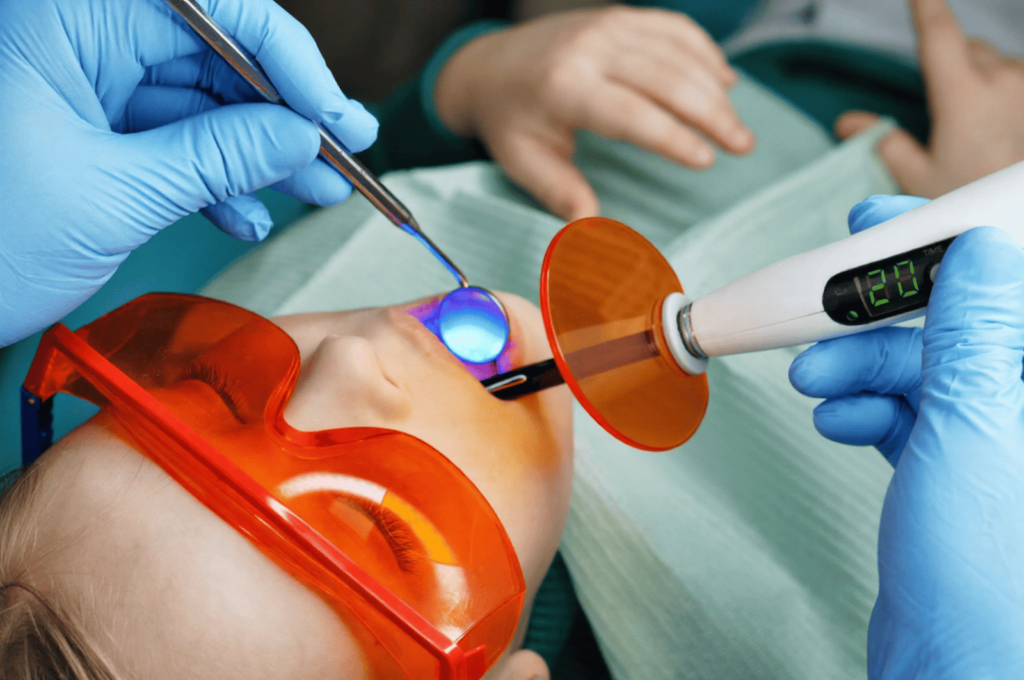
| How it is applied | Painted onto a dry tooth surface, then hardened with a curing light | Applied as a varnish, rinse, or included in toothpaste and drinking water |
| Duration | Can last several years with proper placement | Needs regular reapplication |
Fluoride and sealants work together. One does not replace the other. For most children, the best preventive strategy includes both.
>>> Read more: https://milesoflittlesmiles.com/fluoride-vs-sealants/
Questions Worth Asking at the Next Checkup
If your child is around age six or has recently had new molars come in, here are a few questions worth raising with the dentist:
- Have any of the 6-year molars started to come in, and are they fully erupted?
- Are the grooves on these teeth deep enough to benefit from sealants?
- Is the tooth dry enough and accessible enough for a sealant to bond well today?
- Should we wait a few weeks and come back for placement once the eruption is complete?
- Are there any early signs of demineralization on the new molars?
These questions help you and your dentist make a shared decision about when sealants should happen, not just whether they should.
Schedule a Preventive Visit at Miles of Little Smiles
Dental sealants for kids are one of the simplest and most effective forms of preventive dental care for children, but only when placed at the right time on a properly erupted tooth. If your child’s 6-year molars have started to appear, or if you are not sure whether they have, now is a good time to schedule a visit.
At Miles of Little Smiles, our team can evaluate whether your child’s new molars are ready for sealants today or whether a short monitoring period and a follow-up appointment would set them up for a better outcome. Call our office or book online to get your child’s first permanent molars checked and protected at the right time.
