
Not every cavity in a child’s mouth calls for an immediate filling. In some situations, a liquid called silver diamine fluoride (SDF) can arrest decay and buy valuable time. In others, a filling is the only way to restore what the tooth has already lost. At Miles of Little Smiles, our team helps parents understand exactly where their child’s cavity falls on that spectrum so the treatment plan matches the actual problem.
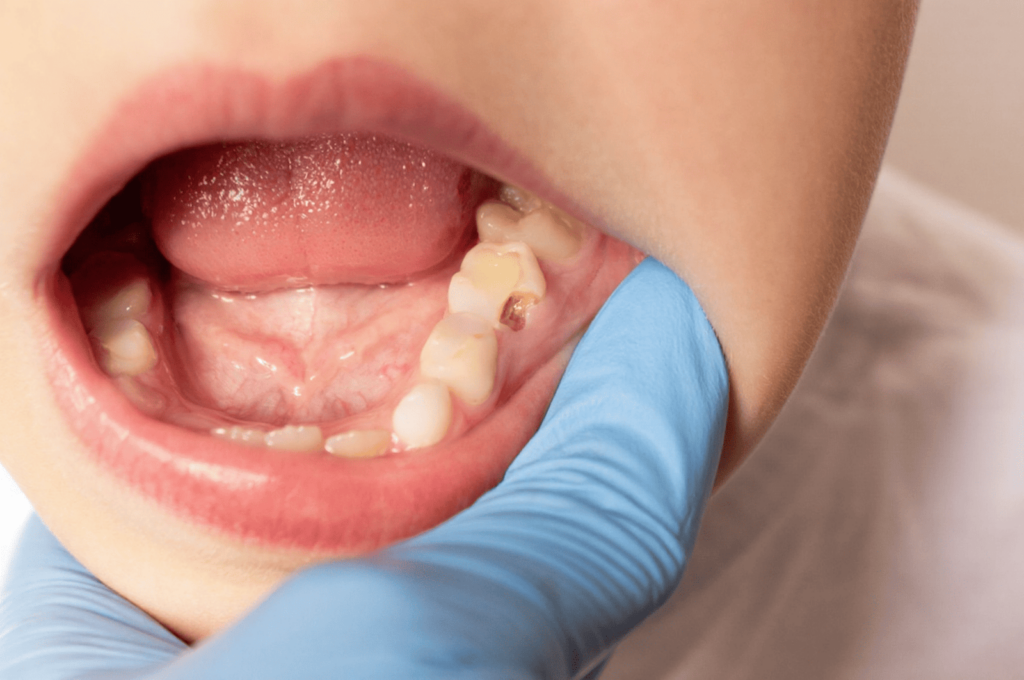
Why Small Cavity Is Often an Oversimplification
Parents frequently hear “your child has a small cavity” and assume the fix is straightforward. But two cavities that look similar on an X-ray can behave very differently depending on several factors:
- Location on the tooth. A pit on a chewing surface behaves differently from decay between two teeth.
- Proximity to the nerve. Shallow decay in enamel carries less urgency than a lesion approaching the pulp.
- Whether the tooth is a baby tooth or a permanent tooth. The timeline before natural shedding matters.
- The child’s age and ability to cooperate. A three-year-old and a seven-year-old present very different clinical scenarios.
Labeling a cavity “small” without considering these variables can lead families toward a one-size-fits-all decision that may not serve the child well.
>>> Read more: https://www.hopkinsmedicine.org/health/conditions-and-diseases/tooth-decay-caries-or-cavities-in-children

When the Smarter Goal Is to Slow Disease Safely Instead of Restoring the Tooth Immediately
Silver diamine fluoride works by killing bacteria in decayed tooth structure and hardening the softened surface so the lesion stops progressing. It does not rebuild missing tooth structure. That distinction matters because SDF is most useful when the goal is disease control rather than structural restoration.
SDF tends to be a strong option when:
- The cavity is shallow and has not broken through to dentin significantly.
- The affected tooth is a baby tooth that will shed within one to two years.
- The child is very young, pre-cooperative, or has medical conditions that make sedation or lengthy chair time risky.
- Multiple teeth show early decay, and treating them all with fillings in one visit is not realistic.
In these cases, applying SDF can pause the disease process and give the child time to mature, making future treatment safer and simpler.
>>> Read more: https://milesoflittlesmiles.com/silver-diamine-fluoride/

When a Filling Usually Addresses the Real Problem Better
A filling removes decayed tissue and replaces it with a material that restores the tooth’s shape, strength, and function. That restoration becomes necessary when the cavity has progressed beyond what SDF alone can manage.
| Situation | Why a Filling Is Preferred |
| Cavity has created a visible hole or broken tooth structure | SDF cannot rebuild lost anatomy |
| Decay sits between teeth where food traps constantly | A filling seals the contact area and stops food impaction |
| The tooth is a permanent one with decades of service ahead | Long-term structural integrity matters more |
| The child reports pain when chewing or sensitivity to temperature | Symptoms suggest the decay is affecting deeper layers |
| The lesion is close to the pulp on X-ray | Delay risks infection or the need for more invasive treatment |
When a cavity has already compromised how a tooth functions, silver diamine fluoride vs filling for kids becomes a clearer decision in favor of the filling.
>>> Read more: https://milesoflittlesmiles.com/prepare-child-for-cavity-filling-what-to-say/
The Stain Question Parents Should Think Through Before Choosing SDF
SDF permanently stains decayed tooth structure black. Healthy enamel is not affected, but any area where the liquid contacts active decay will darken. For a baby molar that no one sees, this is rarely a concern. For a front tooth in a school-age child, the cosmetic result can be significant.
Parents should ask themselves:
- Is the affected tooth visible when my child smiles or talks?
- How does my child feel about the appearance of their teeth?
- Would the stain create social discomfort during the years the tooth remains?
There is no wrong answer here. Some families accept the stain willingly because avoiding a filling at age two is worth the tradeoff. Others prefer a tooth-colored restoration that keeps the smile unchanged.

Choosing SDF Also Means Choosing Follow-Up
SDF is not a single-appointment cure. The treated tooth needs monitoring at regular intervals to confirm the decay has stayed arrested. In many protocols, a second SDF application is recommended two to four weeks after the first, with reapplication every six months.
If the lesion reactivates or the tooth develops new symptoms, the plan may shift toward a filling later. Families choosing SDF should expect ongoing observation rather than a permanent fix.
Why the Answer May Differ for Baby Teeth and Permanent Teeth
Baby teeth have thinner enamel and larger pulp chambers relative to their size. Decay can reach the nerve faster than parents expect. However, baby teeth also have an expiration date. A baby molar due to fall out in 12 months presents a very different risk calculation than a six-year molar that needs to last a lifetime.
For permanent teeth, most pediatric dentists lean toward fillings when decay is confirmed, because the long-term cost of delay can include root canal therapy or extraction. SDF on a permanent tooth is sometimes used as a temporary measure when a child cannot tolerate a filling that day, but the intent is almost always to place a definitive restoration once cooperation improves.
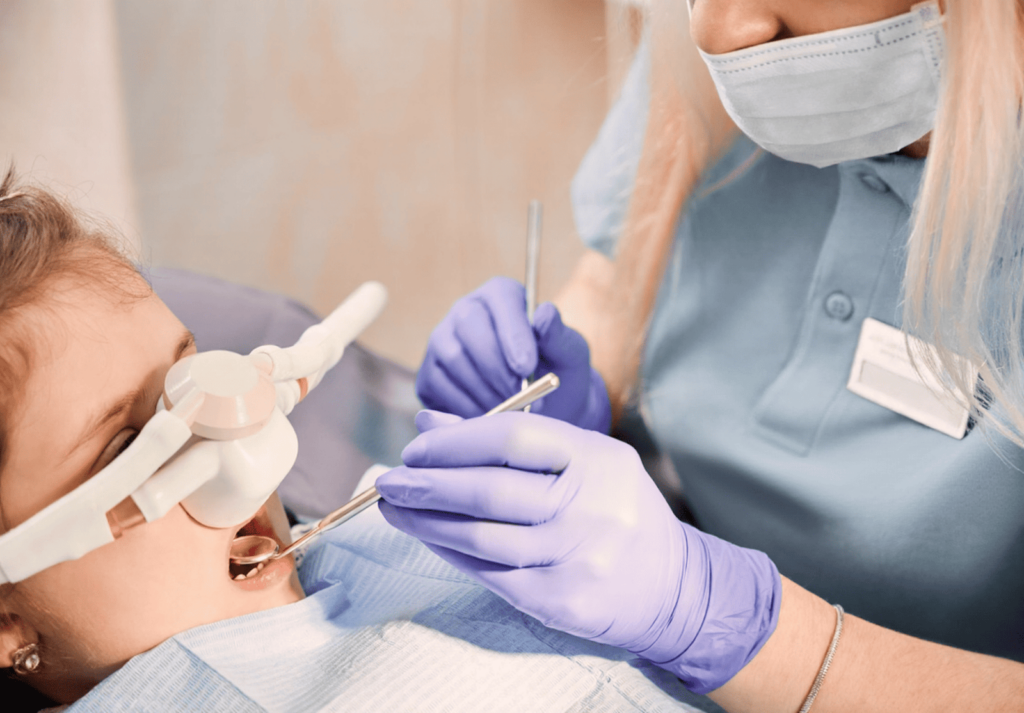
If Treatment Tolerance Is Poor, Should the Priority Be Comfort Now or Durability Over Time
An anxious child who cannot sit still for a filling presents a genuine clinical challenge. Forcing treatment under physical restraint can create lasting dental fear. SDF offers a way to treat the disease without the stress of drilling, and for many cavity treatment plans involving anxious children, that breathing room changes everything.
But comfort in the short term should not come at the expense of a tooth that genuinely needs restoration. When decay is deep or symptoms are present, sedation dentistry or general anesthesia may be safer paths than repeated SDF applications on a tooth that continues to break down. The team at Miles of Little Smiles evaluates each child’s anxiety level alongside the clinical findings to recommend the approach that protects both emotional wellbeing and dental health.
>>> Read more: https://milesoflittlesmiles.com/choosing-special-needs-pediatric-dentist-white-plains/
Questions That Clarify the Real Objective Before Saying Yes
Before committing to SDF or a filling, ask your child’s dentist:
- How deep is this cavity on the X-ray, and how close is it to the nerve?
- Is this a baby tooth, and if so, when is it expected to fall out?
- If we choose SDF today, what is the likelihood my child will still need a filling later?
- Will the stain be visible when my child smiles?
- Is my child’s behavior likely to improve enough for a filling at the next visit?
These questions move the conversation past “SDF or filling” and toward the answer that actually fits your child’s situation.
Let Us Help You Decide What Your Child’s Cavity Actually Needs
At Miles of Little Smiles, we offer both silver diamine fluoride for children and pediatric dental fillings because no single approach works for every child. Schedule an exam so we can evaluate your child’s cavity in person and recommend whether SDF or a filling is the better fit. If the cavity can be managed conservatively before it needs a bigger fix, we will tell you that too. Call our White Plains office or book online to get started.
