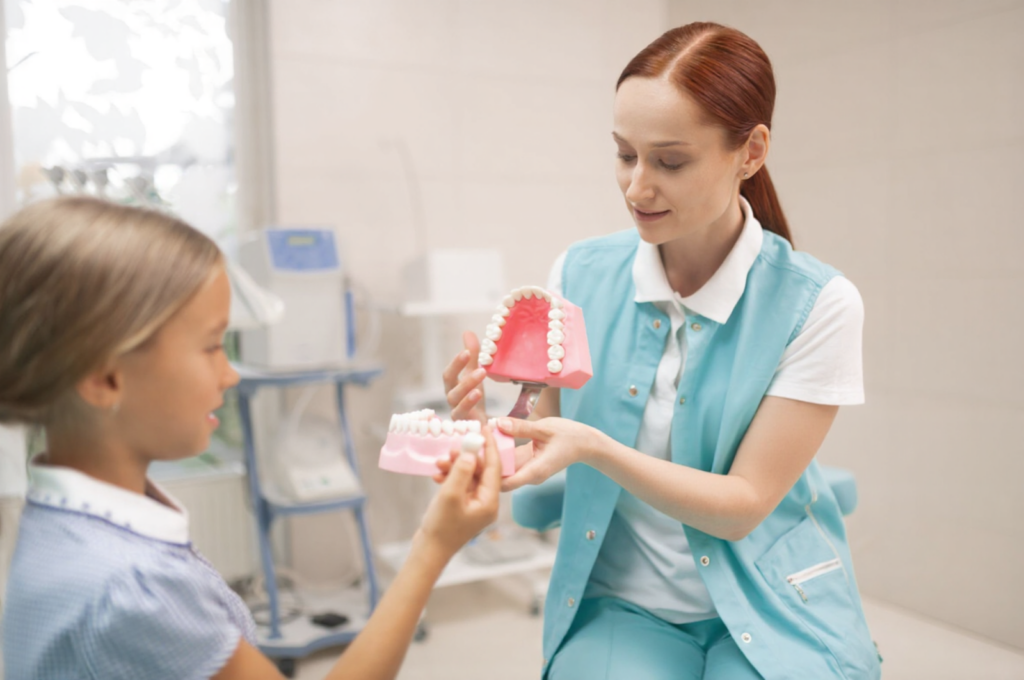
Finding a pediatric dentist for special needs in White Plains requires more than picking the nearest office with an open appointment. For children with autism, sensory processing differences, or dental anxiety, the environment, communication style, and willingness to adapt all affect whether a visit goes smoothly or becomes a source of stress. At Miles of Little Smiles, we encourage parents to look beyond convenience and focus on how well an office can meet their child’s specific needs.

Start With Fit, Not Just Availability
Many parents begin their search by looking at which offices accept their insurance or have the earliest opening. While those factors matter, they should not be the only considerations when choosing a sensory-friendly dentist for kids.
A better starting point is understanding how an office approaches patients who need more time, modified sensory input, or adjusted communication. Some children are overwhelmed by overhead lights. Others cannot tolerate the sound of suction tools. A child with autism may need visual schedules or verbal previews of each step before it happens.
The right pediatric dentist for an anxious child will have systems in place to address these concerns rather than treating them as afterthoughts. Before booking, it is worth spending time evaluating whether the office culture and clinical approach align with your child’s profile.
>>> Read more: https://americanspcc.org/helping-your-child-overcome-dental-anxiety-a-positive-parenting-approach/
Questions to Ask Before Scheduling
A short phone call before your first appointment can reveal a lot about whether an office is prepared to support your child. Consider asking:
- How does the office handle patients with sensory sensitivities or autism?
- Can appointments be scheduled during quieter times of day?
- Is the team trained in behavior guidance techniques for children with anxiety?
- Are parents allowed to stay in the treatment room during the visit?
- Does the office offer pre-visit tours or meet-and-greet appointments?
- What happens if a child becomes distressed during treatment?
The answers to these questions will tell you more about office readiness than a website or online review ever could.
What Information Helps the Office Prepare
Sharing details about your child before the appointment allows the dental team to plan ahead and reduce surprises. The more specific you can be, the better prepared the team will be.
| Information to Share | Why It Helps |
| Specific sensory triggers (lights, sounds, textures) | Allows the team to adjust equipment and room setup |
| Preferred communication style (visual, verbal, simplified) | Helps the provider match explanations to your child’s processing |
| Calming strategies that work at home | Gives the team tools they can use during the visit |
| Previous dental experiences (positive or negative) | Helps anticipate reactions and avoid repeating past problems |
| Medications or medical conditions | Affects treatment planning and sedation considerations |
| Whether your child uses a comfort item or a weighted blanket | Lets the office accommodate familiar objects in the room |
An autism dentist in White Plains who welcomes this kind of advance communication is more likely to create a positive experience from the start.
What a Better First Visit May Look Like
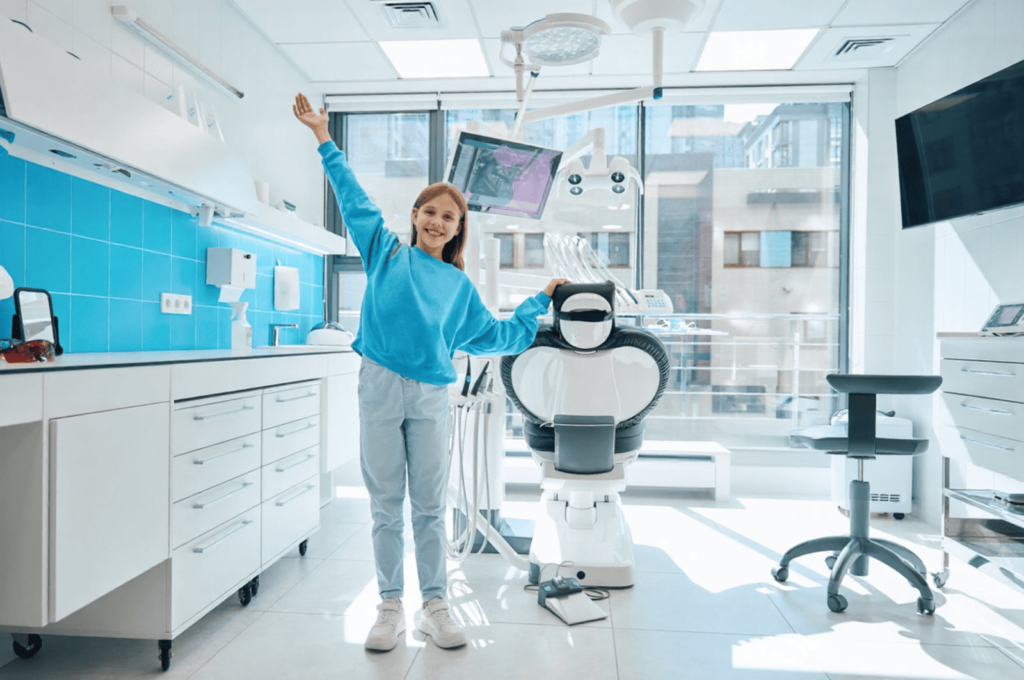
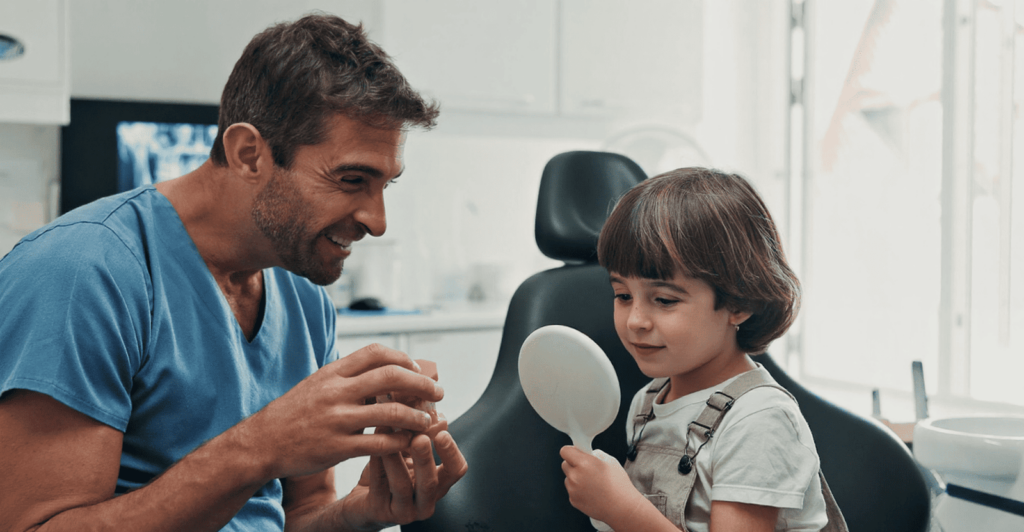
A well-planned first visit for a child with dental anxiety or sensory needs often looks different from a standard appointment. Instead of jumping straight into an exam, a lower-stress visit might include:
- A brief tour of the office to introduce the space
- Time spent sitting in the chair without any instruments
- A simple counting of teeth with a mirror only
- A conversation between the dentist and the child at eye level
- The option to stop at any point without pressure to continue
This type of approach prioritizes building familiarity and trust over completing a checklist. For many children, a gradual introduction to the dental environment produces better long-term outcomes than rushing through a full exam on day one.
>>> Read more: https://my.clevelandclinic.org/health/diseases/22594-dentophobia-fear-of-dentists

Signs an Office May Be a Good Fit
When evaluating a special needs dentist for kids, look for indicators that the practice is genuinely set up to support different needs rather than simply claiming to welcome all patients.
- Staff members ask about your child’s needs before the visit rather than only reacting during it
- The waiting area is calm, with options for reduced stimulation
- The team uses a tell-show-do approach and checks in with your child throughout the appointment
- Scheduling allows for longer appointment blocks when needed
- The dentist is willing to adjust the treatment plan based on your child’s tolerance that day
- Parents are treated as partners in the process rather than observers
>>> Read more: https://milesoflittlesmiles.com/special-needs-pediatric-dentist-white-plains/
Signs It May Not Be the Right Fit
Not every office is equipped to serve children with autism, sensory differences, or significant anxiety. That is not a judgment against those offices, but it is useful information for parents.
- The staff seems rushed or unwilling to slow the pace of the appointment
- There is no process for collecting information about your child’s needs in advance
- The waiting room is loud, bright, and crowded, with no alternative
- The team uses physical restraint as a first response rather than a last resort
- Your concerns about triggers or accommodations are dismissed or minimized
- The office is unwilling to schedule a meet-and-greet or introductory visit
If you notice these patterns, it may be worth continuing your search for a White Plains autism dentist whose approach better matches your child’s needs.
When Calming Support May Be Part of Treatment Planning
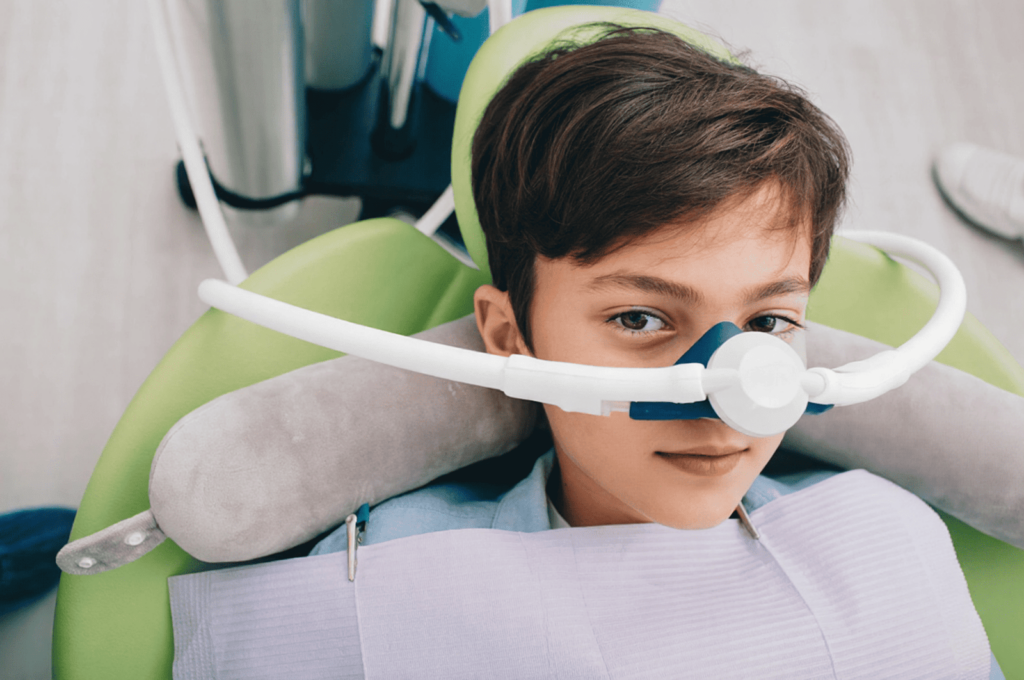
Some children need more support than behavioral strategies alone can provide. In those situations, a pediatric dentist may recommend options such as nitrous oxide (laughing gas) or, in more involved cases, sedation dentistry.
These decisions should always involve a thorough conversation between the dentist and the parent. A qualified provider will explain:
- Why calming support is being recommended for a specific procedure
- What the options are and how each one works
- What the risks and benefits look like for your child’s age and health history
- How the child will be monitored throughout the visit
Calming support is not a shortcut. When used thoughtfully, it allows children who would otherwise be unable to receive care to get the treatment they need safely and without trauma.
>>> Read more: https://milesoflittlesmiles.com/sedation-dentistry/
Why Consistency Matters
Children with autism and sensory sensitivities often respond better to routines and familiar environments. Seeing the same dental team, visiting the same operatory, and following a predictable sequence of steps can reduce anxiety significantly over time.
Building this kind of consistency means choosing an office you plan to return to, not just one that can see your child once. A pediatric dentist for special needs in White Plains who invests in getting to know your child across multiple visits is better positioned to provide care that evolves with your child’s development and comfort level.
At Miles of Little Smiles, we believe that dental care should grow with your child. That means building a relationship where your child feels recognized, not just treated.
Ready to Find the Right Fit for Your Child?
If you have questions about how our office provides support for anxious children or children with sensory and developmental needs, we welcome the chance to talk before you book. Our team is happy to walk through the questions to ask before scheduling and help you decide whether our approach is right for your family.
You can contact Miles of Little Smiles at 914-350-3496 to share information about your child’s needs and schedule a low-pressure first visit focused on comfort and trust. The goal is not to get through an appointment. The goal is to start building a dental experience your child can feel good about.
