
Many patients experience high levels of anxiety when informed they need endodontic therapy. A frequent worry revolves around root canal pain and the expected level of discomfort during the clinical procedure. Modern dental medicine has progressed significantly over the past few decades. Choosing to save your natural tooth is always the preferred medical outcome compared to tooth extraction and artificial implants.
At Miles of Little Smiles, our dental professionals prioritize patient comfort and actively work to alleviate these common fears. This article explains what patients can realistically expect regarding physical sensations during the procedure and the subsequent healing phase.
What is a Root Canal?
A root canal is a specific clinical procedure designed to treat and save a severely damaged or infected tooth. Dentists and endodontists perform this therapy to carefully remove inflamed or necrotic pulp tissue from the interior chambers of the tooth. The dental pulp is the soft central core that houses sensitive nerves, blood vessels, and connective tissues.
During the early stages of human growth, this pulp helps the tooth develop and mature. Once a tooth is fully grown, it can survive without this internal tissue because it continues to receive nourishment from the surrounding tissues of the gums and jawbone.
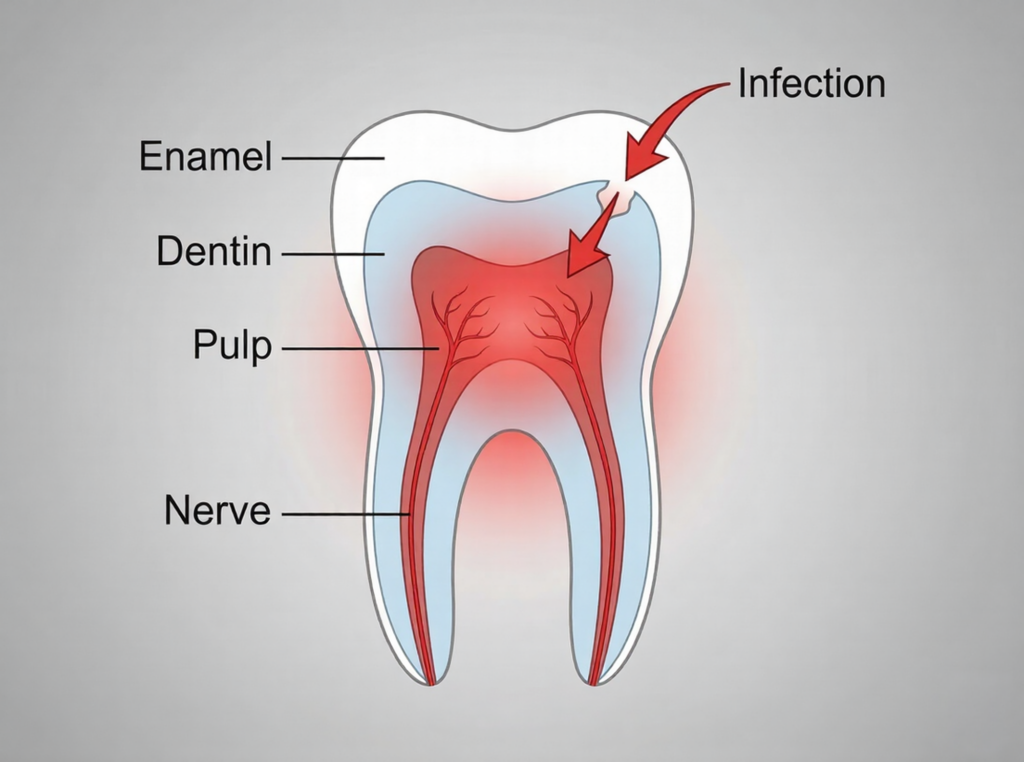
How does tooth decay affect the dental pulp?
Dentin is the porous layer resting immediately beneath the hard protective enamel shell. When decay breaches the enamel, bacteria rapidly travel through the microscopic tubules within the dentin to reach the vulnerable pulp.
When harmful bacteria penetrate these underlying layers, the internal pulp becomes compromised and infected. Removing this diseased tissue stops the bacterial infection from spreading further down into the surrounding bone structures of the jaw. This process successfully saves the natural tooth from needing a complete physical extraction.
Dental Conditions Requiring Root Canal Treatment
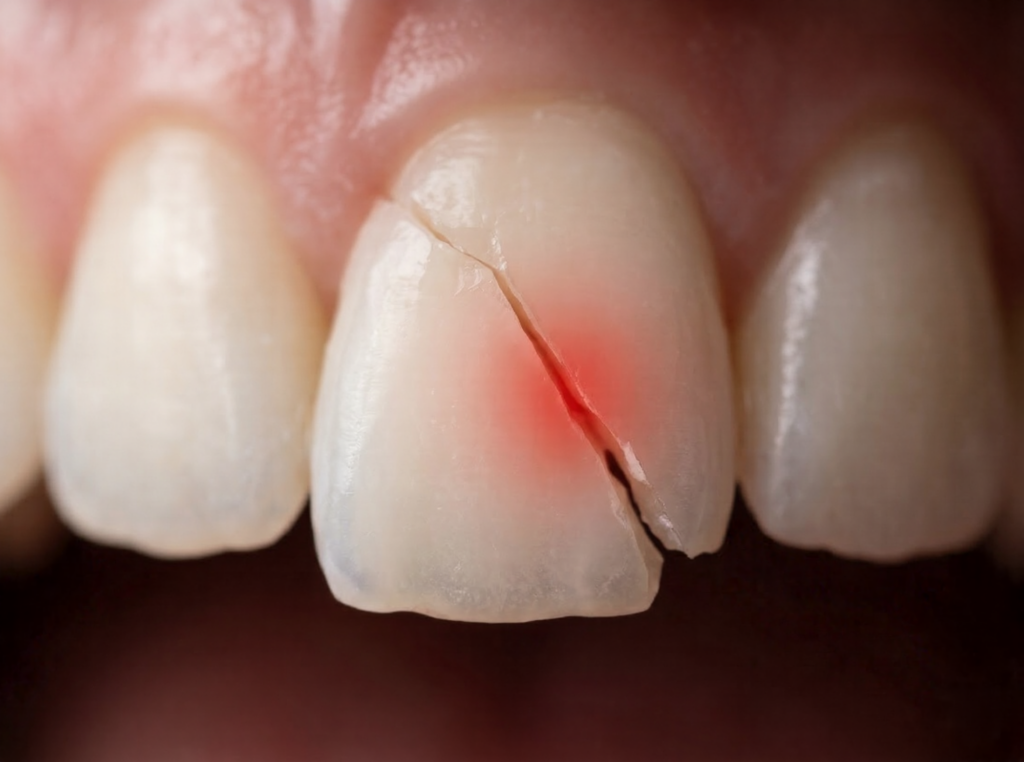
Various clinical scenarios necessitate endodontic intervention to preserve oral health. Recognizing these warning signs promptly can help manage root canal pain before the internal infection becomes overly severe. Different types of trauma and decay impact the dental pulp in specific ways.
The following table outlines common dental problems that require this specific treatment:
| Dental Condition | Clinical Description | Common Symptoms |
| Deep Dental Decay | Bacterial cavities that penetrate entirely through the protective enamel and dentin layers directly into the pulp chamber. | Severe localized throbbing when chewing food or applying pressure to the tooth. |
| Physical Tooth Trauma | An external physical injury causing a deep crack or structural chip that exposes the sensitive dental pulp to the oral environment. | Heightened and lingering sensitivity to hot or cold temperatures. |
| Repeated Dental Procedures | Multiple fillings or frequent structural adjustments on the exact same tooth causing severe stress to the internal pulp. | Dull aching or spontaneous discomfort occurring without any obvious trigger. |
| Dental Abscess Formation | A localized and painful collection of pus forming at the very tip of the tooth root caused by an active bacterial infection. | Noticeable swelling of the surrounding gum tissue or visible swelling in the facial region. |
>>> Read more: https://www.nhs.uk/tests-and-treatments/root-canal-treatment/

Are Root Canals Painful?
A pervasive myth in popular culture suggests that root canals cause immense suffering. The clinical truth is entirely the opposite. The treatment exists to relieve the severe root canal pain generated by the infected tooth itself.
Modern local anesthetics are highly effective and numb the entire surrounding area thoroughly. Dentists ensure the tooth and the surrounding gum tissue are completely unresponsive to pain before beginning any work. What does a root canal feel like during the actual dental visit? Most patients compare the physical sensation to receiving a standard dental filling for a cavity. You will likely feel physical pressure and slight vibration from the various dental instruments. You will absolutely not feel sharp or active pain during the removal of the diseased tissue.
Is the Nerve Extraction Process Painful?
The basic concept of extracting a nerve sounds intimidating to many individuals. The local anesthesia administered by your dental professional actively blocks all pain receptors in the affected oral region. Once the numbing medication takes full effect, the nerve tissue inside the tooth is completely desensitized.
The dentist utilizes highly precise micro-instruments to clean out the pulp chamber and the narrow root canals. Because the anatomical area is heavily anesthetized, pulling out the infected nerve fibers does not generate a painful physical response. The physical relief from the pre-existing bacterial infection is often immediate once the internal pressure is safely released from inside the tooth.

Root Canal Recovery Pain Management
Experiencing mild sensitivity after the local anesthesia wears off is a completely normal physical reaction. The biological tissues surrounding the tooth roots often become slightly inflamed during the clinical procedure. Proper root canal recovery pain management relies on a few logical steps at home:
- Take Medication:
Use over-the-counter pain relievers like ibuprofen or acetaminophen to manage postoperative discomfort. Take prescribed antibiotics if provided by your dentist.
- Apply Cold Compresses:
Hold an ice pack to the outside of your face to quickly reduce minor tissue swelling.
- Adjust Your Diet:
Completely avoid chewing hard or crunchy foods on the treated tooth until the dentist places your permanent crown.
- Soothe Your Gums:
Rinse your mouth gently with warm salt water to calm the irritated soft tissues.
- Maintain Oral Hygiene:
Continue brushing and flossing daily to keep the oral environment clean. Be very gentle around the newly treated tooth.
Most localized tenderness resolves within a few days. Patients must contact their dental office immediately for a clinical evaluation if severe throbbing or swelling returns.
>>> Read more: https://milesoflittlesmiles.com/will-my-child-be-in-pain-after-pulpotomy/
Schedule Your Endodontic Consultation Today
Taking care of a physically damaged tooth promptly prevents further medical complications. If your child is actively experiencing persistent dental discomfort or unusual facial swelling, seeking professional dental care is the absolute best course of action. Delaying treatment often allows the infection to spread further into the jawbone and surrounding tissues.
The dedicated team at Miles of Little Smiles focuses on providing comfortable and highly compassionate dental treatments for every single patient. The clinical staff uses modern dental techniques to ensure your child’s visit is as relaxing and painless as possible. Do not let unfounded fear delay your child’s personal journey back to a healthy mouth. Contact Miles of Little Smiles today at 914-350-3496 to easily schedule your next appointment and successfully restore your oral health with total confidence.
