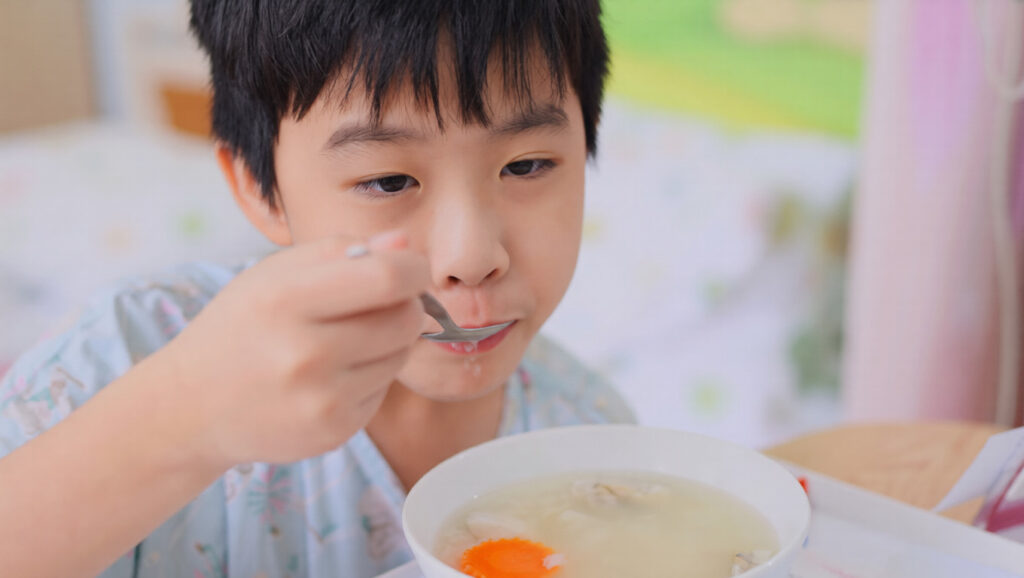
Seeing your child undergo a dental procedure can make any parent anxious. Once the treatment concludes, a common question arises regarding what your child can safely consume. At Miles of Little Smiles, we prioritize your child’s dental health and aim to make the recovery process as painless as possible. Knowing what to eat after a root canal protects the treated tooth and prevents unnecessary discomfort.

When Can Your Child Eat After a Root Canal?
Immediately after the procedure, your child’s mouth will remain numb from the local anesthesia. Parents must wait until this numbness completely fades before allowing the child to consume anything requiring chewing. This fading process usually takes about two to three hours. Eating while the mouth remains numb poses a severe risk. Children might accidentally bite the inside of their cheeks, their lips, or their tongue. This causes significant tissue injury without the child feeling it at the moment. Offer only plain water during this initial window.
- First 24 to 72 hours:
Stick strictly to liquid or extremely soft meals. Your child’s tooth and gums are highly sensitive. Dental materials need time to harden, and chewing too early can cause pain or dislodge a temporary filling.
- Days three to five:
As sensitivity naturally fades, you can introduce more solid but still soft foods. Instruct your child to chew entirely on the opposite side of their mouth to protect the recovering tooth.
- Days five to seven:
Most children feel completely normal by this point. If there is no lingering pain, they can gradually return to their regular diet. They must still avoid hard or sticky foods that could damage the new dental restoration.
>>> Read more: https://vinmecviewdental.vn/en/how-hard-food-harms-teeth/

Factors Affecting Recovery Time After a Root Canal
Every child experiences a slightly different recovery timeline. Several biological and clinical variables influence how quickly a treated tooth heals. Understanding these variables helps parents set realistic expectations for the healing phase.
- Number of root canals in the tooth:
Front teeth typically have a single root and recover quickly. Back molars contain multiple roots and curving canal systems. Treating these complex molars involves more tissue, naturally resulting in a slightly longer recovery period for your child.
- Severity of pulp damage:
A tooth treated early in the decay process heals very quickly. If the dental pulp is severely infected, the surrounding jawbone and gums likely suffer from deep inflammation. Your child’s body needs extra time to clear this inflammation, even after the dentist removes the infected tissue.
- Clinical technique:
The precision of your pediatric dentist directly impacts the speed of recovery. Gentle and accurate cleaning of the narrow canals minimizes post-operative swelling. This careful handling of the surrounding oral tissues allows your child to return to normal eating habits much sooner.
- Type of dental restoration:
Removing infected tissue leaves the tooth structurally weaker. Dentists protect the remaining structure using a composite resin filling or a dental crown. The chosen restoration directly affects immediate chewing capability. A stainless steel crown offers heavy-duty protection and helps the pediatric tooth stabilize rapidly.
>>> Read more: https://milesoflittlesmiles.com/pulpotomies/
Dietary Guidelines After a Root Canal
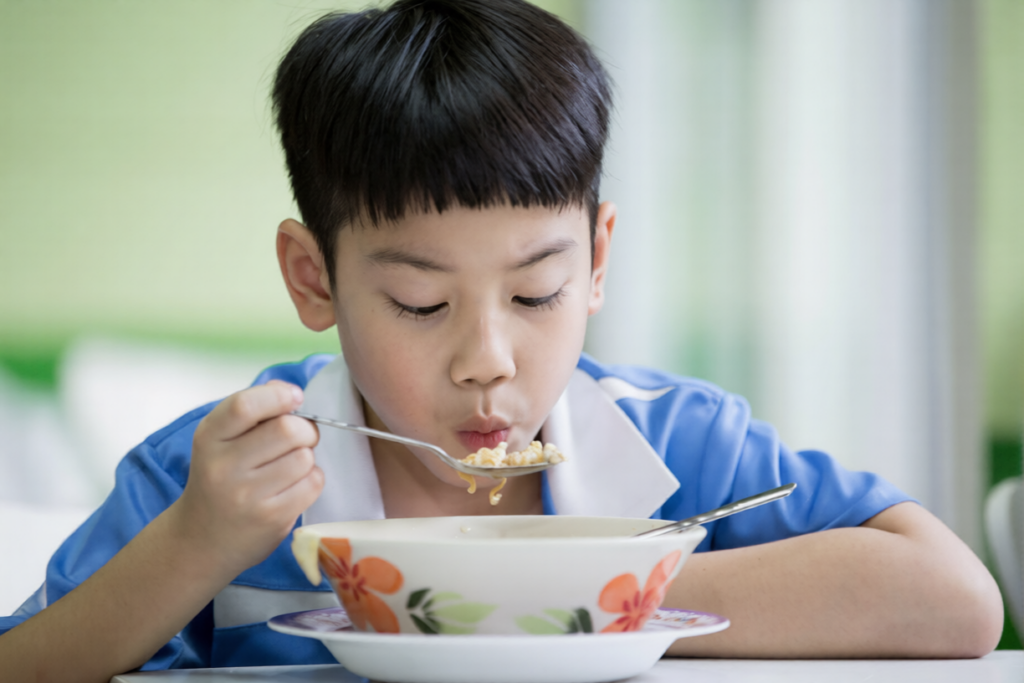
Proper nutrition speeds up healing while protecting the vulnerable tooth. Providing the right meals helps prevent complications such as dislodged fillings or renewed pain. Below is a detailed guide outlining the best food to eat after a root canal and what items parents should strictly avoid giving their children.
| Recommended Food Categories | Foods to Strictly Avoid |
| Soft and easy-to-swallow items like smooth soups, mashed potatoes, and well-cooked pasta. | Hard and crunchy items like raw nuts, sunflower seeds, popcorn kernels, and hard candies. |
| Dairy products including plain yogurt, soft cheeses, and lukewarm milk. | Sticky and chewy items like caramel squares, chewing gum, and gummy bears. |
| Soft fruits like unsweetened applesauce, mashed bananas, and blended fruit smoothies. | Highly acidic items like raw citrus fruits, tomato sauce, and vinegar-based salad dressings. |
| High-protein soft foods like gently scrambled eggs and flaky baked white fish. | Extremely hot or freezing cold beverages, ice cubes, and steaming hot soups. |
>>> Read more: https://www.bbc.co.uk/food/articles/teeth_and_diet
Why We Recommend These Foods?
Soft items require minimal chewing effort from the jaw muscles. This heavily reduces the mechanical stress placed on the treated tooth and the surrounding periodontal ligaments. Dairy products provide excellent sources of natural calcium and protein, supporting general oral health and tissue repair. Keeping daily sugar levels low prevents new bacterial colonies from forming around the healing gum tissue. Proper hydration through water and thin soups also keeps the mouth clean and washes away microscopic food particles.
Suggested Menu After a Root Canal
Planning meals ahead of time removes the stress from the immediate recovery process. Here is a highly practical menu detailing exactly what your child should eat after a root canal, based on the specific day of recovery.
First 24 hours:
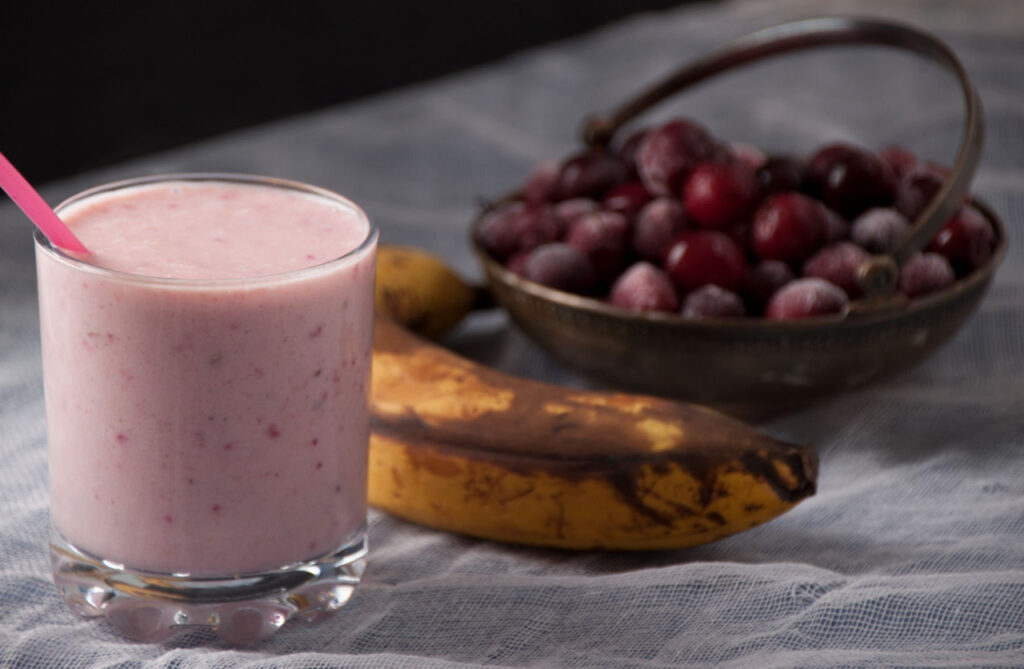
- Breakfast: A lukewarm fruit smoothie made with ripe bananas and whole milk. Do not use a plastic or paper straw. Sucking through a straw creates negative pressure in the mouth that can disturb the healing site and cause bleeding.
- Lunch: Lukewarm, smooth vegetable broth or soup without any large chunks of meat or vegetables.
- Dinner: Mashed sweet potatoes mixed with butter and a small portion of plain yogurt.
Days two and three:
- Breakfast: Softly scrambled eggs and a side bowl of smooth applesauce.
- Lunch: Macaroni and cheese cooked until the pasta is extremely soft and easy to swallow whole.
- Dinner: Flaky white fish with a side of well-cooked, mushy carrots or peas.
Days four to seven:
- Breakfast: Warm oatmeal made with milk and mashed soft berries.
- Lunch: A soft bread sandwich with the crusts entirely removed.
- Dinner: Softly cooked shredded chicken breast with standard steamed vegetables.
Following this structured menu ensures your child receives adequate nutrition without risking physical damage to their newly treated tooth. Always verify the physical temperature of the food before serving to prevent thermal shock to the sensitive oral tissues.
Oral Care Tips After a Root Canal
Once the infected pulp is removed, the tooth loses its internal nerve endings. This means the treated tooth will not feel internal pain from a new cavity in the future. Parents must implement a strict daily hygiene routine to prevent silent decay and protect the long-term investment made in their child’s dental health.
- Maintain proper brushing habits:
Brush twice daily using a soft-bristled toothbrush and fluoride toothpaste. Use gentle circular motions around the treated area to avoid damaging the new restoration. Replace frayed toothbrushes immediately to prevent bacterial buildup.
- Gentle flossing techniques:
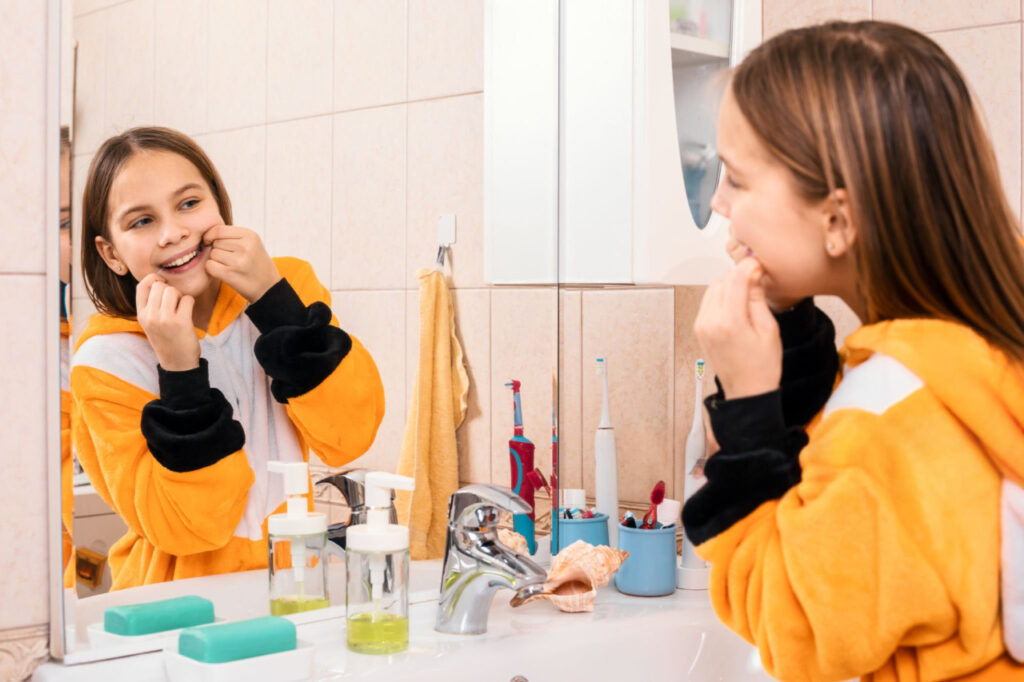
Floss daily to remove trapped food. Pull the floss horizontally out through the side instead of snapping it upward. This prevents dislodging a temporary filling or pediatric crown. Never use splintering wooden toothpicks.
- Warm saltwater rinses:
Starting the day after treatment, have your child gently swish warm saltwater for thirty seconds. This acts as a mild natural antiseptic to reduce gum inflammation and wash away lingering debris.
- Eliminate harmful oral habits:
Prevent your child from biting fingernails, chewing pencils, or crunching ice. These actions can easily fracture a healing tooth. Ask your pediatric dentist about a custom night guard if your child grinds their teeth.
- Monitor the healing process:
Mild swelling is normal. However, severe pain requires immediate attention. Watch the gums for redness, pimple-like bumps, or drainage. Foul breath could indicate a secondary infection that needs professional care.
>>> Read more: https://www.onlymyhealth.com/how-nail-biting-impacts-your-teeth-1670571641
Schedule Your Child’s Next Dental Visit Today
Proper follow-up care guarantees the long-term success of any pediatric dental treatment. Regular dental checkups every six months allow our professional team to monitor the treated tooth and observe the overall development of your child’s growing smile. Catching small problems early prevents the need for major procedures later down the road.
If you notice any unusual swelling, lingering pain, or a loose dental crown, do not wait for the next scheduled appointment. Please contact our dedicated pediatric dental team right away. Contact M
