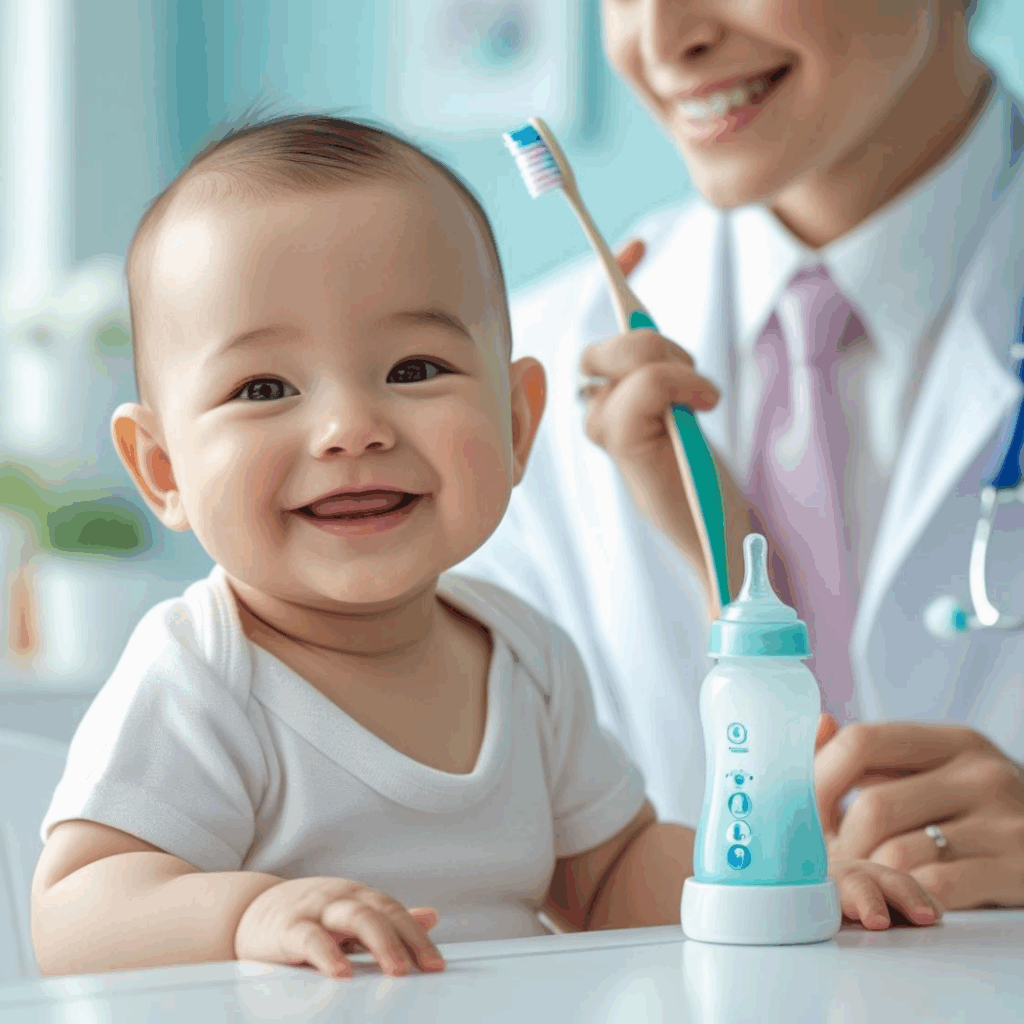
Does your baby fall asleep with a bottle in their mouth? It could be doing more harm than you think.
Baby bottle tooth decay is a common but preventable condition that can have lasting effects on your child’s oral health.
This blog will walk you through what baby bottle tooth decay is, why it happens, early warning signs, expert-backed prevention tips, and treatment options to protect your child’s developing smile.
What Is Baby Bottle Tooth Decay?
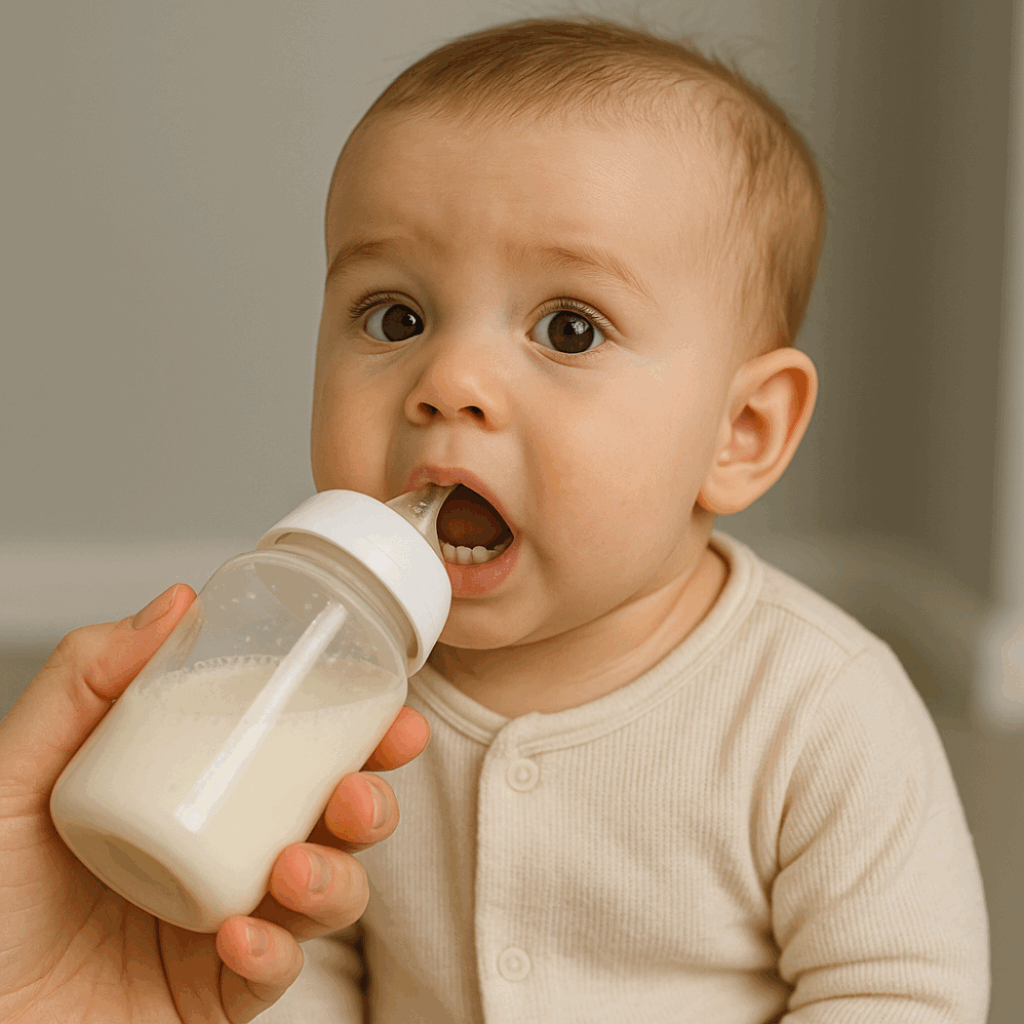
Baby bottle tooth decay, also known as early childhood caries or nursing bottle syndrome, refers to tooth damage that occurs in infants and toddlers—typically caused by prolonged exposure to sugary liquids in bottles.
These liquids include:
- Milk
- Formula
- Juice
- Sweetened water
Sugars from these drinks feed bacteria in the mouth, which produce acid that gradually wears down the enamel, causing cavities even before the baby’s permanent teeth come in.
Causes of Early Childhood Caries

Understanding the root causes of early childhood caries helps prevent the condition before it starts.
1. Bedtime Bottles
Allowing babies to fall asleep with a bottle often means the liquid pools in the mouth, creating the perfect environment for decay.
2. Frequent Snacking or Sipping
Even healthy snacks like fruits or dairy can contribute to acid build-up if consumed too often without proper cleaning.
3. Poor Oral Hygiene
Many parents underestimate the importance of oral care before teeth erupt. Bacteria can still accumulate on the gums.
4. Lack of Fluoride
Children not exposed to fluoride—either through water or toothpaste—are more prone to decay.
Signs and Symptoms of Infant Tooth Damage
It’s important to catch baby bottle tooth decay early to prevent more serious issues.
Common Symptoms
- White spots near the gum line (early demineralization)
- Brown or black spots on teeth
- Pain or sensitivity to hot or cold foods
- Bad breath
- Fussiness, especially while eating
If your child displays any of these signs, consult a pediatric dentist immediately.
How to Prevent Baby Bottle Tooth Decay
Prevention is not only possible—it’s easy with the right daily habits.
1. Avoid Bottles at Bedtime
Substitute a bottle with a pacifier or warm water. Clean the gums gently after nighttime feeding.
2. Brush Baby Teeth Daily
As soon as the first tooth appears, brush with a baby toothbrush and a rice-sized smear of fluoride toothpaste.
3. Offer Only Water in Bottles Between Meals
Cutting back on sugary drinks during naps or playtime helps reduce cavity risks.
4. Use Fluoridated Water
Most municipalities in the U.S. provide fluoridated water, which can be safely used in formula and for brushing.
5. Schedule Your Child’s First Dental Visit by Age One
An early visit helps build healthy habits and catch concerns before they worsen.
Treatment Options for Baby Teeth Cavities
If decay has already set in, early treatment is crucial.
Options May Include
- Fluoride treatments: Help remineralize early-stage cavities
- Dental fillings: Used for more advanced decay
- Crowns: Applied when structure loss is severe
Ignoring baby teeth decay can lead to abscesses, pain, and misaligned permanent teeth.
Conclusion
Baby bottle tooth decay may seem harmless at first glance, but its long-term effects can compromise your child’s health and confidence. With the right habits, awareness, and professional support, this condition is 100% preventable.
Start early, stay consistent, and don’t hesitate to reach out to a pediatric dental expert.
FAQs About Baby Bottle Tooth Decay
What causes baby bottle tooth decay?
Sugars in milk, formula, or juice feed bacteria that produce acid, which leads to decay when left in the mouth too long.
Is baby bottle tooth decay reversible?
Early stages can be reversed with fluoride and proper oral care, but advanced decay needs dental treatment.
When should I stop giving my child a bedtime bottle?
Ideally by 12–18 months. Substitute with a pacifier or water and clean your child’s gums after feeding.
Are cavities in baby teeth a big deal?
Yes. Decay in baby teeth can lead to infections, speech issues, and problems with permanent teeth alignment.
How do I clean my baby’s mouth before teeth erupt?
Use a clean, damp cloth to gently wipe the gums after each feeding.
