
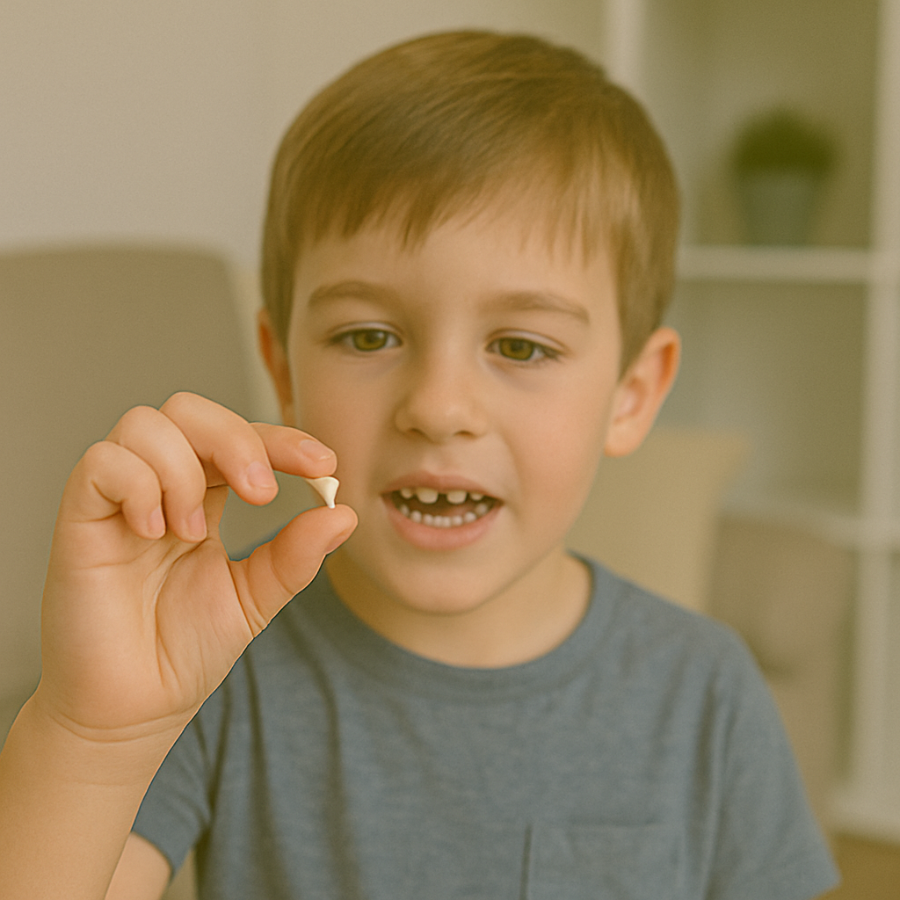
Baby teeth coming out early may seem harmless, but premature tooth loss can affect speech, eating, and permanent tooth alignment.
This blog will walk you through what causes early tooth loss in children, how to identify warning signs, what steps to take next, and how to ensure your child’s dental development stays on track.
What Is Considered Early Tooth Loss in Children?

Typically, children begin losing their primary (baby) teeth around age 6, starting with the lower front teeth. If a baby tooth falls out significantly earlier than expected—especially due to injury or decay—it may disrupt the natural pediatric tooth timeline.
When to be concerned
- Baby teeth lost before age 4
- Loss due to trauma or untreated cavities
- Permanent teeth erupting out of sequence
This type of tooth eruption issue can create misalignment or spacing problems that impact your child’s bite, speech, and self-confidence.
Top Causes of Baby Teeth Coming Out Early
1. Tooth Decay (Cavities)
Untreated cavities in children can lead to infection, abscess, and eventual loss of the affected baby tooth.
Signs to watch for
- Sensitivity to hot, cold, or sweets
- Visible holes or dark spots
- Complaints of pain during chewing
2. Dental Trauma or Accidents
Falls, sports injuries, or even biting into hard objects can loosen or knock out a baby tooth prematurely.
What to do
- Rinse the mouth gently with water
- Apply cold compress to reduce swelling
- Preserve the tooth if it’s dislodged and call your pediatric dentist
Accidental early loss doesn’t always require intervention, but professional evaluation is essential to prevent long-term alignment issues.
3. Gum Disease or Infections
While less common in children, untreated gingivitis or gum infections can weaken the tooth’s supporting structure, leading to early loss.
Symptoms include
- Red, swollen, or bleeding gums
- Persistent bad breath
- Gum recession or pus near a tooth
4. Genetic Conditions or Developmental Issues
Certain rare genetic disorders (like hypophosphatasia or ectodermal dysplasia) can cause weak tooth roots or delayed/early shedding of baby teeth.
If multiple baby teeth fall out early without trauma or decay, your dentist may refer you to a pediatric specialist for further assessment.
5. Poor Oral Hygiene Habits
Inconsistent brushing, sugary diets, and lack of flossing can all accelerate decay and inflammation, setting the stage for early tooth loss.
Prevention tips
- Brush twice daily with fluoride toothpaste
- Floss once daily with child-safe flossers
- Limit juice and sticky snacks
Why Baby Teeth Matter (Even Though They’re Temporary)
It’s easy to assume baby teeth aren’t important because they’ll “fall out anyway” — but they serve crucial roles:
- Preserving space for permanent teeth
- Aiding in speech development
- Supporting jaw growth and alignment
- Enabling proper chewing and digestion
Premature loss can lead to
- Crowded or crooked permanent teeth
- Need for orthodontic treatment
- Difficulty pronouncing words
- Emotional discomfort or teasing
What Happens After Early Tooth Loss?
When baby teeth come out too early, dentists may recommend a space maintainer to keep the area open for the future permanent tooth.
What is a space maintainer?
A small, custom-fitted device that prevents nearby teeth from shifting into the gap.
Without it, your child may experience
- Delayed eruption of adult teeth
- Tooth crowding
- Bite misalignment (malocclusion)
Should Parents Worry About Premature Tooth Loss?
Not always. If tooth loss occurs within a normal range and permanent teeth are developing correctly, there may be no need for concern.
But see your pediatric dentist if
- The tooth fell out from injury or decay
- Your child is under 4
- Other baby teeth appear loose
- There’s pain, bleeding, or swelling
Speak with a pediatric dentist in White Plains if you’re unsure whether your child’s early tooth loss is normal.
Supporting Your Child Through Early Tooth Loss
If your child loses a tooth unexpectedly:
Here’s what to do next
- Offer reassurance; it’s common and manageable
- Keep the area clean and avoid hard foods
- Use a child-safe oral rinse if recommended
- Encourage brushing twice a day
- Book a dental appointment for evaluation
How to Prevent Baby Teeth Coming Out Early
- Keep regular dental checkups every 6 months
- Practice strong oral hygiene at home
- Wear mouthguards for sports
- Treat cavities early and follow dentist recommendations
Prevention is always better than correction when it comes to permanent teeth development.
Conclusion
While baby teeth are temporary, the effects of losing them too early can last a lifetime. Understanding the causes, recognizing early signs, and working with a trusted pediatric dentist can help your child stay on track with their tooth eruption timeline.
Don’t wait until it becomes a bigger problem. If your child loses a tooth before their time, schedule an evaluation and take proactive steps to protect their smile.
FAQs About Early Tooth Loss in Children
What causes early tooth loss in children?
The most common causes include tooth decay, trauma, gum disease, or developmental issues.
Is it normal for baby teeth to fall out at age 4?
No, most children start losing teeth around age 6. Teeth falling out at age 4 may signal early tooth loss.
Can early tooth loss affect permanent teeth?
Yes, it can cause crowding, misalignment, or delay in the eruption of adult teeth.
What should parents do when baby teeth fall out too early?
Visit a pediatric dentist to assess the cause and determine if a space maintainer is needed.
Are space maintainers necessary after early tooth loss?
In many cases, yes. They help prevent other teeth from shifting into the gap.
