Many parents wonder, “Does my child need sedation for dental treatment?” The answer depends on several clinical and behavioral factors that pediatric dentists evaluate before recommending any level of comfort support. At Miles of Little Smiles, every recommendation begins with a single principle: use the lowest effective level of sedation that allows treatment to be completed safely and thoroughly.
The Goal of Minimal Sedation: Achieving Safe and Complete Care With the Lowest Level of Support
Pediatric dentists are trained to match the level of sedation to what each child actually needs. The goal is never to sedate more than necessary. Instead, providers assess the child’s age, temperament, medical history, and the complexity of the procedure to determine the most appropriate approach.
This decision follows a tiered framework:
| Level of Support | What It Involves | Best Suited For |
| No sedation | Behavioral guidance, distraction, tell-show-do techniques | Cooperative children with minor treatment needs |
| Nitrous oxide (laughing gas) | Mild inhaled sedation that reduces anxiety while the child stays awake | Mildly anxious children or those needing short procedures |
| Oral conscious sedation | Medication taken by mouth to produce moderate relaxation | Children with moderate anxiety or longer procedures |
| General anesthesia | Full unconscious sedation administered by an anesthesiologist | Very young children, extensive treatment, or severe behavioral challenges |
The right choice is always the one that protects the child’s physical safety and emotional well-being while allowing the dentist to deliver complete, quality care.
>>> Read more: https://www.healthychildren.org/English/healthy-living/oral-health/Pages/Anesthesia-or-Sedation-for-Your-Childs-Dental-Work.aspx
When a Child May Not Require Sedation at All
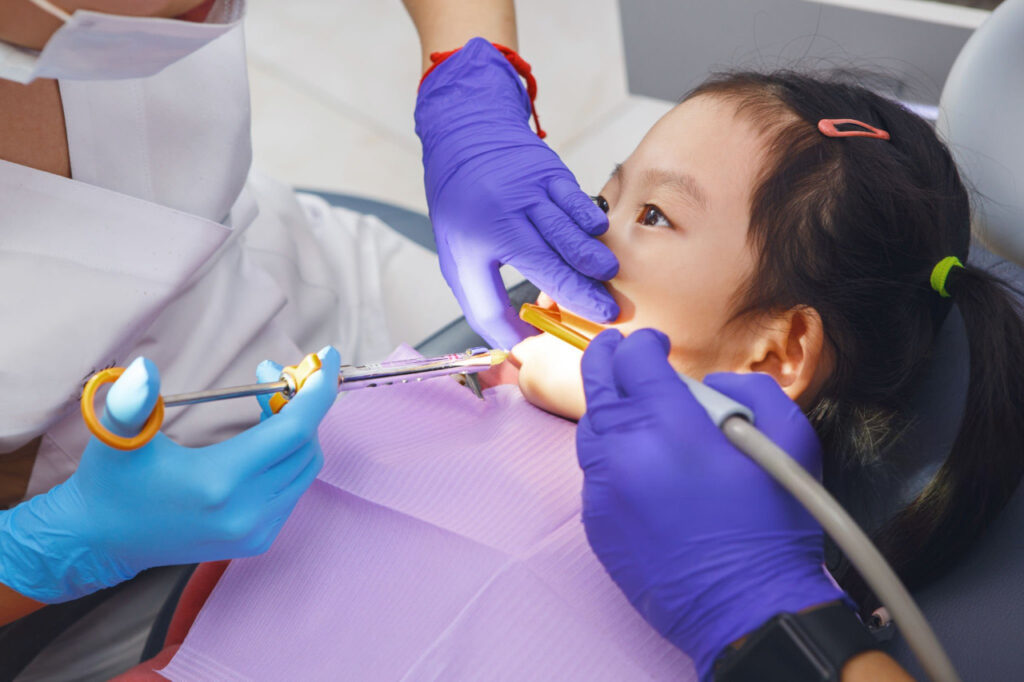
Not every child who sits in the dental chair needs sedation. Many children respond well to non-pharmacological techniques such as positive reinforcement, counting games, or watching a favorite show during treatment.
A child may not need sedation if they:
- Are old enough to follow simple verbal instructions
- Have had positive past dental experiences
- Need only a short or minimally invasive procedure
- Show willingness to open their mouth and sit still during an exam
Pediatric dentists at Miles of Little Smiles often begin with these behavioral strategies and only move to sedation options for kids’ dental work when those methods are not enough to keep the child comfortable and safe.
When Nitrous Oxide (Laughing Gas) Is Sufficient for Treatment
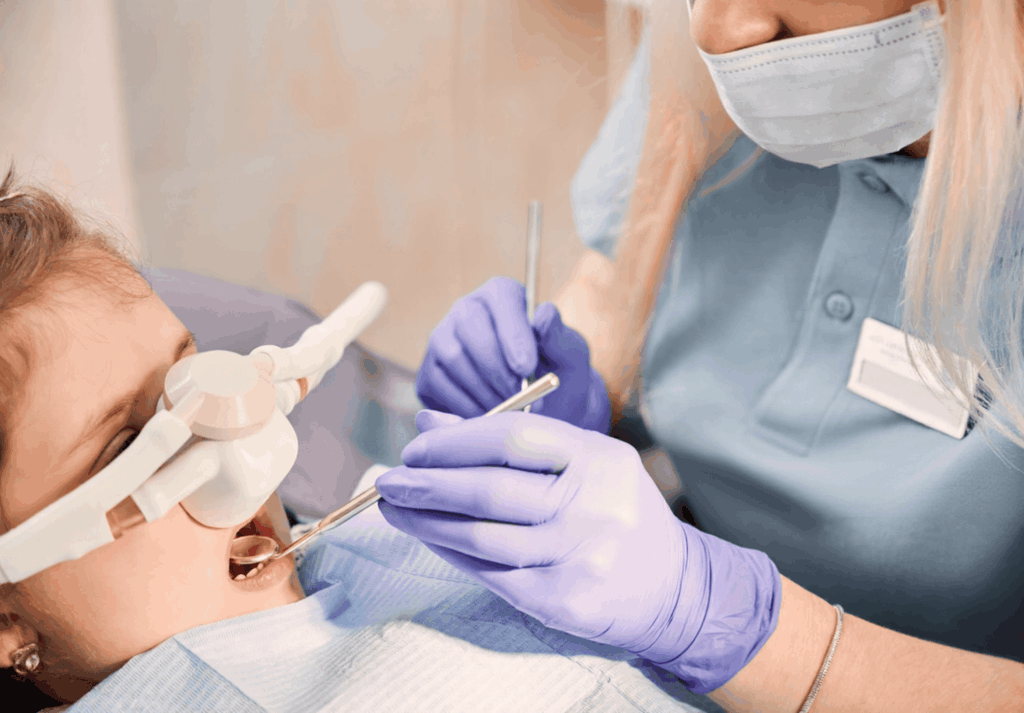
Laughing gas for kids dentist visits is one of the most common and well-studied forms of mild sedation in pediatric dentistry. Nitrous oxide is inhaled through a small mask placed over the nose. It takes effect within minutes and wears off almost immediately after removal.
This option works well when a child:
- Feels nervous but can still cooperate with guidance
- Needs a filling, crown, or extraction that will take a moderate amount of time
- Has a sensitive gag reflex that may interfere with treatment
- Benefits from a calming effect but does not require deep sedation
Parents often ask, “Does my child need laughing gas?” The answer depends on how the child responds to the dental environment. If mild anxiety is the main barrier to cooperation, nitrous oxide is often enough to make the visit manageable without the risks associated with deeper sedation.
>>> Read more: https://milesoflittlesmiles.com/sedation-dentistry/
Factors That Necessitate Deeper Sedation or General Anesthesia
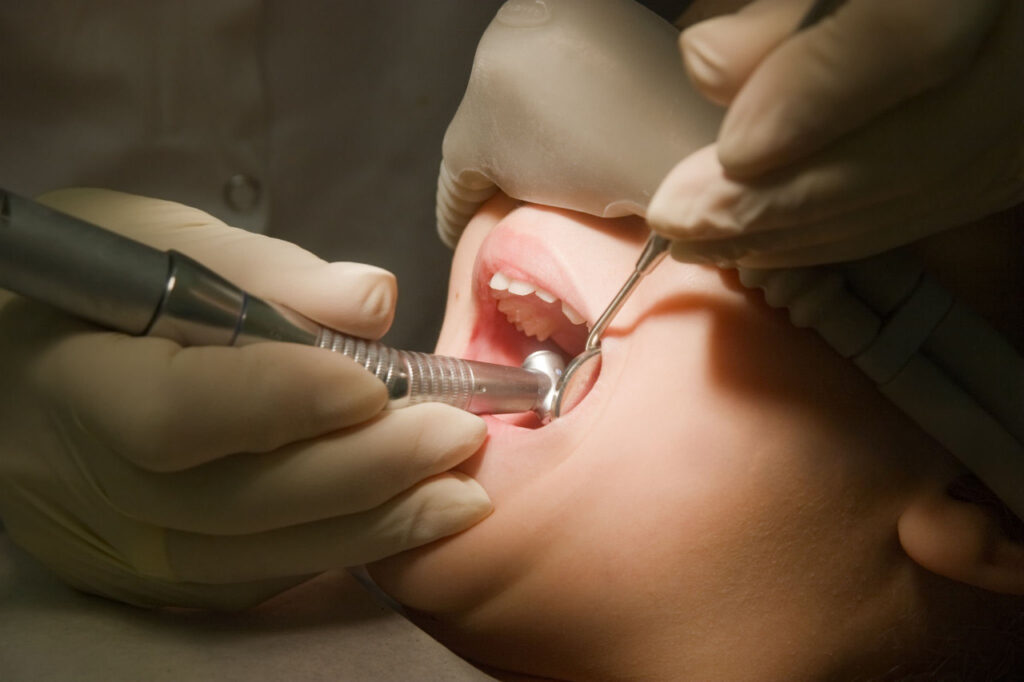
Some clinical situations require oral sedation or general anesthesia pediatric dentist services. These decisions are not made lightly and typically involve one or more of the following factors:
- Age
Children under three often lack the developmental ability to cooperate, even with behavioral support.
- Extent of treatment
Multiple teeth requiring restoration in a single visit may exceed a child’s ability to remain still.
- Medical or developmental conditions
Children with sensory processing differences, autism spectrum disorder, or certain neurological conditions may be unable to tolerate the sounds, lights, or physical sensations of dental work.
- History of dental trauma
A child who has had a painful or frightening dental experience in the past may have a level of fear that behavioral techniques alone cannot address.
- Safety concerns
Movement during procedures involving sharp instruments or drills can pose a real risk of injury.
In these cases, a general anesthesia pediatric dentist setting with proper monitoring equipment and trained personnel becomes the safest path to completing treatment.
Individualized Care: Why Similar Cavity Counts Lead to Different Recommendations
Two children may each have four cavities, yet one receives treatment with laughing gas while the other requires general anesthesia. This often confuses parents, but the difference comes down to the child, not the cavities.
Factors that influence the recommendation include:
- The child’s age and developmental stage
- Their ability to sit still and breathe through a nasal mask
- The location and depth of the cavities
- Whether the child has special healthcare needs
- Previous responses to dental treatment
An anxious child dentist sedation plan is always built around the individual. At Miles of Little Smiles, this means no two treatment plans look the same, even when the diagnoses do.
>>> Read more: https://www.healthychildren.org/English/healthy-living/oral-health/Pages/Anesthesia-or-Sedation-for-Your-Childs-Dental-Work.aspx
Essential Safety Questions Parents Should Ask Before Consenting to Sedation
Before agreeing to any sedation plan, parents should feel confident in the answers to these questions:
- What specific level of sedation is being recommended, and why?
- What are the risks and side effects of this sedation method?
- Who will administer the sedation, and what are their credentials?
- What monitoring equipment will be used during the procedure?
- What emergency protocols are in place if the child has an adverse reaction?
- Is fasting required before the appointment, and for how long?
- What should recovery look like, and when should I call the office with concerns?
A well-prepared parent is a child’s best advocate. These questions help confirm that the recommendation is grounded in clinical evidence and patient-specific assessment.
Preparing for the Visit: Actions That Help and Factors That Worsen Anxiety
What parents do before the appointment matters. Certain actions can reduce a child’s anxiety, while others can unintentionally make it worse.
| Helpful Actions | Actions That Increase Anxiety |
| Use calm, positive language about the visit | Describe the visit using words like “pain,” “shot,” or “drill” |
| Read age-appropriate books about going to the dentist | Share your own negative dental experiences |
| Maintain a normal routine the morning of the visit | Overprepare or rehearse worst-case scenarios |
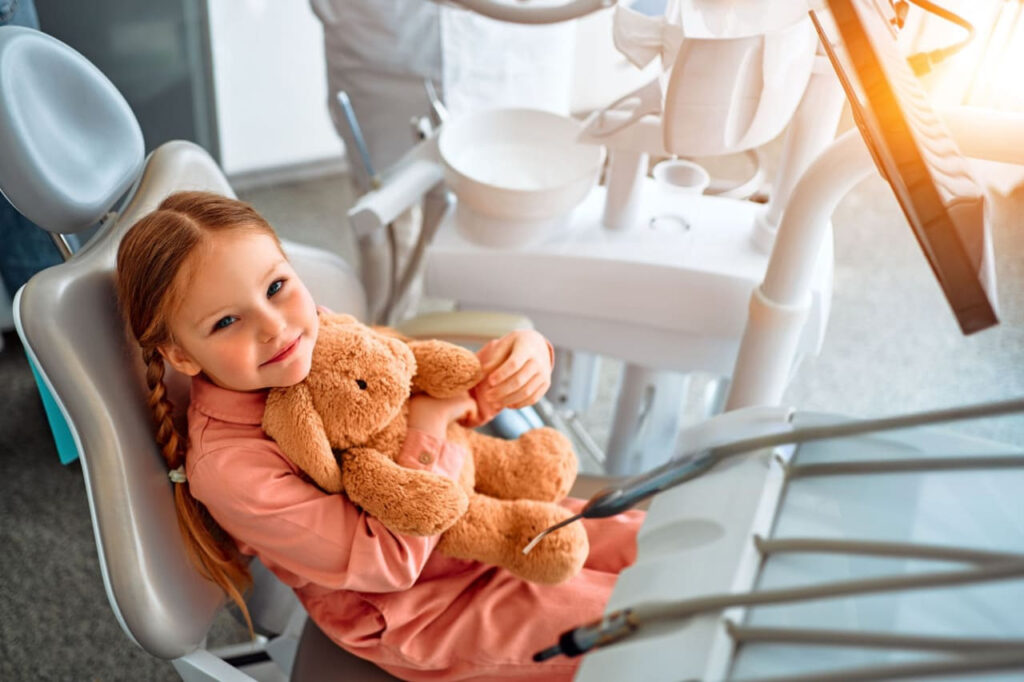
| Bring a comfort item like a stuffed animal or blanket | Promise rewards contingent on “being brave” (this implies there is something to fear) |
| Arrive a few minutes early to allow the child to adjust | Rush into the appointment after a stressful morning |
Small changes in preparation can shift a child’s experience from fearful to manageable.

Seeking Clarity: Ensuring the Treatment Plan Is Medically Sound Rather Than Convenience-Driven
Parents deserve to understand why a particular sedation level has been chosen. A credible recommendation will always be tied to specific clinical and behavioral factors, not scheduling efficiency or convenience.
If a provider cannot clearly explain why a deeper level of sedation is necessary over a lighter one, parents should feel empowered to ask for a second opinion. Sedation dentistry for children should always prioritize the child’s safety and comfort above all other considerations.
At Miles of Little Smiles, transparency is part of every conversation about treatment. Parents are welcome to ask questions, request alternatives, and take time to make informed decisions.
Schedule a Consultation for Your Child’s Comfort Plan
Every child deserves a dental experience that respects their unique needs. Whether your child benefits from simple behavioral support, laughing gas, or a more involved sedation plan, the team at Miles of Little Smiles is here to help.
If your child has anxiety, sensory sensitivities, or past treatment difficulties, share those details before the visit so the plan fits your child better. Pediatric dental care for sensory-sensitive children starts with listening to the parents who know them best.Schedule a consultation to discuss the safest comfort plan for your child’s treatment.
