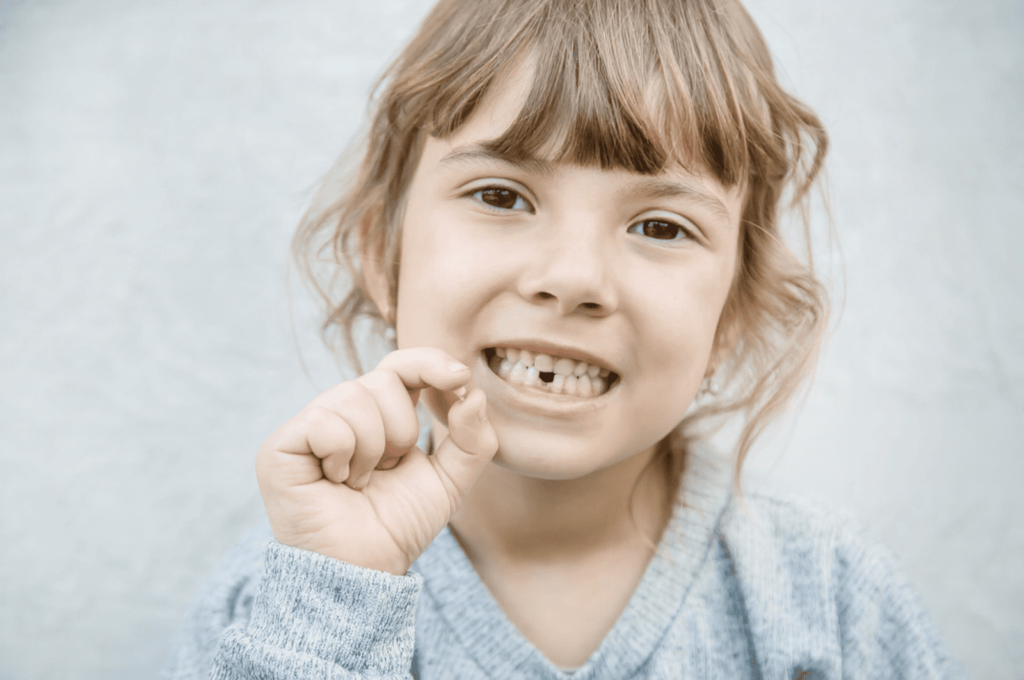
A knocked-out permanent tooth in a child is a time-critical dental emergency. The window for successful reimplantation begins closing within minutes, and the steps you take right now directly affect whether that tooth can be saved. At Miles of Little Smiles, our team guides parents through these situations every week. This article walks you through a decision-by-decision timeline so you know exactly what to do if a child knocks out a permanent tooth.
The First Decision Is Identifying Whether It Is a Baby Tooth or a Permanent Tooth
Before you touch the tooth on the ground, determine what type of tooth it is. The response protocol differs significantly between baby teeth and permanent teeth.
| Feature | Baby Tooth | Permanent Tooth |
| Size | Smaller, more rounded | Larger, wider |
| Color | Whiter, almost opaque | Slightly more yellow or off-white |
| Root appearance | Short or partially resorbed root | Longer, tapered root |
| Child’s age | Typically under 6 | Usually 6 and older |
If it is a baby tooth, do not attempt to put it back. Reimplanting a baby tooth risks damaging the developing permanent tooth underneath. Contact your pediatric dentist for follow-up, but this is not a same-minute emergency.
If it is a permanent tooth, every minute counts. Move to the next step immediately.
>>> Read more: https://milesoflittlesmiles.com/importance-of-baby-teeth/

The First 2 Minutes: Stabilize the Child Before Doing Anything Else
A child who just lost a tooth to impact is scared, likely bleeding, and possibly in pain. Before handling the tooth:
- Have the child sit upright and lean slightly forward so blood does not pool in the throat.
- Apply gentle pressure to the socket with a clean gauze pad or cloth.
- Speak calmly. Your composure directly affects the child’s ability to cooperate.
- Do not waste time looking for the tooth until the child is stable and the bleeding is under initial control.
Once the child is settled, locate the tooth. The clock on viability is running.
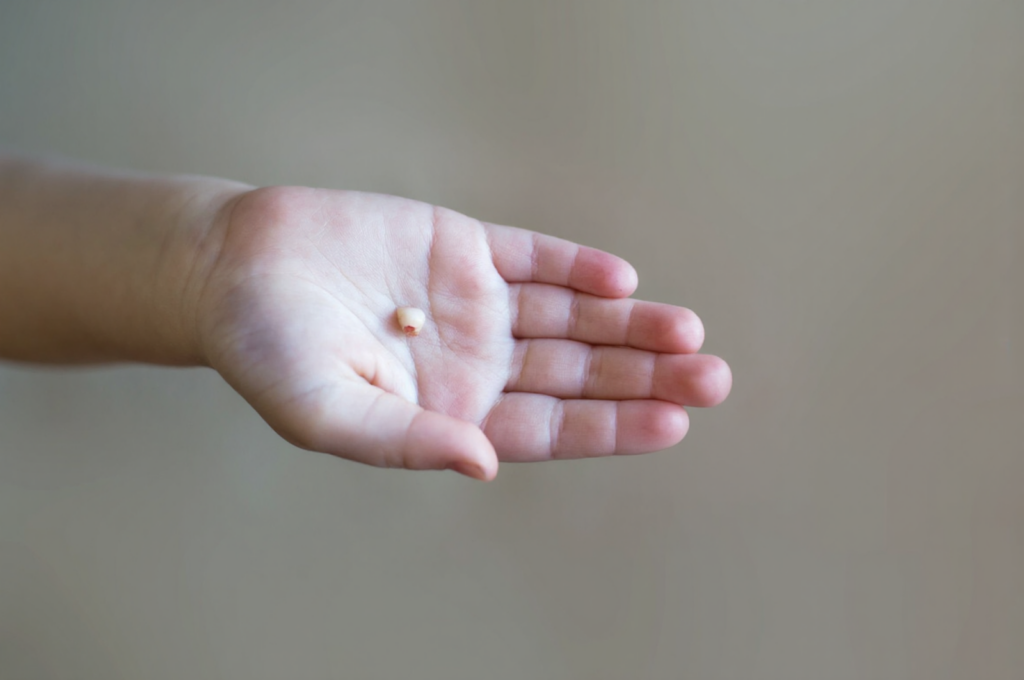
How to Handle the Tooth Without Lowering the Chance of Saving It
The root surface of an avulsed tooth is covered in periodontal ligament cells. These cells are what allow the tooth to reattach to the bone. Damaging them sharply reduces the likelihood of successful reimplantation.
Do:
- Pick the tooth up by the crown (the white part you normally see in the mouth).
- If debris is visible, rinse gently with milk or saline for no more than 10 seconds.
Do not:
- Touch the root surface with your fingers.
- Scrub, wipe, or scrape the tooth.
- Rinse with tap water for longer than a brief pass. Prolonged water exposure damages root cells through osmotic stress.
- Wrap the tooth in a dry tissue or paper towel. Drying kills the ligament cells rapidly.
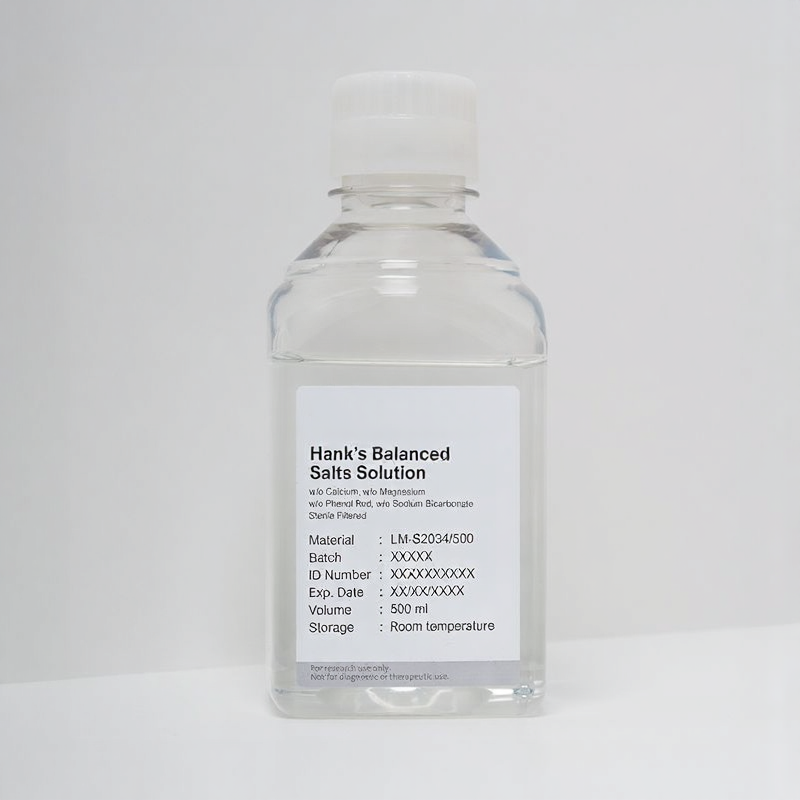
Best Ways to Keep the Tooth Viable While You Are Heading In
If you cannot reimplant the tooth immediately, storage matters. The medium you choose during transit directly affects cell survival.
| Storage Medium | Effectiveness | Availability |
| Hank’s Balanced Salt Solution (tooth preservation kit) | Best option. Maintains cell viability for up to 24 hours. | Sports first-aid kits, some school nurse offices |
| Cold whole milk | Very good. Keeps cells alive for 1 to 2 hours. | Refrigerators, convenience stores |
| Saline solution | Acceptable for short transport times under 30 minutes. | Pharmacies, contact lens supplies |
| Saliva (child’s own mouth) | Acceptable if the child is old enough not to swallow the tooth. Place it between the cheek and gum. | Always available |
| Tap water | Poor. Use only as an absolute last resort and for the shortest time possible. | Everywhere, but hypotonic to root cells |
The first 15 minutes after a child’s tooth is avulsed are the highest-priority window. If you can save a knocked-out tooth in milk and reach the office within that timeframe, the prognosis improves significantly.
When Immediate Re-placement May Be Considered for a Permanent Tooth and When Not to Attempt It
In some cases, a parent or coach can gently reinsert the tooth into the socket before transport. This gives the ligament cells their best environment.
You may attempt reinsertion if:
- You are confident it is a permanent tooth.
- The tooth and socket appear clean.
- The child is calm enough to cooperate and hold the tooth in place by biting on gauze.
Do not attempt reinsertion if:
- The child is very young, panicking, or at risk of swallowing the tooth.
- There is a visible fracture to the jawbone or surrounding teeth.
- The tooth has been dry for over 60 minutes.
- You are unsure whether it is a baby tooth or a permanent tooth.
If you do reinsert it, have the child bite gently on a folded gauze pad to hold it in position during transport.
>>> Read more: https://www.nhs.uk/conditions/knocked-out-tooth/
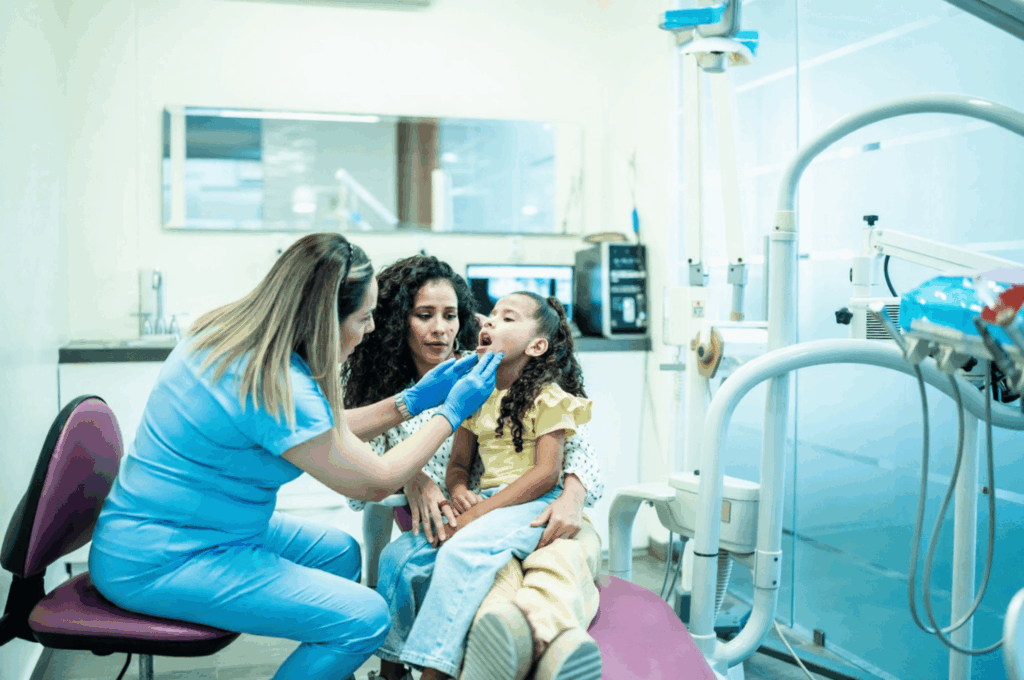
A parent is talking to a dentist because her child has a broken tooth.
What to Tell the Dental Office So Triage Happens Faster
When you call an emergency pediatric dentist, the clinical team needs specific information to prepare for your arrival. Have these details ready:
- Exactly when the tooth was knocked out (not “a little while ago” but “approximately 12 minutes ago”).
- How the tooth is currently stored (in milk, in a preservation kit, reimplanted, etc.).
- How the injury happened (fall, collision, sports impact). This helps the dentist anticipate associated injuries.
- Whether the child lost consciousness, even briefly.
- Any visible damage to surrounding teeth, gums, or lips.
This information allows the office to have materials, imaging equipment, and a treatment plan ready before you walk through the door.
>>> Read more: https://milesoflittlesmiles.com/emergency-dentistry/
What Else May Be Injured Besides the Tooth
A force strong enough to avulse a permanent tooth can cause additional injuries that may not be immediately obvious.
- Alveolar bone fracture
The socket bone itself may be cracked. The dentist will assess this with imaging.
- Adjacent tooth injuries
Neighboring teeth may be loosened, displaced, or fractured at the root level even if they look intact.
- Soft tissue lacerations
The lips, tongue, and inner cheeks often sustain cuts that may need treatment or monitoring.
- Concussion
Any blow to the face strong enough to knock out a tooth warrants evaluation for head injury, especially if the child seems confused, drowsy, or nauseous.
Your pediatric dentist will coordinate with your pediatrician or an emergency physician if a head injury is suspected.
We Are Here to Help When It Happens
If your child has lost a permanent tooth, call Miles of Little Smiles for same-day guidance. Tell the office how long ago the injury happened and how the tooth is being stored. Our emergency pediatric dentist team in White Plains is equipped to handle reimplantation cases and will walk you through every step by phone while you are on your way.
For parents of young athletes, ask us about mouthguards for kids sports at your next visit. A properly fitted mouthguard is one of the most effective ways to prevent avulsion injuries before they happen.
